Africa
Stealing Lives: The Secret Trade Of Animal Theft And Illegal Slaughterhouses In Maiduguri, by Hassana Ishaq Abubakar

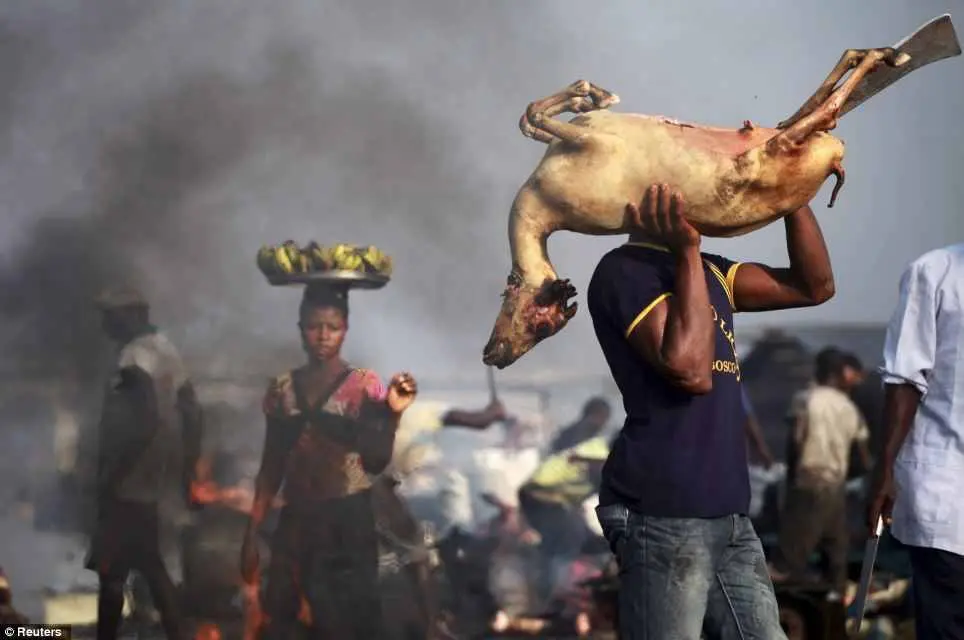
In Maiduguri, a city recovering from years of insurgency, a disturbing trend has emerged: the theft of livestock and their illegal slaughter within the city. While the perpetrators operate under a veil of secrecy, their actions are leaving a trail of despair and economic ruin in their wake.
Livestock, including cattle, goats, and sheep, is an essential part of the livelihoods of many families in Maiduguri. These animals are more than just property; they represent a source of income, food, and cultural significance. However, the growing wave of theft threatens to destabilize this critical aspect of life.
The modus operandi of these thieves is both strategic and ruthless. Operating mostly at night, they identify vulnerable targets in neighborhoods and farms. Once the animals are stolen, they are transported to hidden slaughterhouses scattered across the city.
In these makeshift abattoirs, the animals are butchered and prepared for sale. The meat is then distributed to local markets, often mixed with legally sourced meat to avoid detection. This practice makes it nearly impossible for consumers to know whether the meat they purchase is legitimate.
Residents who have fallen victim to this crime recount heartbreaking tales of loss. A herder in Gwange revealed how three of his goats, which he relied on for his children’s school fees, were stolen overnight. “It’s not just animals they are taking; it’s our future,” he lamented.
For others, the impact is even more personal. A widow in Bulumkutu narrated how her late husband’s livestock was her only means of survival. “Now I have nothing. The thieves don’t care how much they hurt us,” she said tearfully.
The economic incentives for this illicit trade are significant. With the rising demand for meat, thieves can quickly sell stolen livestock at a fraction of the market price to unscrupulous buyers. This makes the trade highly lucrative and difficult to trace.
Local butchers and market sellers often unwittingly or deliberately become part of the chain. A butcher in Maiduguri, who spoke anonymously, admitted that stolen animals frequently find their way into the meat market. “People just want cheap meat; they don’t ask where it comes from,” he said.
Despite the significant losses faced by victims, there is little recourse. Law enforcement in Maiduguri is stretched thin, and many cases go unreported due to fear of retaliation or a lack of faith in the justice system.
One police officer, speaking under anonymity, admitted the challenges. “These thieves are well-organized and operate in ways that make it hard to catch them. We need more resources to address this growing issue,” he explained.
Some communities have taken matters into their own hands. Vigilante groups have been formed in several neighborhoods, patrolling at night to deter thieves. While these efforts have been somewhat effective, they are not without risks. Confrontations with the criminals can turn violent.
Religious and traditional leaders in Maiduguri have also called for greater community action. An imam during Friday prayers emphasized the need for honesty and accountability, urging residents to reject stolen meat and report suspicious activities.
Market operators play a significant role in this trade. Without their cooperation, stolen livestock would have no outlet. Experts argue that regular inspections and tighter regulations in markets could significantly reduce the problem.
The government must also take responsibility by implementing measures to protect livestock owners. Providing secure grazing areas, subsidizing security measures like fencing, and introducing insurance schemes could help mitigate the impact of theft.
Public awareness is another critical factor. Many residents unknowingly contribute to the problem by buying meat from unverified sources. Educating consumers about the consequences of their choices can help dismantle the market for stolen livestock.
Efforts by advocacy groups to address this issue are beginning to bear fruit. These organizations are working to educate communities on their rights and the importance of securing their animals. They are also partnering with local authorities to improve response times to reported thefts.
Some neighborhoods have started implementing innovative reporting systems, allowing residents to share information about suspicious activities quickly. These systems, combined with community patrols, have led to the recovery of stolen animals in a few cases.
The fight against livestock theft in Maiduguri is far from over. However, with collective action from residents, market operators, and the government, it is possible to dismantle this secret trade.
For Maiduguri to thrive, its residents must work together to protect their livelihoods. As one farmer put it, “Our animals are our lifeline. We must stand united to stop these thieves and save our future.”
HASSANA ISHAQ ABUBAKAR IS A 300 LEVEL STUDENT FROM MASS COMMUNICATION DEPARTMENT BORNO UNIVERSITY, MAIDUGURI