Forgotten Dairies
The Internet Question Nigeria Cannot Ignore: The Loudest Street in Nigeria Is Online -By Fatima Usman
The real challenge, therefore, is finding a balance. The internet should not become a space where harmful misinformation, hate speech, and criminal activities spread freely. At the same time, it should not become a tightly controlled environment where people are afraid to express their opinions. Instead of strict censorship, Nigeria may benefit more from promoting digital literacy, encouraging responsible online behavior, and strengthening laws that address cybercrime without restricting freedom of expression.

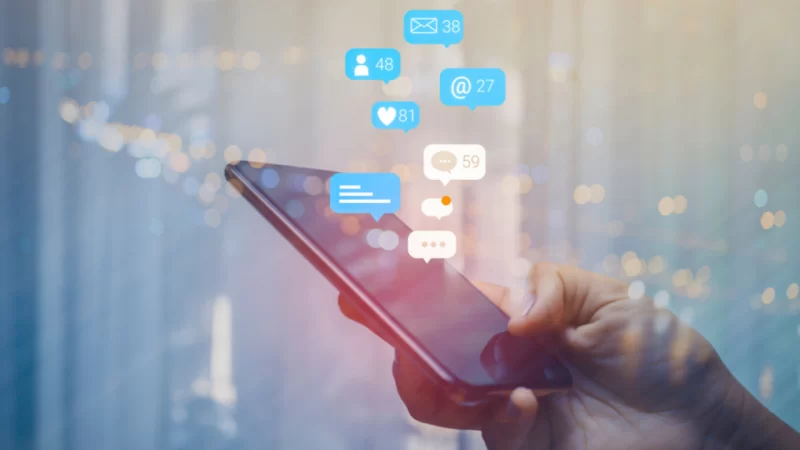
The internet has quietly become part of everyday life in Nigeria. From students researching assignments to small business owners promoting their products online, the digital space has created opportunities that were once difficult to imagine. It allows people to connect, share ideas, learn new skills, and participate in national conversations from the comfort of their phones. As its influence continues to grow, an important question emerges: should the government censor internet access in Nigeria
The internet is a global network that connects millions of computers and mobile devices, allowing people to communicate, share information, and access knowledge instantly. Through websites, emails, and social media platforms, individuals can interact with others across the world in seconds. Internet censorship refers to the control or restriction of online content by authorities often by the government to limit what citizens can access, publish, or share on digital platforms.
Supporters of internet censorship argue that some level of control is necessary to protect society. In recent years, fake news and misinformation have spread rapidly across social media. A single false report can move quickly from phone to phone, creating confusion, panic, or even tension among communities. In a country as diverse as Nigeria, where ethnic and religious differences often shape public discussions, misleading information can easily escalate into serious conflict.
Cybercrime is another concern that strengthens the call for stronger internet control. Online scams, fraud, and identity theft have become common challenges. Criminals sometimes use digital platforms to deceive people and exploit financial systems. Some believe that stronger monitoring of online activities by authorities could help reduce these crimes and make the internet safer for everyone.
Concerns about national security are also part of the debate. Governments around the world sometimes argue that certain online messages can encourage violence or threaten national stability. In Nigeria, the temporary restriction placed on Twitter in 2021 sparked a major public debate about the role of the government in regulating online spaces.
Despite these arguments, many Nigerians strongly oppose internet censorship. For them, the internet has become the modern town square a place where ordinary citizens can express their thoughts, challenge authority, and discuss issues affecting the nation. Social media platforms have given people a voice that was once limited to traditional media. Restricting that freedom, critics argue, could weaken democracy and silence voices that deserve to be heard.
There is also the fear that censorship could be misused. When governments have the power to control information, there is always the possibility that such power may extend beyond harmful content to suppress criticism or limit public debate. In a democratic society, transparency and the free exchange of ideas are essential for accountability and progress.
Beyond politics, the internet has become an important tool for economic growth and personal development. Many young Nigerians now depend on digital platforms to learn new skills, start businesses, and access global opportunities. The online space has opened doors for innovation and entrepreneurship. Strict censorship policies could discourage creativity and limit the potential of millions of young people who rely on the internet for their future.
The real challenge, therefore, is finding a balance. The internet should not become a space where harmful misinformation, hate speech, and criminal activities spread freely. At the same time, it should not become a tightly controlled environment where people are afraid to express their opinions. Instead of strict censorship, Nigeria may benefit more from promoting digital literacy, encouraging responsible online behavior, and strengthening laws that address cybercrime without restricting freedom of expression.
If the internet is truly the loudest street in Nigeria today, then the goal should not be to silence that street. Rather, it should be to ensure that the voices heard there contribute to truth, responsibility, and national progress.