National Issues
The June 12 Celebra-shun of Nigerian Democracy: #EndHungerNow, by Samuel Odunayo Afolabi
If Nigerians agree, does Nigeria agree that it is a system of government that is led by an elected government whose primary responsibility is representing the interest of both the majority and the minority of a particular polity without bias?

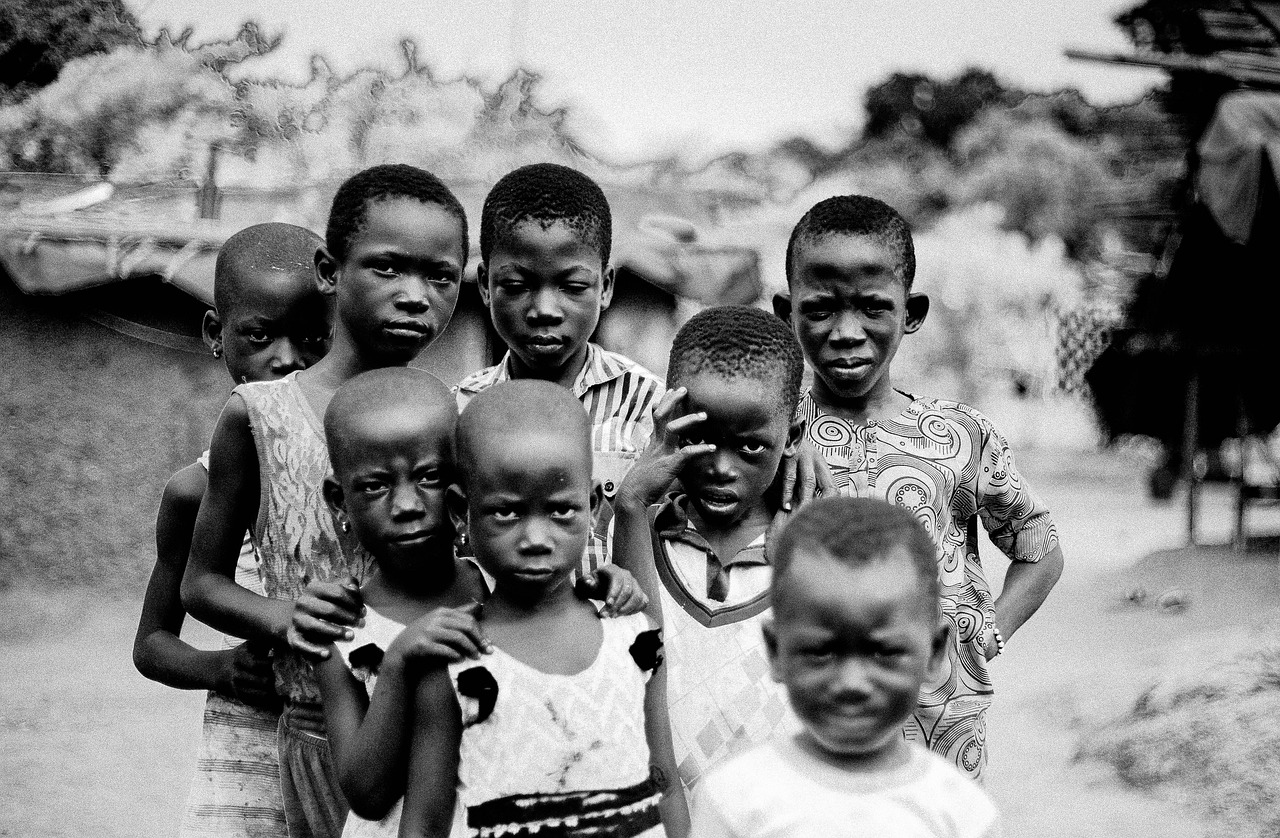
Unlike advanced countries like India who’s presently hijacking the pace of technological growth from China’s ever vibrant reputation – depending absolutely on revolutionary intellectual efforts, Nigeria and Nigerians have indulged the belief that only God can help. This can then speak for why political concept like Democracy has been left to fend for itself without practically putting in human mental and physical energy.
Since the great scramble for Africa in the dining hall of Berlin, fast forward to the passing down of the so-called political autonomies, no African country has hitherto exercised true world class political development both in its system of transitioning power and policy making.
Nevertheless, exceptions are with a number of African nationalities such as Botswana who has since 1966 being maintaining democractic values in its politics, or Namibia whose political transparency has in almost four decades remained an epoch to reckon, or the Mauritian religious devotion to carrying out peaceful election.
Each of these countries, though not satisfactorily developed as any one who comprehend the potential details of the continent would have anticipated, yet can be identified as exemplary leaders in the marshy field of African conception and practice of democracy.
In 2018, former president Muhammad Buhari declared June 12 as the new date for the celebrations of Democracy in Nigeria. Moved from May 29, this declaration was in commemoration of the one free and fair election that almost ushered Moshood Abiola in as president then.
Unfortunately, the election was not successfully free and fair. Moshood Abiola was denied right to his political election till he died in 1998.
So, how has democracy taken its turn since then?
If Nigerians agree, does Nigeria agree that it is a system of government that is led by an elected government whose primary responsibility is representing the interest of both the majority and the minority of a particular polity without bias?
Countries with significant political developments like the USA, UK, Germany, etc., despite their internal political disagreements, estimable examples of democracy. Their various people-biased policies, irrespective of some manageable cons, have the time exemplified the growth and development potentials of democracy.
The evidence is obvious.
It’s 25 years since the transition of power from military-ruled regimes in 1999, thanks to General Abdulsalam Abubakar. Many say the juice has not changed its bile taste. A poor taste that has taken its toll on the populace.
Today’s June 12. The Nigerian government declared it a holiday for the celebration of Democracy Day. A celebration amidst a no-pocket friendly inflationary cost which has bred an aggravated poverty through hikes in fuel prices, outrageous electricity tariffs, and food insecurity.
Recent display of banditry by politicians who use the police and the cyber crime bill as tools of violence against media personnel is yet another open sore.
In Lagos and cities like Osun, Ogun State among others, an #EndHunger protest is staged. It’s a counter-expression set at the seeming racket of the June 12, 2024 political celebration of Democracy.
What does this show?
Nigeria’s practice of democracy has failed in its workings. The result of which is the motive for the protesters’ peaceful convergence across its streets.
Democracy brings forth growth, development, and overall progress, just like we have occuring in Mauritius, Namibia, and the rest of the other world. It is often devoid of anti-masses policies and neoliberal pechant.
On the contrary, Nigerians have flown off the handle. They are outside on the street, demonstrating. They are inside slithering in hunger.
It appears their interest is not represented. Democracy is not yet having its grasp.

![Gaza has been under heavy Israeli bombardment for weeks [File: Ohad Zwigenberg/AP]](https://www.africansangle.com/wp-content/uploads/2023/10/Gaza-has-been-under-heavy-Israeli-bombardment-for-weeks.jpg)