Africa
The State of Nigeria’s Public Health Sector, by Fatima Dauda Salihu

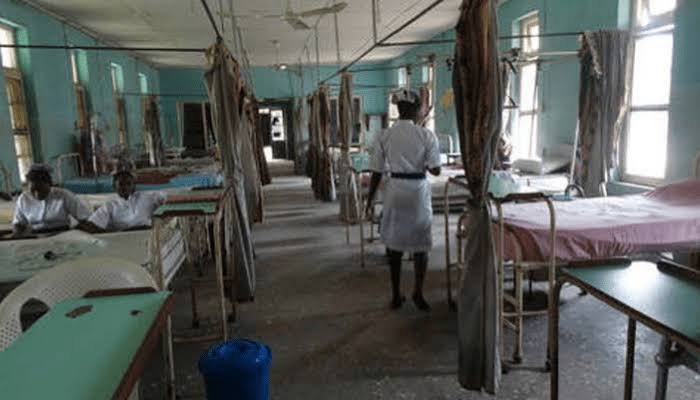
Health is one of those basic things that the government of a country should make a priority. When there are healthy citizens in a certain environment, even the state feels healthy but it becomes a sad view when the government turns a blind eye to its health sector.
The expenditure on public health by the Federal Government of Nigeria has increased over the years to improve public health but much still needs to be done. Public health is an ongoing process and continuous improvement is an ongoing goal. The numerous and serious healthcare problems in the country are due to the poor health infrastructure, inadequate education, hygiene and sanitation as well as extreme poverty and hunger.
The Health department plays a critical role in educating the people about the unforeseen infectious diseases as well as interventions for alleviation.
Public health infrastructure provides communities, states and the nation as a whole, with the ability to prevent diseases, promote health and respond to both ongoing and emerging challenges to health.
Right from independence, Nigeria’s health sector has been tagged one of the worst in Africa ranging from lack of coordination, fragmentation of services, scarcity of medical resources including drugs and supplies, inadequate and decaying infrastructure, inequity in resource distribution as well as access to care. According to the National Institute of Health, the Nigerian health care system is poorly developed and has suffered several back drops, especially at the local government levels. No adequate and functional surveillance system are developed and hence no tracking system to monitor the outbreak of communicable diseases, bioterrorism, chemical poisoning etc.
The hospitals and emergency services available in Nigeria do not meet the world standards. The availability of healthcare institutions and professionals is limited, while long distances travelling for healthcare are not affordable. The healthcare cost and expenditures related to prevention and treatment of diseases are rising. Many primary healthcare centres across Nigeria are dilapidated, with low staff, poor electricity, unhygienic water and cannot efficiently serve people in the rural areas. Many pregnant women still seek the services of traditional birth attendants for delivery and even many children in the rural areas miss out on routine immunizations which are meant to be one of the responsibilities of effective primary healthcare centres.
As a result of the poor state of the health sector, there has been a constantly mass migration of doctors and health professionals out of the country and this is in relation to the incessant strikes and poor working conditions and environment at the healthcare delivery centres. The challenges faced by Nigeria’s healthcare system include poor hygiene and sanitation, inadequate financial health investments or limited workforce and facilities. Establishing the health institutions and insurance schemes,increasing the workforce, improving hygiene and treatment conditions can ameliorate the challenges faced. Implementation of policies in maternal health and healthcare reforms can provide better health outcomes.