Forgotten Dairies
“This World Is Not Our Own”: A Sobering Lesson From Buhari’s Death For Nigeria’s Leaders -By Isaac Asabor
President Muhammadu Buhari has bowed out of life’s stage. He has left the mic. But even in death, he speaks volumes. To all Nigerian leaders, let his death remind you: “This world is not your own. Govern with that understanding. Live with that urgency. Serve with that humility.” This is because no matter how high you rise, you will return to the dust. And when you do, may it not be said of you: “He ruled like a God.”

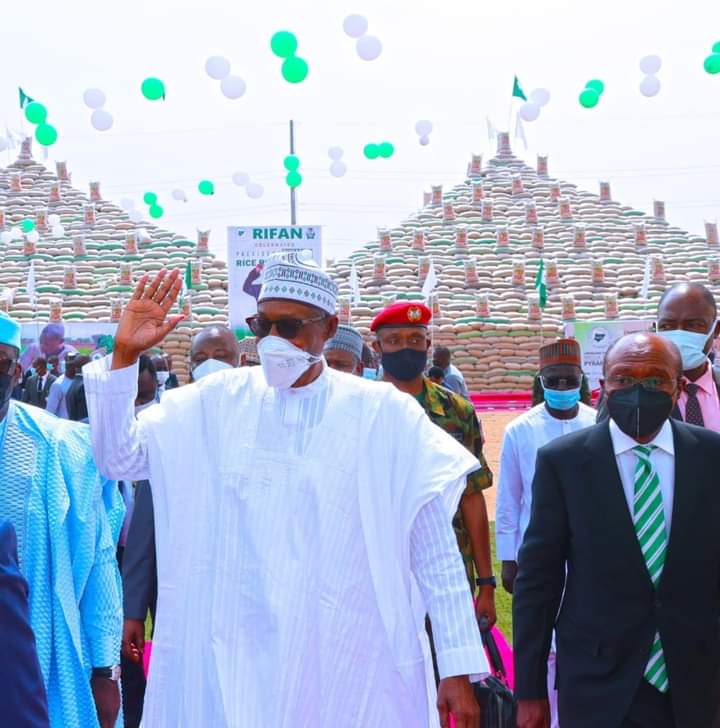
The death of former President Muhammadu Buhari is not just another national event. It is not just a ceremonial moment marked by flags at half-mast, a series of condolence messages, or a long motorcade winding solemnly from Abuja to Daura. It is much more than that. It is a divine warning, a poignant and unmissable reminder to every Nigerian leader, past and present, that this world is not our own. That power is transient. That life is fleeting. That no matter how high you rise, the grave eventually levels all.
In a country where public office is often treated as a ticket to immortality, Buhari’s death is a thunderous slap back to reality. For eight years, he sat at the apex of power, controlling the country’s affairs and being addressed as “Mr. President.” He was worshipped by his supporters and feared by his critics. He wielded enormous influence. Yet, in the end, all that power could not keep death at bay. It came, as it always does, and reminded us all of a truth we too often ignore: “All flesh is grass.”
In life, Buhari moved with sirens. In death, he moved in silence. No more DSS operatives. No more convoys. No more Aso Rock. Just a casket, a handful of pallbearers, and a trail of reflection left in the minds of those who still have breath in their lungs.
It is unfortunate that in Nigeria, many political leaders live and rule as though they are gods. They act with a sense of permanence, crafting policies that favor only the rich, embezzling billions, oppressing critics, and turning the suffering of the people into sport. They forget that time is no respecter of position and that death comes for all, governors, senators, judges, tycoons, pastors, and yes, even presidents.
Buhari’s passing has sent a quiet but powerful message to Aso Rock, the National Assembly, the judiciary, and the corridors of power across the 36 states: “You are not in control. Your time will come. And when it does, you will leave with nothing but your record”.
There is a delusion that afflicts many Nigerian leaders once they ascend to positions of influence. They start to think that the country revolves around them, that laws are beneath them, and that the people they swore to serve exist merely to validate their excesses. They hoard opportunities, silence opposition, and use national resources like personal inheritance.
But Buhari’s death reminds us that no matter how deeply entrenched you are in power, no matter how long your name echoes in the news, your chapter will close. And the question is: “What will be written on the final page?”
Let those in power reflect: if the president could die and leave everything behind, what then is the point of stealing public funds meant for hospitals, schools, and roads? Why weaponize hunger? Why cling to titles and forget the weight of responsibility that comes with them?
It is time for Nigerian leaders to start asking themselves the questions that truly matter: “Will I be remembered for bringing change or chaos?” “Will my name invoke gratitude or curses?” “Did I build or destroy?” ”Did I serve the people or enrich myself?”
The truth is, nobody remembers how many cars you drove or how many luxury homes you bought abroad. But history will remember how many children went to school because of your policies, how many hospitals were equipped under your leadership, and how many lives were improved or lost because of your choices.
Buhari may have governed with controversy, but his death is an opportunity for others to learn. The presidency did not save him. His army of supporters could not extend his life. And neither will it save the rest of us. The only thing that endures after death is “legacy”.
In the Bible, Psalm 49:10-12 says: “For all can see that the wise die, that the foolish and the senseless also perish, leaving their wealth to others. Their tombs will remain their houses forever…people, despite their wealth, do not endure.”
This is not religious sentiment. It is universal truth. Nigerian leaders must understand that no man escapes the grip of time or the finality of the grave. And while the masses may seem powerless in this life, there is a higher court where no immunity exists. A court where every corrupt act, every oppression, every act of betrayal against the people will be accounted for.
Let it be clear, this is not a call to mock Buhari’s death. No. Death is sacred, and every life deserves dignity in passing. But his death should not be allowed to fade into ceremonial tributes and political press statements. It should spark a national reflection, especially among Nigeria’s ruling class.
The current crop of leaders, from the President to ministers, governors, lawmakers, and party chieftains, must understand that they, too, will one day bow to death. They, too, will one day be remembered either with pain or with praise. It is their choice.
Let them not forget: the same people they trample on today will be the ones writing their history tomorrow.
Given the foregoing view, it is germane in this context to urge our leaders to stop acting like the owners of Nigeria. The reason for the foregoing advice cannot be farfetched as one of the biggest tragedies of Nigerian governance is how leaders treat public office as personal inheritance. They forget they are stewards, not owners. They forget that democracy is built on service, not dominion.
They forget that the real owner of Nigeria is God, who invariably loaned the power they flaunt and use in suppressing other Nigerians. In fact, every president, governor, senator, and minister is on borrowed time. Buhari’s passing simply underscores what we all know but too often ignore: no matter how mighty a man becomes, he cannot cheat death.
Now is the time for Nigerian leaders to retrace their steps. Now is the time to return to humility, to accountability, and to service. The clock is ticking, and when it stops, all that will be left is your name and your works. Make sure they are good.
President Muhammadu Buhari has bowed out of life’s stage. He has left the mic. But even in death, he speaks volumes. To all Nigerian leaders, let his death remind you: “This world is not your own. Govern with that understanding. Live with that urgency. Serve with that humility.” This is because no matter how high you rise, you will return to the dust. And when you do, may it not be said of you: “He ruled like a God.”