Africa
Threats Of Arson And Chaos: Politicians Must Be Held Accountable For Incendiary Rhetoric, by Isaac Asabor

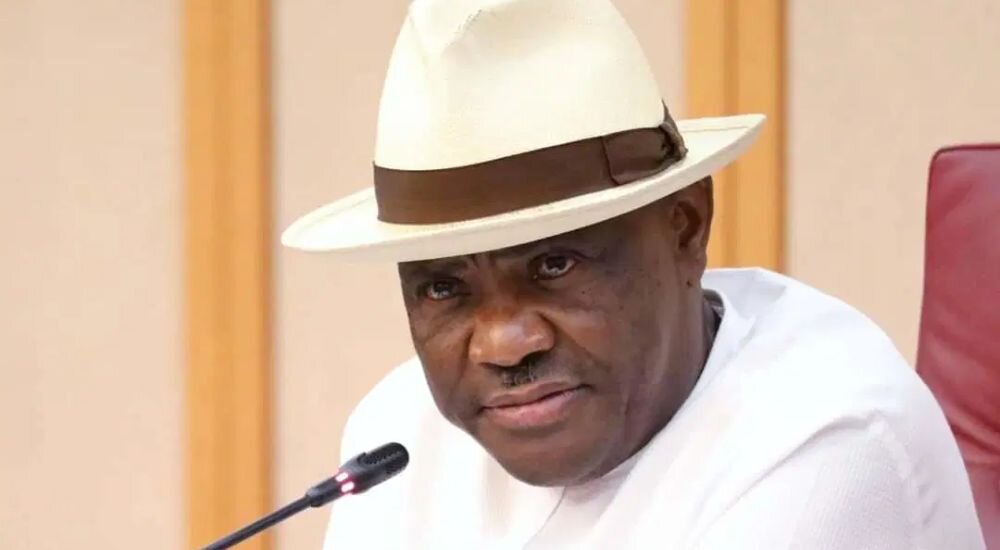
In recent weeks, the political climate in Nigeria has been marred by alarming threats from prominent figures, raising concerns about the integrity and stability of our democratic process. Nyesom Wike’s recent declaration to burn down any state governed by a PDP leader who supports his rival, and the state chairman of the Nigeria Labour Congress (NLC) in Edo, Odion Olaye’s inflammatory remarks promising to set Edo State ablaze if Asuen Ighodalo is not declared the victor, are both troubling indicators of a disturbing trend.
It is expedient to recall at this juncture that the Minister of the Federal Capital Territory, Nyesom Wike, has vowed to cause political crisis in the state of any governor who tries to interfere in the affairs of the Peoples Democratic Party (PDP) in Rivers State. Wike said this at the PDP secretariat in Port Harcourt during the party’s recent state congress.
“Let me assure all of you, not while we live will anybody take away the structure of PDP from us. But let me tell people, I hear some governors who say they will take over the structure and give back to somebody; I pity those governors because I will put fire in their states.
“When God has given you peace, you say you don’t want peace, anything you see you take,” Wike said.
In a similar vein, the Edo State chairman of the Nigeria Labour Congress (NLC), Odion Olaye, has threatened fire and brimstone should the September 21, governorship election in the state not be in favour of Asuen Ighodalo, the PDP’s ticket bearer for the election.
In a video trending online, Olaye was captured threatening that Edo State would go up in flame should the electoral body not declare his preferred candidate as the winner of the governorship polls.
While campaigning in Egor, Benin city, for the candidate of the PDP, Asue Ighodalo, the NLC chairman said he was certain of his candidate’s victory. Making his predictions, Olaye said Egor City will largely be won by the PDP.
He said, “I want to assure you that PDP, our party, is going to win Egor 80 percent come 21st of this month and on 22nd of this month, they must declare Asue Ighodalo the winner. “If they refuse to do that, Edo state will burn,” Olaye said in the video.
These statements are not just reckless; they are dangerous and potentially incendiary. Such rhetoric threatens to undermine the democratic process and instill fear among voters and citizens. When political leaders resort to threats of violence and destruction, they are not only jeopardizing the safety of their constituents but also eroding trust in the democratic institutions that are supposed to uphold peace and fairness.
The role of politicians in a democracy is to lead by example, to engage in constructive dialogue, and to respect the rule of law. Threats of violence are antithetical to these principles and should not be tolerated. It is imperative that both the authorities and the electorate hold these individuals accountable for their actions. Those who use intimidation and violence as political tools should be called to order and made to face the consequences of their behavior.
Political leaders must understand that their words carry weight and that their actions can incite unrest and conflict. It is the duty of all stakeholders in the democratic process, civic organizations, law enforcement, and the general public, to denounce such threats and work towards maintaining a peaceful and fair electoral environment.
As Nigeria approaches its next round of elections, it is crucial that we foster a political culture of respect, dialogue, and democratic integrity. Leaders who resort to threats and intimidation undermine the very foundation of our democracy and should be held accountable. The safety and stability of our nation depend on it.
By addressing these issues head-on, we can work towards a more constructive and peaceful political environment.
Addressing these issues head-on is crucial for fostering a more constructive and peaceful political environment. When political leaders make incendiary threats, they not only create an atmosphere of fear and division but also set a dangerous precedent for how political disputes are handled. By directly confronting and condemning such behavior, we take a stand against violence and intimidation, reinforcing the values of democracy and respect for the rule of law.
A proactive approach to addressing these threats entails several key actions: First, it should be publicly condemned by vocalizing disapproval of threats and violence sends a clear message that such behavior is unacceptable. This public stance helps to dissuade other potential offenders and reassures citizens that democratic principles are being upheld.
Second step to take revolves around accountability. Taking the step involves holding those who make threats accountable through legal and political means, and ensure that there are tangible consequences for such actions. This not only deters future incidents but also reinforces the importance of lawful conduct.
Third in a similar vein is the promotion of dialogue. This can be achieved by encouraging open and respectful dialogue among political rivals as a way of fostering a culture of constructive engagement rather than conflict. Also expedient is the need to prioritize discussion over threats, and this can be attained by addressing differences in a manner that upholds democratic values.
There is also the need to strengthen institutions. In fact, supporting and empowering democratic institutions to act against threats of violence helps maintain their credibility and effectiveness. These institutions play a vital role in ensuring that elections are fair and peaceful.
Also in the same vein is citizen engagement. This can be done by educating and involving the public on upholding democratic norms as they empower citizens to hold their leaders accountable. Without a doubt, a well-informed electorate can better resist divisive rhetoric and advocate for peaceful solutions.
Also is the need to confront threats directly. This can be achieved by contributing to a political environment where constructive debate can flourish, and where conflicts are resolved through democratic processes rather than through fear and violence. This approach not only protects the integrity of our political system but also fosters a more stable and harmonious society.