National Issues
Tinubu’s Admission Of Hardship Among Nigerians Is Not Enough: Action Is What We Need, by Isaac Asabor

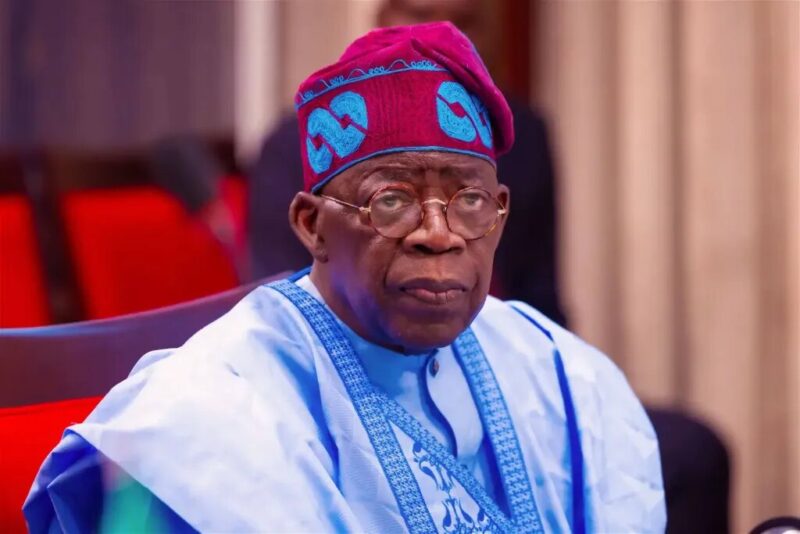
President Bola Tinubu recently admitted the hardship Nigerians are facing, acknowledging that the nation’s economic struggles stem from years of neglect in key sectors. Speaking to the Forum of Former Presiding Officers of the National Assembly, Tinubu emphasized that he “came to work, not for money,” promising to focus on real change in areas such as infrastructure, food security, energy, and education. While his candor about the state of the nation is commendable, an admission alone will not suffice in addressing the depth of Nigeria’s challenges.
The President’s acknowledgment of the situation rings true: the country is indeed in dire straits. Inflation has skyrocketed, unemployment is high, and basic goods and services are becoming more inaccessible to the average Nigerian. Tinubu’s statement that “there is hardship” is not new information to the millions of Nigerians who experience it every day. The question that remains is: what concrete steps will be taken to alleviate this suffering?
While Tinubu’s frankness is a breath of fresh air compared to the denials and dismissals often given by political leaders, it is crucial to remember that words without action ring hollow. His pledge to address the dilapidated state of education and infrastructure, for instance, is significant, but Nigerians need to see more than promises. Tinubu rightly pointed out that previous governments have neglected critical areas such as education, but the real test will be whether his administration can finally reverse these trends.
Simply admitting that the country is in trouble is not enough. Nigeria’s problems, from food insecurity to poor infrastructure, require urgent and sustained action. The President mentioned that we neglected communities during times of high crude oil production, and that is a painful truth. But acknowledgment alone does not heal the wounds caused by years of poor governance. The government must now act decisively to turn these admissions into tangible improvements.
Tinubu asked, “How did we get here?” It’s a question many Nigerians have been asking for years. The depletion of resources, poor governance, and widespread corruption has left the nation’s economy in shambles. While Tinubu promises to drive real change, the root causes of these issues, corruption, mismanagement, and a lack of accountability, must be confronted head-on.
It is not enough to fix roads and improve power supply, although those are critical steps. The systemic issues that have eroded Nigeria’s foundation must also be addressed. This includes reforming the educational system, creating job opportunities for young people, and fostering a culture of transparency in governance. Nigerians are not just suffering from economic hardship; they are grappling with a loss of trust in their leaders. Restoring that trust will require more than rhetoric; it will demand bold reforms that put the interests of the people first.
While the President’s focus on long-term goals like energy security and infrastructure development is necessary, the immediate needs of Nigerians cannot be ignored. The recent removal of fuel subsidies, for instance, while fiscally responsible in the long run, has compounded the hardships of ordinary citizens. Tinubu must prioritize policies that offer immediate relief to struggling families. This could come in the form of direct cash transfers, food aid, or subsidized healthcare for the most vulnerable.
Moreover, addressing Nigeria’s food insecurity is a pressing concern. The President spoke about improving food security, but what Nigerians need right now are policies that will make basic staples affordable again. With food prices soaring and inflation hitting record levels, many families are finding it difficult to put meals on the table. A well-thought-out agricultural policy that boosts local production, provides farmers with the resources they need, and reduces dependency on imports is crucial.
The President also spoke about the need for collaboration and inclusiveness, emphasizing that unity among former political leaders can help drive national development. While this is an encouraging sentiment, the reality is that Nigerians need transparency in governance. Collaboration should not be limited to political elites but should extend to include civil society, the private sector, and ordinary citizens in shaping policies that affect their lives.
If Tinubu truly wants to restore faith in his leadership, he must ensure that his administration’s actions are transparent and accountable. Nigerians deserve to know how public funds are being used and should have the opportunity to hold their leaders accountable through robust democratic processes.
President Tinubu’s admission of the nation’s hardships is an important first step, but it cannot end there. Nigerians are looking for real solutions to the economic challenges they face daily. From inflation to food insecurity, from a crumbling education system to poor infrastructure, the issues are vast, and the clock is ticking. The President has outlined an ambitious vision, but only time, and action, will tell if his administration is capable of delivering on these promises.
In the end, Nigerians need more than words; they need leadership that will transform admissions of hardship into concrete improvements in their lives. The President says he came to work, not for money. Now is the time to get to work and show Nigerians that their votes were not in vain.