Africa
When Will Nigeria Be Blessed With Leaders Who Can Truly Revive Its Economy?, by Isaac Asabor

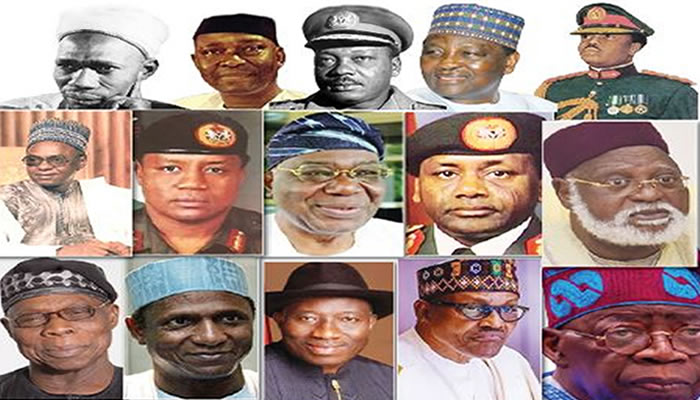
Nigeria, once revered to be the giant of Africa, has long been a nation brimming with potentials, yet it remains perpetually on the cusp of greatness, hindered by a series of missteps, poor leadership, and policy inconsistency. The country’s challenges are deep-seated, ranging from economic instability to insecurity, high unemployment, and an alarming poverty rate. Despite the wealth of resources and the resilience of its Nigerians, the question looms: when will Nigeria be blessed with a president who has what it takes to revive its ailing economy?
The answer to this question is not just about electing a president who has charisma or is popular at the polls. The person who can truly bring about the long-needed economic revival must possess a profound understanding of Nigeria’s socio-political and economic landscape. Such a leader must combine a vision for the future with the experience, pragmatism, and resolve to turn that vision into reality.
The reason for the foregoing view cannot be farfetched as Nigeria’s economy has suffered under successive administrations. From the oil boom era to the structural adjustment policies of the 1980s, Nigeria has been on an economic rollercoaster. Each government promised reform and development, but the results have been mixed, with most of the nation’s wealth concentrated in the hands of a few.
The recent years have been particularly tough for ordinary Nigerians. Under the weight of inflation, the devaluation of the naira, and rising unemployment, millions of Nigerians find themselves trapped in a cycle of poverty. While administrations often tout their policies to boost agriculture, infrastructure, or manufacturing, the real impact is scarcely felt by those on the ground. For instance, despite large loans from the World Bank and China, Nigeria’s economy continues to be a source of concern, with the general population not benefiting much from these financial injections.
Without a doubt, a president who can truly revive the economy must have a comprehensive understanding of the fundamental problems that plague the nation and the foresight to craft sustainable policies that go beyond political rhetoric.
Nigeria requires more than just a president who makes bold promises. The country needs a leader who combines intellect, integrity, and the capacity for decisive action. Here are some key attributes that such a president should possess:
In fact, Nigeria’s economy is a complex web of challenges that range from fluctuating oil prices, an overreliance on imports, poor infrastructure, and an unproductive agricultural sector. The next president must understand these intricacies and have the expertise to navigate through them. This leader must prioritize diversification of the economy, empowering sectors such as manufacturing, technology, and agriculture, to reduce the nation’s dependence on oil.
Not only that, the problems facing Nigeria are not new, but fixing them requires a leader with the political will to tackle entrenched interests head-on. Corruption, which has long drained the nation’s resources, must be tackled from the top down. For years, Nigeria has been plagued by government officials enriching themselves at the expense of the masses. A president with the courage to implement strong anti-corruption measures, backed by an independent judiciary, will be crucial in curbing the waste and siphoning of public funds.
Again, populist policies that promise quick fixes have proven to be counterproductive. Nigeria needs a president who understands that true reform often requires painful, long-term measures rather than feel-good, short-term solutions. Removing fuel subsidies, for example, may cause temporary hardship but could lead to long-term financial stability if properly managed. Balancing fiscal discipline with social safety nets is essential to protect the most vulnerable during economic transitions.
In a similar vein, decades of underinvestment in infrastructure have left Nigeria with poor roads, an unreliable power grid, and inadequate transportation systems. A president who prioritizes rebuilding Nigeria’s infrastructure can create jobs, stimulate investment, and unlock the country’s full potential. The ability to attract both local and international investments for infrastructure development, without burdening future generations with unsustainable debt, will be a delicate but necessary balancing act.
Also, Nigeria is a diverse nation with multiple ethnic groups and regions. The president who will revive the economy must foster inclusivity and ensure that development policies are evenly spread across the country. For too long, economic policies have favored certain regions or groups while leaving others behind, leading to widespread discontent. A leader who can unify the country and promote policies that cater to the needs of all Nigerians, regardless of tribe, religion, or region, will be essential.
In fact, one of the major roadblocks to Nigeria’s economic growth is its lack of global competitiveness. The country ranks low in ease of doing business, primarily due to bureaucratic red tape, weak legal frameworks, and corruption. A president who can simplify processes, enforce the rule of law, and create a conducive environment for businesses to thrive will be key to attracting foreign investment.
Moreover, Nigeria’s youth represent its most valuable asset, yet they are grossly underutilized. With a population that is over 60% youth, Nigeria’s future hinges on the ability of its leaders to empower this group. The next president must focus on youth development through education, vocational training, and job creation. Digital innovation and entrepreneurship should be at the heart of this drive, as they offer the potential to diversify the economy and provide sustainable livelihoods.
Despite the myriad of challenges, Nigeria is not without hope. The country boasts vast natural resources, a large, entrepreneurial population, and immense potential for growth. However, for Nigeria to truly rise, it must elect a leader with a clear, actionable plan for its economic recovery. This leader must be someone who understands that reviving the economy will require difficult decisions, transparency, and a commitment to long-term development over short-term political gains.
The Nigerian people deserve a president who will prioritize the national interest over personal or party interests, a leader who will steer the country out of the economic wilderness and into prosperity. As the 2027 election cycle approaches, Nigerians must ask themselves: who among the candidates has the expertise, vision, and integrity to make this dream a reality?
Given the nagging question, “When Will Nigeria Be Blessed With Leaders Who Can Truly Revive Its Economy?”, which has being on the lips of not a few Nigerians, it is not a misnomer to opine that until the right leader emerges, the question of when Nigeria will be blessed with a president who has what it takes to revive its economy will continue to resonate. The hope is that when such a leader arrives, Nigerians will recognize the opportunity and rally behind them to create the future they so desperately need.