Africa
Where Defamation is a Capital Offense but Terrorists Live Freely: Nigeria, ‘Our Country’ -By Ajiboye Amos Olakunle
The Nigerian government must declare a state of emergency on security, International bodies (UN, AU, ICC) should pressure Nigeria to prosecute perpetrators, Citizens must continue speaking out because silence enables more bloodshed.

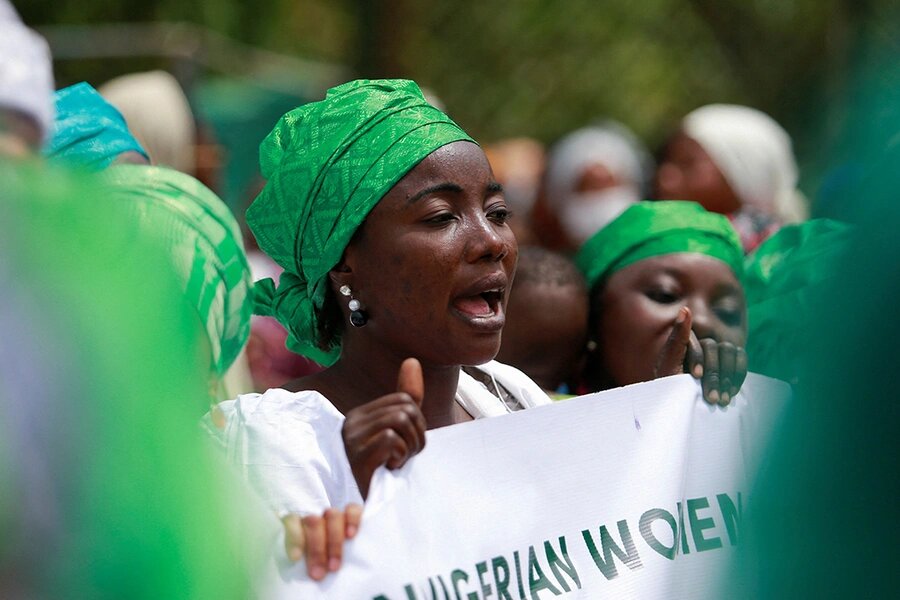
Nigeria, Africa’s most populous nation and largest economy, is a country of stark contradictions. While the government swiftly arrests and prosecutes citizens for criticizing public officials, it struggles or refuses to apprehend terrorists and armed herdsmen who massacre entire villages. The recent massacre in Benue State, where over 200 people were killed in coordinated attacks, has once again exposed the government’s misplaced priorities.
Despite global outcry, including condolences from Pope Francis, President Bola Tinubu’s response was tepid and delayed. Meanwhile, ordinary Nigerians who dare to speak against government inefficiency are hunted down, arrested, and charged with defamation or cybercrime. This disturbing trend raises a critical question: Why is defamation treated as a capital offense in Nigeria while terrorists operate with impunity?
Benue Massacre: Another Bloodbath Without Justice
On December 24-25, 2023, armed herdsmen launched a brutal attack on over 20 communities in Bokkos and Barkin-Ladi areas of Plateau State, leaving more than 200 dead and thousands displaced. The attackers burned homes, destroyed farms, and slaughtered women and children. Survivors recounted horrific scenes of bodies littering the streets while security forces arrived too late, if at all.
This was not an isolated incident. Benue State has been a killing field for years, with thousands murdered in similar attacks. Yet, no high-profile arrests have been made. No masterminds prosecuted. Instead, victims are often told to “learn to live peacefully” with their killers.
When Pope Francis expressed grief over the massacre, the world took notice. But Nigeria’s own president, Bola Tinubu, waited days before issuing a lukewarm statement. His eventual visit to Benue was reluctant, lacking the urgency such carnage demands.
Swift Action Against Critics, Silence on Terrorists
While terrorists roam freely, the Nigerian government has shown alarming efficiency in silencing dissent:
• In 2023, human rights activist Omoyele Sowore was repeatedly arrested for organizing protests against government policies.
• Journalist Agba Jalingo was detained for months for criticizing a state governor.
• In 2024, several social media users were arrested under the Cybercrime Act for “defaming” politicians.
The Nigerian Police and Department of State Services (DSS) often deploy vast resources to track down critics, sometimes invading homes at midnight. Yet, when entire villages are razed, the same security agencies claim they lack “intelligence” or “logistics” to act.
Why Are Terrorists Untouchable?
1. Political Patronage: Many suspect that powerful politicians and traditional rulers protect these killers for electoral or economic gains.
2. Ethnic & Religious Bias: Security agencies are often accused of turning a blind eye when victims are from minority groups.
3. Weak Judicial System: Even when arrests are made, cases drag indefinitely or suspects are mysteriously released.
4. International Silence: Global bodies pay more attention to Ukraine and Gaza, leaving Nigeria’s crisis underreported.
Conclusion: A Nation Protecting Its Abusers Instead of Its People
Nigeria’s priorities are dangerously inverted. Defaming a politician can land a citizen in jail, but mass murderers walk free. The government’s inaction in Benue and other terror-prone regions suggests either complicity or incompetence, neither of which is acceptable.
If Nigeria is to survive, it must stop criminalizing free speech and start arresting terrorists. The world is watching, and history will judge leaders who protect killers while persecuting truth-tellers.
The Nigerian government must declare a state of emergency on security, International bodies (UN, AU, ICC) should pressure Nigeria to prosecute perpetrators, Citizens must continue speaking out because silence enables more bloodshed.
Until then, Nigeria remains a land where defamation is punished more severely than terrorism.