Africa
Why Concession Speeches Matter: Election Day Lessons from the U.S. and How Nigeria Can Improve its Voting Process, by Ibrahim Kegbegbe

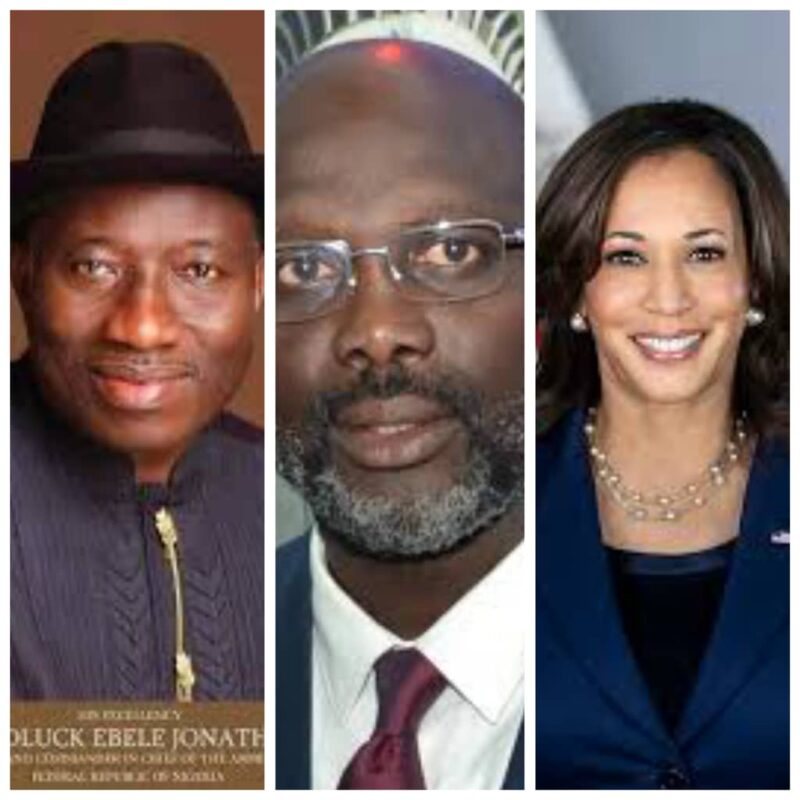
In democratic elections, a peaceful transfer of power is not merely a procedural event; it is the cornerstone of a stable society. When candidates gracefully accept defeat, they send a powerful message that strengthens a nation’s political fabric and reinforces respect for democratic values. This has been notably demonstrated by leaders like Kamala Harris in the United States, George Weah in Liberia, and Goodluck Jonathan in Nigeria. Through gracious concession speeches, these leaders championed unity, peace, and democracy above personal ambitions, showing how acknowledging electoral outcomes benefits a country by fostering continuity, harmony, and progress.
Conceding defeat is essential for stable governance and the peaceful transition of power. In 2015, former Nigerian President Goodluck Jonathan’s landmark concession speech reaffirmed his commitment to democracy, stating, “nobody’s ambition is worth the blood of any Nigerian.” His decision ensured a peaceful transfer of power and strengthened Nigeria’s democratic foundation. Jonathan’s concession speech is globally remembered as a testament to statesmanship and a commitment to putting national unity above personal goals. His example demonstrates that graceful exits can leave a positive legacy, reinforcing trust in governance and ensuring continuity despite change.
Similarly, George Weah’s concession to Joseph Boakai in Liberia’s presidential election became a call for collective healing. Weah urged his supporters to “place our country above party, and patriotism above personal interest,” demonstrating that elections should be opportunities for renewed unity, not grounds for division. For a country like Liberia, scarred by past conflicts, such a gesture is profound. Weah’s words underscored that respect for election results can be a path toward a peaceful and unified future, where citizens feel connected not by partisan divides but by shared aspirations for stability and prosperity.
In the United States, Kamala Harris acknowledged her supporters’ disappointment yet urged them to remain engaged and optimistic, stating, “We must accept the results of this election,” while emphasizing that her commitment to justice and equality would continue. Harris’s concession highlighted that conceding defeat does not signify the end of one’s values or advocacy efforts. Instead, it underscores a leader’s responsibility to respect democratic norms, inspiring the next generation to engage in public life with integrity. Her example reinforces that democracy thrives when leaders prioritize stability, setting an example that transcends borders.
Concession speeches help avert chaos and unrest by communicating that ideological or party differences should not disrupt national peace and unity. By stepping down gracefully, leaders assure citizens that governance is a continuous mission beyond individual ambition. These gestures remind all that humanity is a shared foundation—a value more profound than religious, ethnic, or ideological divides.
Concession speeches not only preserve peace but also encourage citizens to view each other as part of a single national community. This belief in a shared identity bolsters social and economic integration and promotes collective well-being. Leaders who concede defeat gracefully affirm the importance of a united society, inspiring citizens to pursue common goals in harmony. George Weah’s words in Liberia echoed this sentiment, promoting national unity even amid political differences.
In any democracy, the humility, respect, and dedication to the public good expressed in a concession speech foster an environment of peace, tranquility, and optimism for the future. Kamala Harris, George Weah, and Goodluck Jonathan each offered messages that were not just to their nations but to the global community, reminding us of the true purpose of leadership—service to the people, respect for the rule of law, and an unwavering commitment to democracy.
These examples show nations the positive influence that such democratic gestures hold for their political culture. When leaders concede with dignity, they uplift their nations, inspire their citizens, and provide the world with a model of resilience and peace in the face of electoral defeat.
Learning from the U.S. Election Process
The recent American election has offered crucial insights for Nigeria’s democratic framework, highlighting the importance of concession in leadership and improvements in electoral practices. Through the experiences of Kamala Harris in the United States, George Weah in Liberia, and Nigeria’s own Goodluck Jonathan, we see that graciously conceding defeat upholds democratic principles, fosters unity, and strengthens national stability. These actions show a commitment to democracy as a force for peace and continuity rather than a means to cling to power.
In the U.S., electoral processes have evolved to respect citizens’ rights and uphold daily freedoms, even during election cycles. Unlike in Nigeria, where movement is restricted on election days, the U.S. keeps businesses, places of worship, and workplaces open. This model shows that elections need not disrupt economic flow and emphasizes citizens’ freedom to vote without undue restrictions. Nigeria could benefit from policies that support electoral participation while preserving daily activities.
Timely and transparent result announcements are another vital aspect of the American election process. In the U.S., results are generally available within hours, boosting public confidence. Nigeria’s prolonged delays and occasional reports of “inconclusive” elections can cause frustration, undermining trust. Adopting timely reporting practices could improve transparency, reduce tension, and enhance public confidence in Nigerian elections.
The peaceful and interference-free environment of U.S. polling locations contrasts with Nigeria, where ballot box snatching and violence often necessitate a heavy security presence. Voters in the U.S. can cast ballots without fear, an environment Nigeria could strive for by prioritizing education on respecting the electoral process and increasing penalties for ballot interference. The absence of disruptions in the U.S. exemplifies an election free from intimidation, ensuring voters’ rights and electoral integrity.
Judicial independence and impartiality within the electoral commission further demonstrate democratic health in the U.S. Kamala Harris’s peaceful concession bypassed lengthy court disputes, showing respect for election results. In Nigeria, court battles often arise after elections, straining the judiciary and extending political tension. By fostering a culture of respect for electoral outcomes, Nigeria could ease judicial burdens and promote a peaceful post-election period.
The independence of electoral bodies also greatly influences public trust. The U.S. electoral commission operates independently, without government influence, fostering trust. Concerns about the neutrality of Nigeria’s Independent National Electoral Commission (INEC) can undermine electoral credibility. Strengthening INEC’s impartiality could enhance trust and ensure a level playing field in Nigerian elections.
These insights from the American electoral process highlight values crucial to any democracy: transparency, efficiency, judicial independence, and citizen freedoms. As Nigeria works to consolidate its democracy, adopting these practices could ensure fairer, safer elections and foster a political culture grounded in democratic principles. Embracing these lessons can enhance Nigeria’s electoral system, building a democracy that truly serves and unites its people.