Africa
Why Nigeria Must Move Beyond the Military Legacies of Gowon, Abacha, and Obasanjo to Heal and Progress Toward True Democratic Growth, by John Egbeazien Oshodi

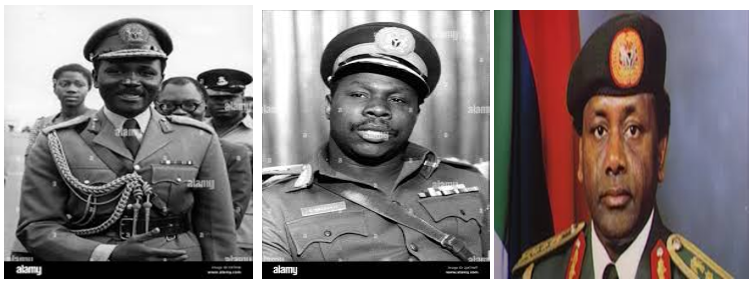
This revelation by General Yakubu Gowon, recounting his plea for Olusegun Obasanjo’s life during the dark days of Sani Abacha’s regime, opens a window into a critical and deeply troubling chapter in Nigeria’s history. It reflects a moment of diplomacy amidst an era of fear, repression, and instability. Yet, as poignant as this narrative may be, revisiting the legacies of military leaders like Gowon, Abacha, and Obasanjo brings to the surface unresolved wounds from decades of authoritarian rule. These regimes, emblematic of Nigeria’s turbulent journey, left behind a legacy of fractured institutions, economic chaos, and a democracy stifled before it could fully take root.
The scars of those military years persist in today’s struggles—an economy crippled by poor foundations, governance marred by inefficiency, and a people left grappling with the psychological trauma of repeated assaults on their freedoms. While these former leaders, now far removed from power, reflect on their roles in history, Nigeria remains mired in the consequences of their decisions. Their legacies are not just relics of the past but living reminders of a system that prioritized control over progress and left a generation yearning for accountability, growth, and a future untethered from the failures of the past.
Meanwhile, Nigerians are also enduring a worsening fuel crisis, further amplifying the economic strain on a nation already grappling with systemic failures. Petrol prices have skyrocketed, rising from ₦617 per liter in August 2024 to between ₦1,060 and ₦1,150, pushing transportation costs and commodity prices to unmanageable levels. The removal of fuel subsidies, compounded by currency devaluation and distribution inefficiencies, has exacerbated the situation, leaving the average Nigerian struggling to afford basic necessities.
Efforts to alleviate the crisis, such as relying on the Dangote Refinery to stabilize local production, have yet to yield significant relief. The refinery’s current output falls short of meeting national demand, forcing continued reliance on costly imports. Additionally, the government’s push for compressed natural gas (CNG) as a cheaper alternative faces critical barriers, including inadequate infrastructure, public skepticism, and logistical challenges.
The cascading effects of this crisis are profound, with increased transportation expenses further driving food inflation and deepening the poverty trap. This dire situation highlights the interconnectedness of Nigeria’s challenges—fuel scarcity, food insecurity, and economic instability—creating a cycle of hardship that disproportionately affects the most vulnerable.
To compound matters, the judiciary, police, and education systems remain riddled with inefficiency, corruption, and neglect, all while environmental degradation accelerates due to unchecked climate impacts. These issues, paired with a faltering naira, reflect a nation stuck in systemic disrepair, rooted in decades of mismanagement and exacerbated by the lingering influence of past military rule.
So, please, no more traumatic military narratives to our ears. The shadows of authoritarian rule have already left scars that this nation is still struggling to heal. What Nigerians need is not a rehashing of military legacies that symbolize repression and stagnation, but a focused effort on building systems that serve the people, foster accountability, and address the crises head-on. This is a moment for transformative action, not reminders of a past that weighs heavily on the collective psyche. The time for moving forward is now—decisively and unapologetically.
While these men, now far aged, reflect on their personal histories and actions, Nigerians are left grappling with a reality far removed from such introspection. The country is desperate for forward momentum, yet the slow pace of democratic advancement only compounds its challenges. Decades after the military’s grip on power loosened, the nation remains ensnared in the struggle for basic necessities: affordable fuel, sufficient food, reliable electricity, clean water, functional governance, accessible healthcare, and the visionary leadership required to address these deficits.
The very constitution under which Nigeria operates today—a document purportedly modeled after the American system—is, in reality, a relic of military influence. Experts have long condemned it as deformed, unrepresentative, and fundamentally disconnected from the aspirations of the Nigerian people. This constitution, conceived in the shadow of authoritarian rule, is more a tool of control than a framework for empowerment. It fails to embody the diversity, hopes, and voices of the populace, instead preserving structures that perpetuate inefficiency and mistrust. Daily, Nigerians cry out for a new constitution—one that genuinely reflects their will and charts a path toward inclusive, sustainable progress.
Sirs, this nation has already endured more than its share of military assaults and the trauma they wrought. Those years left deep scars on our collective psyche and on the fragile systems meant to sustain democracy. We are still reeling from the psychological weight of repression and the structural chaos inherited from those regimes. The nation is striving, painfully and arduously, to rebuild, but these efforts cannot take root when we are burdened by a constitution that chains us to the failures of the past.
We need to heal. Rehashing the legacies of military rule and the damages they inflicted only deepens the wounds we are fighting to mend. The focus now must be on addressing the urgent civilian and democratic challenges that face us: rebuilding trust in governance, fostering accountability, and creating a truly representative system that works for the people. The time for reflection has passed—what Nigeria needs now is action, bold and decisive, to move beyond the shadows of military trauma and embrace a future defined by resilience and renewal.
This stagnation weighs heavily on the collective psyche, a burden carried by generations who have known more hardship than progress. The shadow of military rule—defined by the erosion of democratic values, weakened institutions, and a culture of impunity—continues to loom large. The frameworks and systems shaped by those regimes persist, often producing leaders who lack the capacity or will to deliver transformative change.
So, please, no more traumatic military narratives to our ears. Sorry, sirs, but at your truly long age, with Abacha long gone, you reflect for us now while all is still far from well. The weight of this legacy is not just historical but deeply structural, stifling innovation, accountability, and growth. For Nigerians, the yearning for progress is not merely a demand for better governance but a desperate plea for liberation from a past that continues to dictate the present.
The scars of military misrule remain unhealed, visible in a nation struggling with systemic inefficiencies, food insecurity, and a crumbling justice system. Efforts by the government, such as food waivers and monetary interventions, have yet to deliver meaningful relief. Subsidized markets, stricter consumer protection measures, and robust agricultural policies are necessary, but they remain insufficient without long-term reforms to address insecurity, economic instability, and pervasive inefficiency.
Moving forward requires more than reflections and nostalgia for past regimes. It demands decisive action to dismantle the remnants of that authoritarian era and rebuild with a vision that truly serves the people. This means respecting press freedom, restoring trust in public institutions like the judiciary and police, and crafting a new constitution that reflects the will of the people. It requires leaders with the courage to prioritize resilience, innovation, and equitable growth.
History may offer lessons, but now is not the time to linger on the narratives of former military leaders. Nigerians are weary of reliving the cycles of mismanagement, corruption, and hardship. The focus must shift to actionable solutions that restore hope and dignity. The slow pace of progress must give way to bold, systemic reforms that pave the way for a brighter future. It is time to move forward—decisively, unapologetically, and without looking back.

Professor John Egbeazien Oshodi, born in Uromi, Edo State, Nigeria, is an American-based police and prison scientist, forensic/clinical psychologist, public policy psychologist, and legal psychologist. He’s a government advisor on forensic-clinical psychological services in the USA and the founder of the Dr. John Egbeazien Oshodi Foundation for Psychological Health. With a significant role in introducing forensic psychology to Nigeria through N.U.C. and Nasarawa State University, he’s also a former Secretary-General of the Nigeria Psychological Association. He’s taught at esteemed institutions like Florida Memorial University, Florida International University, Nova Southeastern University, and more, and is currently an online faculty member at ISCOM University, Weldios University and Walden University.