Politics
2027: Ndi-Anambra Are Not Political Property — Soludo Cannot Trade Their Mandate -By Jeff Okoroafor
An in-depth analysis of the reported APC–APGA collaboration in Anambra, questions surrounding Governor Soludo’s performance, and why many Ndi-Anambra will back Peter Obi in the 2027 presidential election.


When the Anambra APC Chairman, Basil Ejidike, publicly declared that the APC is “working with the ruling APGA to make sure that we deliver 95 per cent of Anambra votes to the APC and President Bola Tinubu in the 2027 Presidential Election,” it was more than a routine political statement. It was a political alarm bell.
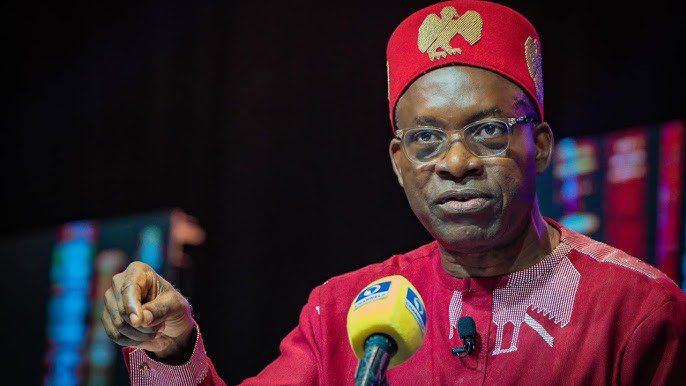
Deliver 95 percent of Anambra votes?
Since when did Ndi-Anambra become electoral cargo to be handed over through backroom arrangements?
Anambra people are politically conscious, economically independent, and historically resistant to political imposition. The suggestion that their votes can be pre-packaged and delivered by elite agreement reflects a fundamental misunderstanding of who they are.
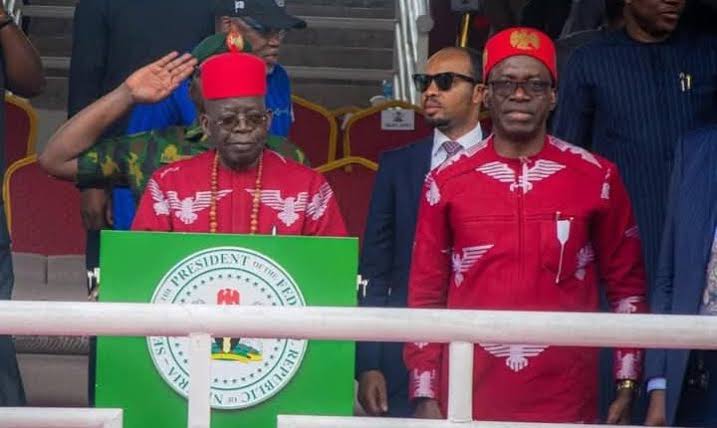
If there is indeed collaboration between APGA and APC toward 2027, then Governor Chukwuma Soludo owes Ndi-Anambra a clear explanation. He was elected under APGA — a party many believed represented regional political identity and autonomy. Any quiet alignment with a dominant national ruling party cannot be treated as routine politics. It must be explained.
Performance Before Politics
But beyond alliances lies the deeper issue: performance.
Nearly five years into this administration, many Ndi-Anambra are still asking — where is the transformational governance that was promised?
Anambra is a commercial powerhouse. It thrives on trade, private capital, and grassroots enterprise. Yet traders, small business owners, and informal sector operators frequently express concerns about economic uncertainty and policy direction. Discussions around restructuring commercial hubs — including the iconic Onitsha Main Market, widely regarded as West Africa’s largest — have created anxiety rather than reassurance.
Reform is not the problem. The problem is perception, execution, and measurable impact.
Governance is not about theory. It is about visible roads, functioning systems, investor confidence, security stability, and improved livelihoods. If citizens cannot point clearly to life-changing progress, frustration grows.
And comparisons are inevitable.

In neighboring Abia State, Governor Alex Otti’s administration is being cited across the South-East as an example of visible action and administrative decisiveness. Fair or unfair, such comparisons are shaping public conversation. When voters see perceived progress next door, they demand the same — or better — at home.
The 2027 Reality: Ndi-Anambra Will Decide
In 2023, Peter Obi commanded overwhelming support across the South-East, including Anambra. That support was not accidental. It reflected a political identity rooted in accountability, fiscal discipline, and people-centered governance.
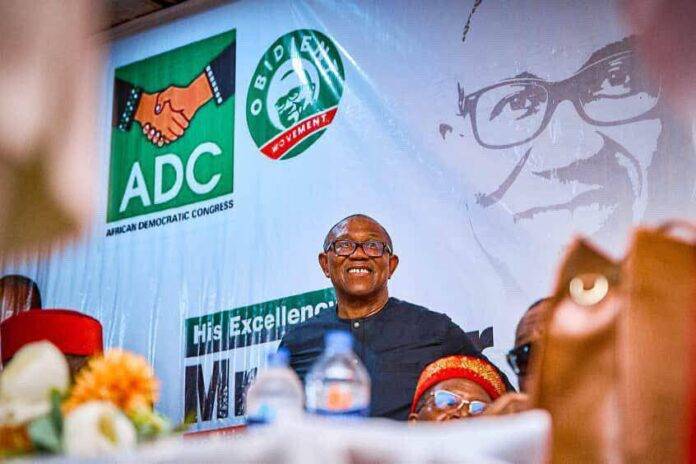
If political actors believe that 95 percent of Anambra votes can automatically be redirected in 2027 through elite negotiations, they may be misreading the electorate.
Anambra voters are not passive. They are strategic. They are independent. And when dissatisfied, they do not shout — they vote.
If there is a growing perception that governance has fallen short of expectations, and if political alignments appear disconnected from grassroots sentiment, then 2027 will not be about party structures. It will be about correction.
The Core Issue: Trust
The real question is simple:
Does the current leadership still carry the moral and political confidence of the people?
Because no alliance — whether APC, APGA, or any other configuration — can substitute for trust.
Anambra has never been a state that follows political instructions blindly. From the days of intense political competition to the rise of reform-driven governance, the state has always charted its own path.
If Governor Soludo chooses to align with national power structures, that is his political calculation. But Ndi-Anambra will make their own calculation at the ballot box.

And if that calculation favors Peter Obi in 2027, it will not be because of party loyalty. It will be because voters believe in performance, direction, and accountability.
Anambra votes are not deliverables.
They are earned.
Jeff Okoroafor is a social accountability advocate and a political commentator focused on governance, accountability, and social justice in West Africa.