
Africa
Power, Popularity and the Price of Politics: Lessons for 2027 -By Patrick Iwelunmor
The lessons are stark yet hopeful. Popularity without performance is fragile. Power without accountability is a perilous inheritance. Elections must rise above spectacle and focus on leadership that listens, responds, and produces tangible results. The responsibility rests not only with those who seek office but with citizens who must decide what kind of politics they are willing to reward.

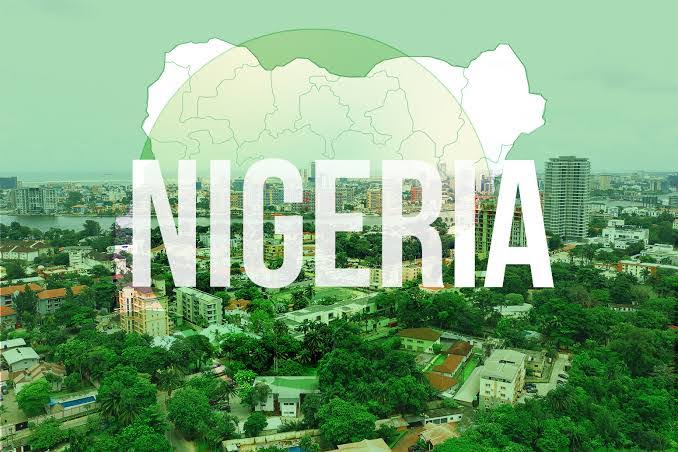
As Nigeria approaches the 2027 general elections, the dynamics of power, popularity, and the cost of politics are already unfolding in ways both subtle and stark. Behind the rhetoric of democratic renewal and promises of reform lie strategic calculations, personality politics, and maneuvers designed to secure office at almost any cost. For citizens, however, this is not abstract theatre. It is about the price of food in the market, the availability of electricity at night, the dignity of steady employment, and the quiet anxiety of parents wondering what kind of country their children will inherit.
Across the political landscape, the ruling All Progressives Congress APC appears confident that it will retain power, buoyed by narratives of President Bola Ahmed Tinubu’s popularity and political dexterity. A string of high-profile defections of opposition governors into the APC is celebrated internally as proof of dominance. Yet beyond the applause, many Nigerians watching from their living rooms and market stalls ask a simpler question: how does this improve my life? When politics becomes a contest of alignments rather than outcomes, democracy risks becoming performative rather than transformative.
Persistent rumors suggest that the APC may have leveraged corruption allegations against certain governors to facilitate defections. Whether true or exaggerated, these claims point to a party confronting socio-economic pressures and carefully repositioning itself for the political realities of 2027. The shadow of the 2023 elections lingers heavily. With voter turnout barely 27 percent, the democratic deficit was palpable. I remember speaking to young professionals who chose not to vote, not because they were indifferent, but because they felt their votes would not translate into change. That quiet withdrawal from civic participation should worry every serious leader.
Already, the political theatre for 2027 is taking shape. Celebrities are mobilized to amplify campaigns, and flamboyantly branded movements like the City Boy Movement and Village Boys Movement dominate social discourse. Social media pulses with slogans, edited clips, and triumphant declarations. Yet beyond the trending hashtags are citizens calculating school fees, transport fares, and hospital bills. Supporters of President Tinubu anticipate a landslide victory, often hinging their confidence on personality and narrative. Opposition factions see this optimism as a distraction from governance deficits. Between both camps stands the average Nigerian, less concerned with spectacle than with survival.
Among opposition narratives, Peter Obi remains central. His 2023 campaign defied early expectations, earning over six million votes and inspiring a movement that still feels emotionally invested in unfinished business. Many of his supporters, the Obidients, speak not only of electoral mathematics but of moral conviction. Their persistence reflects a broader hunger for accountability and systemic reform that transcends party lines.
Yet, amid this political choreography, the realities of daily life remain stubborn. In rural communities, farmers still struggle with access to markets and security. In urban centres, small business owners adjust prices weekly just to stay afloat. Hospitals strain under limited resources. Universities navigate funding uncertainties. Electricity flickers. Dreams are deferred. Governance is no longer judged by eloquent speeches but by whether these lived conditions change in tangible ways.
From a personal reflective viewpoint, the Tinubu administration has demonstrated a capacity to listen, even if it has not fully addressed the myriad challenges facing the nation. It arguably stands as one of the most listening governments in Nigeria’s history. Engagement with labour unions, dialogue with student representatives, and recalibrated conversations with state actors signal a shift in tone. I have observed that dissent is less frequently met with outright dismissal and more often with engagement. That cultural shift matters. Still, listening must mature into measurable relief. A listening government that does not deliver felt improvement risks exhausting the patience of its people.
Ongoing reforms, particularly in power, health, and higher education, suggest an administration attempting structural correction. Investments in primary healthcare facilities, renewed negotiations within the university system, and efforts to stabilize the power sector reveal intent. Yet intention is only the beginning. The market trader who closes early because of unstable electricity and the graduate searching for meaningful work measure reform not by announcements but by outcomes.
Notably, the government’s investments in the health sector and the recent review of the FG ASUU agreement signal a departure from the confrontational postures of previous administrations that often resorted to the doctrine of no work, no pay. Tinubu’s diplomacy in these matters is indeed dangerously irresistible, blending firmness with negotiation in ways that cautiously inspire hope. But hope must be sustained by implementation. Agreements must outlive press conferences. Reform must outlast rhetoric.
For 2027, the question before Nigerians is not simply who is popular. It is who is prepared to govern with competence, empathy, and measurable impact. Citizens cannot afford passivity. Voter apathy must give way to deliberate engagement, from monitoring polling units to demanding transparency before, during, and after elections. Democracy cannot thrive on spectatorship.
The price of politics is not measured merely in offices won or defections engineered. It is measured in the young graduate who finds meaningful employment, in the mother who can access affordable healthcare, in the entrepreneur who keeps the lights on long enough to grow a business. If popularity once again overshadows performance, the cycle of frustration will deepen. If accountability becomes the standard, 2027 could mark a meaningful recalibration.
The lessons are stark yet hopeful. Popularity without performance is fragile. Power without accountability is a perilous inheritance. Elections must rise above spectacle and focus on leadership that listens, responds, and produces tangible results. The responsibility rests not only with those who seek office but with citizens who must decide what kind of politics they are willing to reward.
If Nigerians embrace a culture of accountability and civic agency, the 2027 elections can be more than a contest of personalities. They can become a quiet declaration that the people’s will, expressed through vigilance and discernment, defines the nation’s destiny.



















You must be logged in to post a comment Login