Africa
A Country That Votes Every Four Years but Survives Every Day -By Redzie Danladi Tongwe
In response to institutional shortcomings, citizens often rely on resilience. Communities adapt, informal economies expand, and individuals create survival strategies outside formal systems. While this resilience reflects strength and ingenuity, it should not be mistaken for progress. A nation should not depend on the endurance of its people to compensate for ineffective governance. Survival is a symptom of failure, not a marker of success.

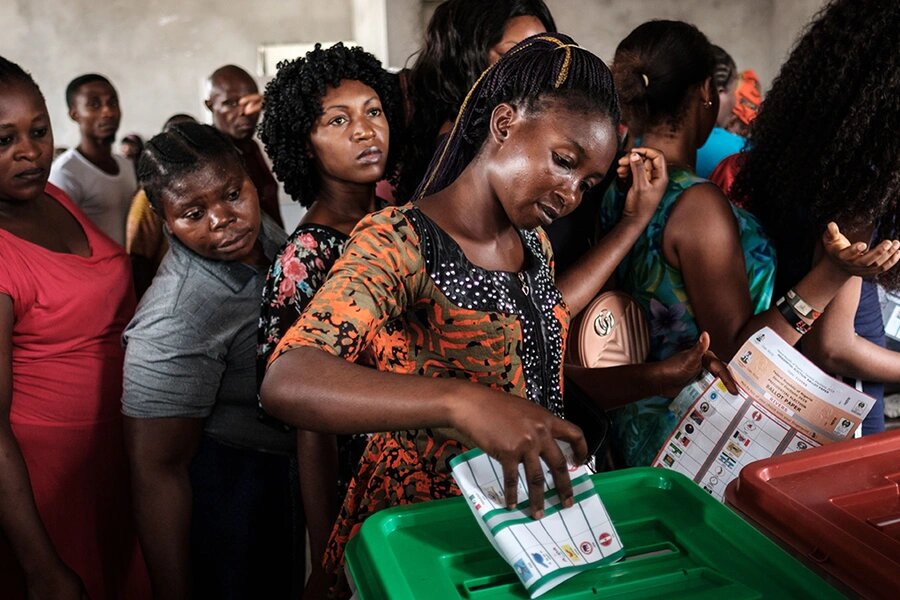
In democratic societies, elections are meant to symbolize the power of the people and the legitimacy of those who govern them. They are moments of collective decision-making, civic pride, and national reflection. Yet in some countries, Nigeria included, democracy has gradually become an event rather than a lived experience. Citizens vote every four years, but they are left to survive the consequences of governance every single day.
Election seasons are often marked by heightened political activity and renewed promises. Campaign messages speak of development, economic stability, and social progress. For a brief period, citizens are reminded of their role in shaping the nation’s future. However, once the ballots are cast and results announced, the intensity fades. Governance retreats into distant offices, while everyday realities poverty, insecurity, unemployment, and rising living costs return with relentless force.
For the ordinary citizen, survival is not a metaphor. It is a daily negotiation with hardship. It is the struggle to afford basic necessities in the face of inflation, the frustration of unreliable public services, and the anxiety created by insecurity. Parents make difficult choices about education, healthcare, and nutrition, while young people confront limited opportunities and an uncertain future. These challenges persist regardless of electoral cycles, revealing a deep disconnect between political processes and social outcomes.
This disconnect highlights a critical flaw: democracy is too often reduced to the act of voting, while governance the responsibility to improve lives remains inconsistent. Elections alone do not constitute democracy. Without accountability, transparency, and effective policy implementation, democratic structures lose their meaning. When citizens cannot feel the impact of governance in their daily lives, democracy becomes procedural rather than practical.
Over time, this reality erodes public trust. Repeated exposure to unfulfilled promises breeds cynicism and disengagement. Many citizens begin to question the value of participation in a system that appears indifferent to their struggles. For the youth, in particular, the failure of governance translates into disillusionment, migration, or withdrawal from civic life. A democracy that cannot inspire belief risks losing its foundation.
In response to institutional shortcomings, citizens often rely on resilience. Communities adapt, informal economies expand, and individuals create survival strategies outside formal systems. While this resilience reflects strength and ingenuity, it should not be mistaken for progress. A nation should not depend on the endurance of its people to compensate for ineffective governance. Survival is a symptom of failure, not a marker of success.
True democracy must extend beyond the ballot box. It must be evident in the quality of public services, the fairness of economic opportunities, the safety of communities, and the dignity afforded to citizens. Democratic dividends are not abstract ideals; they are tangible improvements in everyday life. Without these dividends, democracy remains incomplete and fragile.
Conclusion
A country that votes every four years but survives every day faces an urgent democratic challenge. Democracy cannot be sustained as a periodic exercise disconnected from the lived experiences of the people. For it to be meaningful, governance must be continuous, responsive, and people-centered. Leaders must recognize that legitimacy is not secured solely through elections but earned daily through policies that alleviate hardship and promote collective well-being. Until democratic governance delivers consistent and visible benefits, citizens will continue to endure rather than thrive and the promise of democracy will remain unfulfilled.