Forgotten Dairies
Court Reaffirms Constitutional Force of Presidential Pardon, Orders Reinstatement of 70 Soldiers -By Daniel Nduka Okonkwo
The ruling also serves as an important reminder that constitutional powers are not symbolic gestures. Their legal consequences must be respected across all organs of government, including the Armed Forces. At the same time, the court carefully balanced constitutional rights with established principles of employment law by declining to award salaries for periods during which no service was rendered.

Some battles are fought with weapons, others with the law. The judgment of the National Industrial Court of Nigeria in Suit No. NICN/LA/54/2023 demonstrates that both serve the same constitutional purpose: the protection of justice. Soldiers once carried arms in defence of the nation, while lawyers carried constitutional arguments into the courtroom. By ordering the reinstatement of 70 pardoned soldiers, the court affirmed that the rule of law is not merely symbolic. Constitutional powers, once lawfully exercised, must be respected and given full legal effect by every institution of government.
In a landmark judgment delivered on July 20, 2026, Justice S.A. Yelwa ordered the Nigerian Army to immediately reinstate 70 soldiers who were convicted by courts-martial in 2014 and later granted an unconditional presidential pardon by former President Muhammadu Buhari. The court further directed that the soldiers be paid all salaries, allowances, and other emoluments accruing from July 18, 2022, the effective date of the pardon, until their actual reinstatement.
The decision settles an important constitutional question: What is the legal effect of an unconditional presidential pardon under Section 175 of the 1999 Constitution?
According to the court, such a pardon completely extinguishes the legal consequences flowing from a conviction. Since the soldiers’ dismissal from the Nigerian Army was a direct consequence of their convictions by courts-martial, the court held that the dismissals could no longer stand once the President exercised his constitutional prerogative of mercy.
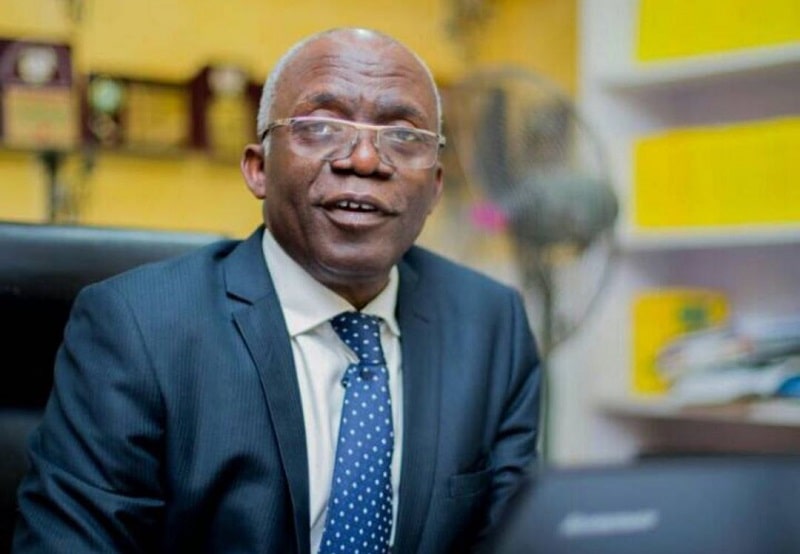
The 70 soldiers instituted the action against the Attorney General of the Federation and the Chief of Army Staff after military authorities allegedly failed to act on their request for reinstatement despite the presidential pardon. They were represented by Falana & Falana Chambers.
The claimants were among soldiers tried before various courts-martial in 2014 on allegations relating to conspiracy and mutiny. They were initially sentenced to death, but their sentences were subsequently commuted to ten years’ imprisonment on administrative review. After serving their prison terms, former President Muhammadu Buhari exercised his constitutional powers under Section 175 of the Constitution and granted them an unconditional pardon.
The pardon was formally contained in the Instrument of Grant of Pardon 2022, published in the Federal Republic of Nigeria Official Gazette No. 137, Vol. 109, dated July 29, 2022. The pardon took legal effect on July 18, 2022, the date the court used to calculate the soldiers’ financial entitlements, while July 29, 2022, marks only the later date of its formal publication in the Gazette.
Following the pardon, the soldiers, through their legal representatives, wrote to the Chief of Army Staff on November 7, 2022, requesting reinstatement and payment of their outstanding salaries and allowances. Although Army Headquarters acknowledged receipt of the letter on November 9, 2022, no further action was taken, leading to the institution of the suit before the National Industrial Court.
Before the court, Funmi Falana, SAN, leading Chukwuma Onwumene, argued that an unconditional presidential pardon removes every legal disability arising from a conviction. Relying on Nigerian, English, and American judicial authorities, counsel submitted that a full pardon restores the beneficiary’s legal rights and privileges, including employment rights lost solely because of the conviction.
The Attorney General of the Federation, represented by Mrs. Omobolanle Aina, argued that while a pardon forgives the offence and restores civil rights, it does not erase the historical fact of conviction or automatically entitle a person to reinstatement. The Federal Government also maintained that salaries could not be paid for periods during which the claimants neither rendered service nor remained in active employment.
Significantly, the Chief of Army Staff neither entered an appearance nor filed a defence, leaving the claimants’ evidence substantially unchallenged.
Justice Yelwa found that the documentary evidence, particularly the Official Gazette containing the Instrument of Grant of Pardon, conclusively established that all 70 claimants were beneficiaries of the presidential pardon granted on July 18, 2022.
The court rejected the Federal Government’s argument that the dismissals could survive the pardon. It held that the dismissals were not independent administrative sanctions but direct legal consequences of the convictions by courts-martial. Once those convictions were constitutionally neutralized through the presidential pardon, the legal basis for the dismissals equally ceased to exist.
The judgment further observed that permitting the dismissals to remain in force despite an unconditional pardon would effectively subordinate the President’s constitutional powers to administrative decisions of the military authorities, an outcome inconsistent with the Constitution.
Justice Yelwa also clarified that although the practical process of reinstatement remains an administrative responsibility of the Nigerian Army, the claimants had already acquired an enforceable legal right to be restored to service. The Army’s prolonged failure to act on the presidential pardon was therefore an administrative omission that the court was competent to remedy.
On the issue of financial claims, however, the court declined to award salaries and allowances for the period between December 17, 2014, and July 17, 2022. The court reasoned that although the pardon erased the legal consequences of the convictions, it did not create a retrospective entitlement to remuneration for years during which the claimants neither served in the Army nor performed official duties because they were imprisoned. The Instrument of Grant of Pardon itself contained no provision directing the payment of retrospective salaries, and the claimants produced no contractual or statutory basis supporting such a claim.
Consequently, the court held that the soldiers became entitled to salaries, allowances, and other emoluments only from July 18, 2022, the date the presidential pardon took effect.
The National Industrial Court therefore declared that the presidential pardon completely extinguished the claimants’ convictions, sentences, and dismissals from the Nigerian Army. It ordered the Chief of Army Staff to immediately reinstate all 70 soldiers with effect from July 18, 2022, and directed the payment of all salaries, allowances, and other emoluments accruing from that date until their actual physical reinstatement. The claim for salaries covering the earlier period was dismissed, and no order as to costs was made.
This judgment carries implications far beyond the fate of 70 former soldiers. It reinforces a fundamental constitutional principle: when the President lawfully exercises the prerogative of mercy under Section 175 of the Constitution, public institutions cannot selectively recognize that decision. Administrative authorities are bound to give full effect to constitutional acts unless they are set aside by a competent court.
The ruling also serves as an important reminder that constitutional powers are not symbolic gestures. Their legal consequences must be respected across all organs of government, including the Armed Forces. At the same time, the court carefully balanced constitutional rights with established principles of employment law by declining to award salaries for periods during which no service was rendered.
By drawing that distinction, the National Industrial Court reaffirmed both the supremacy of the Constitution and the limits of judicial intervention. As questions of executive clemency, military justice, and constitutional governance continue to arise in Nigeria, this judgment is likely to remain an important judicial authority on the legal scope and consequences of the President’s prerogative of mercy.
Editorial Note: This editorial is based on a statement issued by Tayo Soyemi of Falana & Falana Chambers on July 26, 2026, to Daniel Nduka Okonkwo of Profiles International Human Rights Advocate. The factual account of the proceedings is drawn from that statement and the judgment, while the analysis and opinions expressed are those of the author.