Africa
Dangote: The Nigerian Oil Sector Game Changer, by Turaki Abdulhamid Yahya

In the vast landscape of Nigerian industry, Aliko Dangote stands as a towering figure, not just for his formidable business acumen but also for his proactive approach to some of the country’s most pressing issues. One of the most significant challenges Nigeria faces is the volatile nature of fuel prices, a problem that has historically caused widespread economic disruption and social unrest. Dangote’s recent ventures, particularly his investment in the refining sector, have positioned him as a pivotal player in addressing this critical issue. Fuel prices in Nigeria have long been a source of economic instability. Fluctuations in global oil prices, combined with domestic supply chain inefficiencies and infrastructure deficits, have led to inconsistent fuel availability and soaring prices. This has adversely affected the cost of living for many Nigerians, increased the prices of goods and services, and sparked frequent protests. The Nigerian government’s attempts to manage the situation through subsidies and price controls have often fallen short, leading to frequent shortages and a growing dependency on imported refined products.

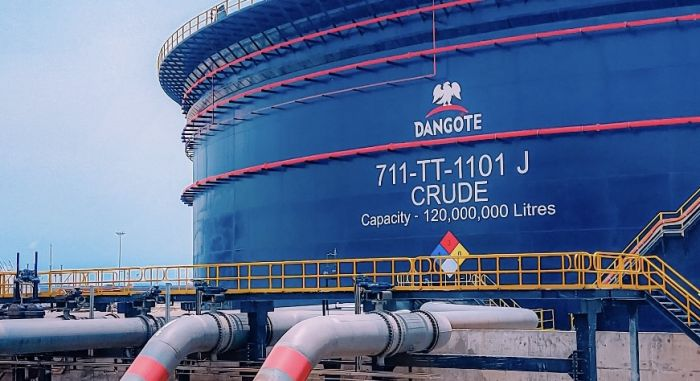
Dangote’s approach to solving this problem is both strategic and innovative. His company, Dangote Refinery, is poised to be a game-changer in the Nigerian oil sector. Set to be one of the largest refineries in the world, it promises to significantly alter the dynamics of fuel production and pricing in Nigeria. By establishing a domestic refining capacity of this magnitude, Dangote aims to reduce the country’s reliance on imported fuels, which have been subject to fluctuating global prices and complex supply chain issues. This self-sufficiency in refining is expected to stabilize local fuel prices by mitigating the impact of international price swings and reducing logistical costs associated with importing refined products. The refinery will not only address the issue of fuel prices but also create jobs, boost local industries, and contribute to the country’s overall economic growth.
The impact of Dangote’s refinery on fuel prices can be assessed from several angles. Firstly, by increasing domestic refining capacity, the project is expected to enhance the supply of fuel within Nigeria, which should help reduce the frequency and severity of shortages. With more fuel available locally, the dependency on imports will decrease, leading to more stable pricing. Additionally, the refinery’s presence will foster competition within the local market, potentially driving down prices further as other players are incentivized to enhance their own efficiency and pricing strategies. The economic benefits extend beyond just the fuel sector. The construction and operation of the refinery are likely to have a cascading effect on other industries, from transportation to manufacturing, all of which are sensitive to fuel costs. Lower fuel prices and a more stable supply will reduce operational costs for these sectors, potentially leading to lower prices for consumers and enhanced economic activity across various segments of the economy.
Moreover, the Dangote Refinery aligns with broader economic goals for Nigeria. It supports the government’s vision of achieving greater industrialization and economic diversification. By investing in refining capabilities, Nigeria is taking a step towards reducing its dependency on oil exports and addressing the imbalances created by fluctuating global oil prices. This move not only helps stabilize the domestic market but also strengthens Nigeria’s position as a significant player in the global oil industry. The ripple effects of this investment are likely to be felt across various sectors, driving growth and development in ways that align with national economic objectives.
IN CONCLUSION.
Aliko Dangote’s efforts in addressing the issue of fuel prices in Nigeria represent a crucial intervention in a long-standing economic challenge. His investment in the Dangote Refinery is set to bring about transformative changes in the local fuel market by enhancing refining capacity, reducing import dependency, and stabilizing fuel prices. The broader implications of this investment extend to job creation, economic growth, and industrial advancement, reflecting Dangote’s commitment to solving significant national problems through innovative and impactful solutions. As Nigeria continues to navigate the complexities of its economic landscape, Dangote’s approach offers a beacon of hope for a more stable and prosperous future.