
National Issues
When The Lion Falls: A Cautionary Tale From The Bush -By Isaac Asabor
And in a nation, if decisive action is delayed, the consequences are far more devastating. The message is clear: strengthen the military, empower intelligence, support the troops, and protect the people. Anything less is a gamble Nigeria cannot afford.


In the deep, ancient forests of African folklore, wisdom is rarely shouted, it is whispered through stories, symbols, and proverbs. Among the most striking is the tale captured in the saying: “When the tortoise hears that the hyena has killed the lion, it turns back on its journey.” It is not just a clever line. It is a survival manual.
The lion, in the natural order, represents strength, authority, and dominance, the undisputed king. The hyena, though cunning and dangerous, is typically seen as inferior in raw power. So, when the news spreads that the hyena has killed the lion, something fundamental has shifted. The natural order has collapsed. The rules are no longer what they used to be.
And the tortoise, slow, thoughtful, and wise, understands immediately what this means. It does not continue forward out of pride. It does not pretend bravery where there is none. It turns back. That single act of retreat is not cowardice. It is intelligence.
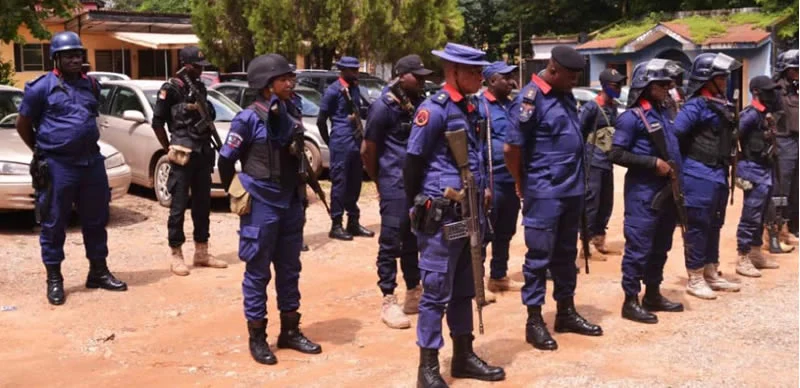
Now, bring this proverb home to present-day Nigeria. When news breaks that a high-ranking military general, a man trained in warfare, surrounded by armed escorts, backed by the full machinery of the state, has been killed by bandits or insurgents like Boko Haram, the implications are chilling. This is not just another casualty in a long list of security challenges. It is the equivalent of the lion falling.And when the lion falls, every creature in the forest must rethink its safety.
If a general, with years of combat experience, intelligence briefings, armored protection, and access to advanced weaponry, can be ambushed and killed, then what does that say about the fate of ordinary Nigerians? The traders in the market, the farmers in the village, the students on a highway bus, the journalists chasing a story, what protection do they truly have? This is the uncomfortable question the nation must confront.
The death of such a high-profile military figure is not just a tragedy, it is a signal. A signal that the balance of power is shifting in ways that should alarm every citizen. It suggests that those tasked with defending the nation are themselves increasingly vulnerable. And if the defenders are vulnerable, then the defenseless are exposed. Like the tortoise, Nigerians are being forced to read the signs.
Across the country, people are already adjusting their behavior. Farmers abandon fertile lands for fear of abduction. Travelers avoid certain highways after dusk. Communities form vigilante groups, not out of choice, but out of desperation. Parents worry every time their children leave home. These are not signs of a society at ease, they are signs of a people quietly retreating, just like the tortoise.
But here is the danger: while individuals can retreat, a nation cannot. Nigeria cannot simply “turn back on its journey.” It cannot abandon its roads, its farms, its schools, or its future. Retreating is not an option. That is why the burden falls squarely on the government to act decisively and urgently.
The lesson of the proverb is not just about retreat, it is about recognizing danger and responding wisely. Right now, the danger is clear.
The persistence, and in some cases, boldness, of bandit groups and insurgents suggests that they are not only surviving but adapting. They are becoming more organized, more daring, and more capable of striking high-value targets. This should worry anyone who understands how conflicts evolve. When non-state actors begin to challenge state forces successfully, the situation can spiral quickly if not contained.
So what must be done? First, the Nigerian military must be strengthened, not just in numbers, but in capacity. This means better equipment, improved intelligence gathering, and modern surveillance technology. It means ensuring that troops on the ground are not outgunned or outmaneuvered. It also means addressing internal issues such as morale, welfare, and logistics. A soldier who is poorly equipped or inadequately supported cannot effectively defend the nation, no matter how brave.
Second, intelligence must become the backbone of security operations. In modern conflicts, information is often more powerful than firepower. Knowing where threats are emerging, how groups are operating, and who is supporting them can make the difference between prevention and reaction. Nigeria must invest heavily in intelligence networks, both technological and human.
Third, there must be accountability and coordination. Security failures cannot simply be absorbed and forgotten. Each incident, especially one involving the loss of a senior military officer, must be thoroughly investigated. What went wrong? Was it a lapse in intelligence, a logistical failure, or a tactical error? Without honest answers, the same mistakes will be repeated.
Fourth, community engagement is essential. The fight against banditry and insurgency cannot be won by the military alone. Local communities often have valuable information, but fear prevents them from speaking out. Therefore, building trust between security forces and civilians is critical. People must feel safe enough to share information without risking their lives.
Finally, there must be political will. Security challenges of this magnitude cannot be addressed with half-measures or temporary fixes. They require sustained commitment, clear strategy, and decisive leadership. The government must treat this not as a routine issue, but as an existential threat to national stability. Because that is what it is.
The death of a military general at the hands of bandits or insurgents is not just a headline, it is a warning. A warning that the lines between power and vulnerability are blurring. A warning that the “lion” is no longer invincible. And when the lion is no longer invincible, the entire forest is at risk.
But unlike the tortoise, Nigerians cannot simply turn back. They cannot abandon their journey. They must move forward, but with a renewed demand for safety, accountability, and action. This is where the proverb evolves from a story into a call to action.
Yes, the tortoise turns back, but only because it has no power to change the situation. Nigeria, however, does have that power. Through strong leadership, strategic investment, and collective resolve, the country can restore balance. It can ensure that those who threaten its peace do not gain the upper hand.
The question is whether it will act in time. Because in the forest, once the lion falls, chaos does not wait politely. It spreads.
And in a nation, if decisive action is delayed, the consequences are far more devastating. The message is clear: strengthen the military, empower intelligence, support the troops, and protect the people. Anything less is a gamble Nigeria cannot afford.

























You must be logged in to post a comment Login