
Forgotten Dairies
Abubakar Malami And The Northwest Regional Campaign Manifesto (Part 2) -By Hajia Hadiza Mohammed
A look at the manifesto highlighted indicates that it was designed to tackle these challenges confronting the region. In the next essay in this serious, I will highlight the economic potentials of the region and try to establish the correlation between the challenges, opportunities and the presented manifesto.

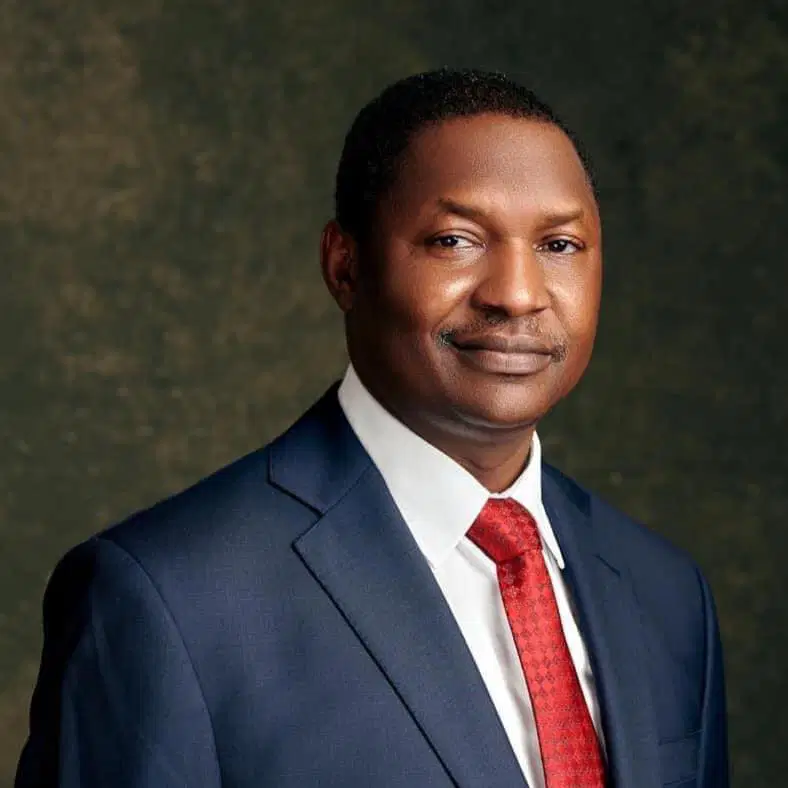
In the first part of this essay earlier published I tried to explain what campaign manifesto is, the significance and purpose and what it tells about the one seeking elective position. And then I examined in brief the contents of the manifesto presented by Abubakar Malami, SAN, jointly with the African Democratic Congress (ADC) gubernatorial candidates for the seven Northwestern states. And I concluded by stating that the manifesto is good for the region in view of its peculiarities. It shows that those who designed and presented the manifesto are truly abreast of the needs of the region that they want to govern. In my opinion, the document can be classified as a grassroots development manifesto. It is like a blueprint for development and transformation of the North-west region.
An examination of the manifesto indicates that the focus of the presenters is on healthcare reform, Agriculture, education and regional security. In this and the subsequent essays in this series I will make attempt explain why the manifesto is suitable for the region by examining the problems as well as the challenges of the region.
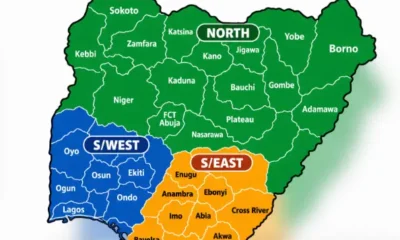
The North West geo-political region is the biggest in Nigeria comprising 7 states namely: Jigawa, Kaduna, Kano, Katsina, Sokoto and Zamfara. Geographically, the region has Tropical Savanna climate, Sahel Savanna vegetation and fertile land suitable for agriculture. It has a total land area of diverse landscapes approximately 212,065 square kilometer. Based on the 2006 Nigerian census figure, the region could be said to be the most populated part of the country with a population of 35,915,467 people. The population which is mostly of Hausa-Fulani ethnic group is expected to be over 50 million today. The region has a huge population of rural, sub-urban and urban dwellers, the major cities being, Kano, Kaduna, Zaria, Sokoto, Katsina, Gusau, Birnin-Kebbi, Dutse, Funtua, Daura inter alia. The states in the region have huge natural resources and potentials for growth and development but they beset by a myriads of problems.
The states in the region are facing the same problems and challenges; an admixture of a complex political, economic, security, and social challenges. The number one problem facing the North-West region of Nigeria today is that of insecurity and armed banditry. In recent times, the region has regressed from that of a peaceful agrarian, cultural and tourist destination to become one of the most vulnerable zones of the country today due insurgency and banditry. Heavily armed criminal gangs routinely raid villages and rural settlements, carry out mass abduction that result in deaths and displacements of innocent citizens and highway kidnappings for ransom. Sometimes too, schools are raided and pupils carried into captivity for ransom. A huge swathe of the territories especially large forests such as the Kamuku and Rugu forests, spanning the region are in the control of the bandits where they run their own informal government structure, imposing taxes on the people and adversely restricting farming activities that is the mainstay of the economy of the region. There is also the intractable problem of farmers-herdsmen clashes over grazing land and cattle rustling. The security problems of the region has drastically reduced agriculture and mobility of economic resources within the region.
The problem of insecurity in the region is exacerbated by the issue of poor border management by the Nigerian government. The North-West region shares a massive porous land border with Niger. And the weak border policing allows uncontrolled influx of undocumented individuals, some fleeing from criminal prosecution in their country into Nigeria. And because of cultural similarities between the people of North West and those of the people of the Sahel Region those illegal immigrants are not usually easily distinguishable from the indigenes. This also facilitates the proliferation of small arms and light weapon, making it easier for the criminal networks to operate freely.
Another problem of the region which is also connected to insecurity is the issue of resource theft and illegal mining. Apart from fertile arable land, the region is blessed with abundant untapped mineral resources. The region is rich with commercially viable solid minerals. Gold is found in Zamfara, Kaduna, Kano, Jigawa and Kebbi. There is iron ore, copper, limestone, kaolin, phosphate and many others. But, unfortunately the people are being denied the benefits of these natural endowment due to illegal mining resulting from weak regulatory oversights. What would have been a blessing to the people is turned to a curse as the illicit mining has been identified as one of the major causes violence and banditry in the region.
Also connected to the problem of insecurity in the region is poverty and socio-economic deprivation. The problem of insecurity has greatly disrupted economic activity especially farming in the region. The North-West region is predominantly agrarian with about 80% of the population engaged in agriculture and its allied activities. The surge of banditry and farmers-herders skirmishes have given farmers restricted access to their farms and has crippled food production and escalated rural poverty. This has also created high youth unemployment, a phenomenon that forced many frustrated youths into joining criminal syndicates and insurgency. The region is also lacking basic socio-economic infrastructure. The North-West Development Commission (NWDC) established by the federal government is not funded enough to carry out the required programs and projects for economic development of the region.
Moreover, the region is facing acute humanitarian crisis brought about by insecurity and economic hardship. The region has a huge population of internally displaced person (IDPs) in different camps spread throughout the region. There is acute malnutrition among children, lack of necessary healthcare infrastructure and other social amenities. The region has the worst mortality rate and worse life expectancy index in the country.
In addition, there is the problem of low education and low human capital development in the region. The region has the lowest human development indices in Nigeria. The literacy level is very low and the number out-of-school children is highest in the region at over 8 million according to UNICEF, caused by poverty, closure of school due to insecurity and the moribund Alimajiri system. The education deficit makes the uneducated youths lack requirement for formal employment and makes them vulnerable to recruitment into armed banditry and informal militias.
A look at the manifesto highlighted indicates that it was designed to tackle these challenges confronting the region. In the next essay in this serious, I will highlight the economic potentials of the region and try to establish the correlation between the challenges, opportunities and the presented manifesto.
To be continued.
Hajia Hadiza Mohammed
hajiahadizamohammed@gmail.com
An actress, social activist, politician
London, UK.




























You must be logged in to post a comment Login