National Issues
Dying, Dying, and Dying—The Nigerian Railway Corporation, by Prince Charles Dickson

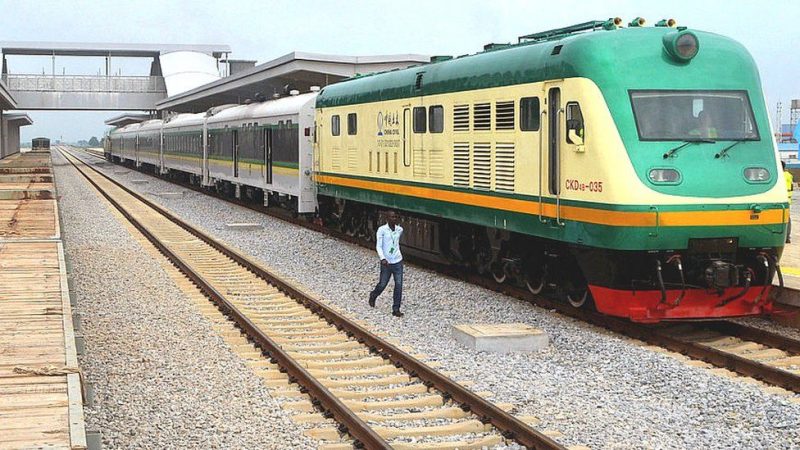
I’m on a train that has been standing in the middle of the fields for a while. The driver eventually comes on the intercom.
Driver: “Ladies and gentlemen, I have good news and bad news. The bad news is that the engine of the train has stopped, and I cannot get it restarted. The good news is that you’re not on an airplane.”
The Nigerian Railway Corporation (NRC) has long been a symbol of potential gone awry. Once an essential part of Nigeria’s transportation network, the NRC has slowly deteriorated into a state of dysfunction. The hopes of connecting Nigeria’s vast regions, facilitating trade, and boosting economic growth now seem like distant memories as the NRC’s infrastructure crumbles, its services falter, and its future grows uncertain. While other African countries have made remarkable progress in rail transportation, Nigeria lags far behind, raising critical questions about what went wrong and how it can be revitalized.
I had to do this admonition after I visited one of the railway terminals scattered across the nation, this particular one at least was being put to some use; it was now a police station, but as relics, and a big signpost of the Nigerian Railway with the R out of place, you could see what was, and what could have been lying around, and rotting away, from recovered stolen rail tracks, to other machinery.
It is sad thatin the past 50 years, several African nations have recognized the transformative potential of an efficient rail system and have taken bold steps to modernize their railway infrastructure. Egypt, with its extensive upgrades to the Cairo-Alexandria rail line, stands as a prime example of a nation harnessing rail transport to bolster its economy. South Africa’s Gautrain, a rapid transit marvel, seamlessly connects Johannesburg, Pretoria, and the O.R. Tambo International Airport, showcasing the possibilities of a modern rail network. Morocco’s Al Boraq high-speed rail line is another example of how a vision for the future can revolutionize mobility and trade in a region.
East Africa has also seen dramatic advancements. Ethiopia’s Addis Ababa-Djibouti Railway, Kenya’s Standard Gauge Railway (SGR), and Tanzania’s rail system upgrades have set these nations on a path toward greater economic integration and development. Similarly, in West Africa, countries like Ghana are making strides in overhauling their railways, positioning themselves for future growth.
In stark contrast, the Nigerian Railway Corporation has struggled to escape its archaic past. While other African nations have embraced change, adopting new technologies, and expanding services to meet growing demands, Nigeria’s railway system remains largely outdated, underfunded, and woefully underdeveloped. Once a key player in Nigeria’s economic ambitions, the NRC is now a shadow of its former self, offering a cautionary tale of missed opportunities and systemic neglect.
The decline of the Nigerian Railway Corporation has been a result of a range of factors, many of which have accumulated over decades of mismanagement and underinvestment. These challenges include:
- Aging Infrastructure: The majority of NRC’s rail tracks, rolling stock, and signaling systems date back decades, making them unreliable and unsafe. Without proper upgrades, the NRC faces frequent derailments, delays, and breakdowns.
- Inadequate Funding: A chronic lack of investment from both the government and the private sector has hampered the NRC’s ability to maintain, let alone upgrade, its infrastructure. Investment is sporadic and insufficient to cover the expansive needs of the railway system.
- Corruption: Like many Nigerian institutions, the NRC has been plagued by allegations of corruption. Funds earmarked for improvements are often diverted, while management inefficiencies further erode trust and progress.
- Lack of Modernization: While much of the world has adopted digital technologies, high-speed trains, and improved safety measures, the NRC has remained stuck in the past. Antiquated equipment and technologies render it uncompetitive in a rapidly changing transportation sector.
- Security Concerns: Vandalism, theft, and terrorism have severely affected the NRC. Rail lines and stations have been frequent targets, disrupting services and discouraging potential passengers and investors.
- Poor Management: Leadership at the NRC has been marked by inconsistency and inefficiency. Poor planning, lack of vision, and a failure to execute projects have all contributed to the corporation’s decline.
- Over-Reliance on Government Funding: The NRC’s dependency on fluctuating government budgets makes it vulnerable to political interference. Without steady and sufficient funding, critical maintenance and expansion plans are frequently abandoned.
- Lack of Private Sector Investment: The private sector, which could bring much-needed capital and expertise, has largely stayed away due to the NRC’s inefficiencies, corruption, and lack of transparency. Public-private partnerships, which have been successful in other nations, remain underutilized in Nigeria.
- Environmental Challenges: Flooding, erosion, and desertification affect rail infrastructure in Nigeria. These environmental challenges, if unaddressed, will continue to hamper rail operations and increase maintenance costs.
- Competition from Other Modes of Transportation: With the rise of road and air travel, particularly in regions with poor rail connectivity, the NRC has lost passengers and freight customers, further reducing its revenue base.
The consequences of the Nigerian government’s long-standing neglect of the NRC are far-reaching and detrimental to the country’s overall development.
- Economic Growth: A robust railway system is essential for moving goods and people efficiently across vast distances. Without it, Nigeria’s trade and industrial potential remain stifled. Freight costs increase, businesses suffer, and regional trade integration is hampered.
- Job Creation: A revitalized railway network could create thousands of direct and indirect jobs, from engineers and conductors to construction workers and service providers. These opportunities are currently lost as the system remains underutilized.
- Safety: The outdated infrastructure poses severe safety risks to both passengers and freight. Derailments, accidents, and equipment failures are increasingly common, creating a dangerous environment for users.
- Environmental Impact: The decline of the rail network has increased Nigeria’s reliance on road transport, contributing to higher carbon emissions, congestion, and deteriorating road infrastructure. A functional rail system could reduce the environmental footprint of transportation in Nigeria.
While the challenges facing the Nigerian Railway Corporation are immense, they are not insurmountable. Several steps can be taken to breathe new life into the NRC and reposition it as a vital part of Nigeria’s infrastructure:
- Investment in Modern Infrastructure: The government must prioritize upgrading tracks, rolling stock, and stations to international standards. High-speed rail lines, improved signaling systems, and modern train stations will enhance safety, efficiency, and user satisfaction.
- Adopting New Technologies: Digitalization, such as the use of automated ticketing systems and real-time tracking, can improve operations. Integrating renewable energy sources and sustainable practices will ensure the NRC remains competitive in a rapidly changing global market.
- Improving Safety Standards: The implementation of stringent safety protocols and continuous monitoring will reduce accidents and build passenger confidence. This includes staff training and the installation of advanced safety equipment.
- Addressing Corruption and Mismanagement: The NRC needs a transparent and accountable management system. Anti-corruption measures must be enforced to restore faith in the institution and attract investment.
- Encouraging Private Sector Investments: Public-private partnerships can unlock vast resources for the NRC, providing funding for expansion, innovation, and maintenance. With proper regulation and incentives, private investors can help revamp the rail system.
- Developing Effective Leadership: A competent, visionary leadership team that understands modern transportation needs is essential. This requires appointing experienced professionals to key positions and holding them accountable for results.
- Implementing Regulatory Reforms: A robust regulatory framework is needed to ensure that the NRC adheres to international standards in operations, safety, and customer service.
The decline of the Nigerian Railway Corporation is a stark reminder of the consequences of systemic neglect and poor governance. As other African nations embrace the future with bold rail projects, Nigeria risks being left behind. However, the NRC’s revitalization is not just a dream; it is a necessity. Without a modern, functional railway system, Nigeria will struggle to achieve its full economic potential. Now is the time to prioritize investment, embrace innovation, and restore faith in an institution that once held so much promise. The consequences of continued neglect are too severe to ignore—economic stagnation, job losses, environmental degradation, and further erosion of national infrastructure—May Nigeria win
—
Prince Charles Dickson PhD
Team Lead
The Tattaaunawa Roundtable Initiative (TRICentre)
Development & Media Practitioner|
Researcher|Policy Analyst|Public Intellect|Teacher
234 803 331 1301, 234 805 715 2301
Alternate Mail: pcdbooks@yahoo.com
Skype ID: princecharlesdickson