Education
From Pride to Neglect: Nigeria’s Public Schools in Crisis -By Abdulhaq Ibn Luqman
Public schools should not be institutions of last resort. They must be centers of excellence, ensuring that every child, regardless of background, has access to quality education. The cost of neglect is not just educational—it is economic, social, and moral. Nigeria’s future depends on the classrooms it rebuilds today.

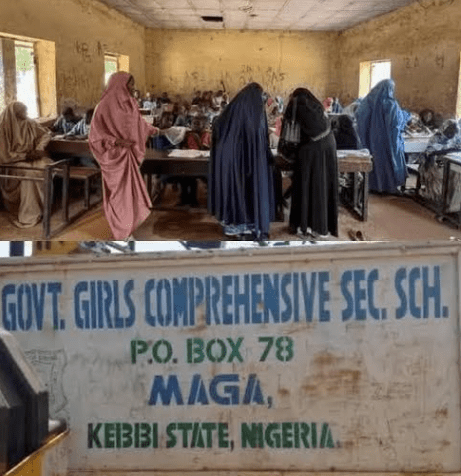
Nigeria’s public education system, once a cornerstone of national pride and a training ground for many of the country’s leaders, is today in crisis. Parents increasingly abandon government schools, opting for private institutions at significant financial cost, while weak oversight and governance have allowed the system to deteriorate. This shift is reshaping the nation’s education landscape, deepening inequality, and threatening Nigeria’s long-term economic and social development.
A Legacy of Excellence
Public schools in Nigeria were once renowned for producing highly educated and disciplined graduates. Leaders such as former President Olusegun Obasanjo, Chief Bola Ige, and many other influential figures attended public primary and secondary schools, proving that excellence did not require private fees. During the 1960s to 1980s, over 70% of Nigerian children were enrolled in public schools, which were competitive, meritocratic, and accessible to all segments of society.
The Decline
Several factors have contributed to the deterioration of public education. Chronic underfunding, mismanagement of allocated resources, and weak oversight at federal, state, and local levels have allowed schools to fall into disrepair. Overcrowded classrooms, outdated teaching materials, and inadequate dilapidated infrastructure have become widespread. While teacher welfare is an important supportive factor, it is insufficient without proper oversight and accountability, which remain the core issues.
For example, Lagos State’s Ministry of Education reports that some urban public schools with enrolment above 1,500 students operate with fewer than 40 teachers, creating classrooms of over 70 pupils each. Meanwhile, many rural northern schools report crumbling facilities and insufficient teaching materials, leaving students without basic resources. Conversely, a few states, such as Ogun, have implemented targeted infrastructure and teacher training programs, showing that improvement is possible with oversight and commitment.
Enrollment Trends: Then and Now
Historical data shows public schools once dominated enrollment. Today, although public schools still enroll roughly 65–70% of primary students nationally, urban areas are seeing a significant shift. In Lagos, Abuja, and Port Harcourt, private schools now attract 30–35% of students, reflecting parental perception that quality education is increasingly found in fee-paying institutions. This urban-rural disparity highlights the growing inequality in access to quality education.
A Lagos parent interviewed by UNICEF in 2023 said: “We pay N120,000 a year for our child’s private school because the local public school is overcrowded and poorly equipped. It is a financial burden, but we feel we have no choice.”
Economic and Social Implications
The shift from public to private schools carries profound consequences. Families divert substantial income to private school fees, reducing savings, investments, and household financial resilience. Nationally, this two-tier education system fosters inequality, limits social mobility, and threatens the development of a skilled workforce. UNICEF Nigeria (2023) reports that households in urban centers spend up to 20% of their monthly income on private school fees—a significant strain on middle-income families.
Poor education outcomes also contribute to youth unemployment and skills gaps, limiting Nigeria’s competitiveness and innovation potential. Without intervention, these gaps could exacerbate social tensions and crime in disadvantaged communities.
Oversight Failure: The Core Issue
At the heart of the crisis is weak governance. Oversight bodies, education authorities, and policymakers have not ensured that funds are properly managed or that standards are maintained. Without accountability, temporary fixes such as improved teacher welfare or increased funding produce minimal effect. As Professor Adebayo Oyebade of the University of Ibadan notes:
“Reviving public education in Nigeria is not just about money; it is about proper monitoring, accountability, and restoring trust in the system.”
Policy Context and National Development Goals
Nigeria currently allocates about 7% of its national budget to education—below UNESCO’s recommended 15–20% for meaningful impact. Strengthening public schools aligns with Sustainable Development Goal 4 (Quality Education for All) and Nigeria’s Vision 2030, which seeks an educated, skilled workforce to drive economic growth and reduce inequality.
A Way Forward
Reviving Nigeria’s public schools demands a multifaceted approach:
1. Improved oversight and accountability for education budgets and school administration
2. Investment in infrastructure and teaching materials to modernize classrooms
3. Teacher training and welfare programs that complement strong governance
4. Policy reforms aimed at restoring public trust and making schools accessible and competitive
Public schools should not be institutions of last resort. They must be centers of excellence, ensuring that every child, regardless of background, has access to quality education. The cost of neglect is not just educational—it is economic, social, and moral. Nigeria’s future depends on the classrooms it rebuilds today.