National Issues
Google Says Its AI Is Inclusive. So Why Is Igbo Missing in Nigeria? -By Jeff Okoroafor
Google recently added Yoruba and Hausa to its AI search features in Nigeria but excluded Igbo, one of the country’s three major languages. I argue that this omission raises serious concerns about digital inclusion, linguistic equity, and cultural representation in the age of AI.

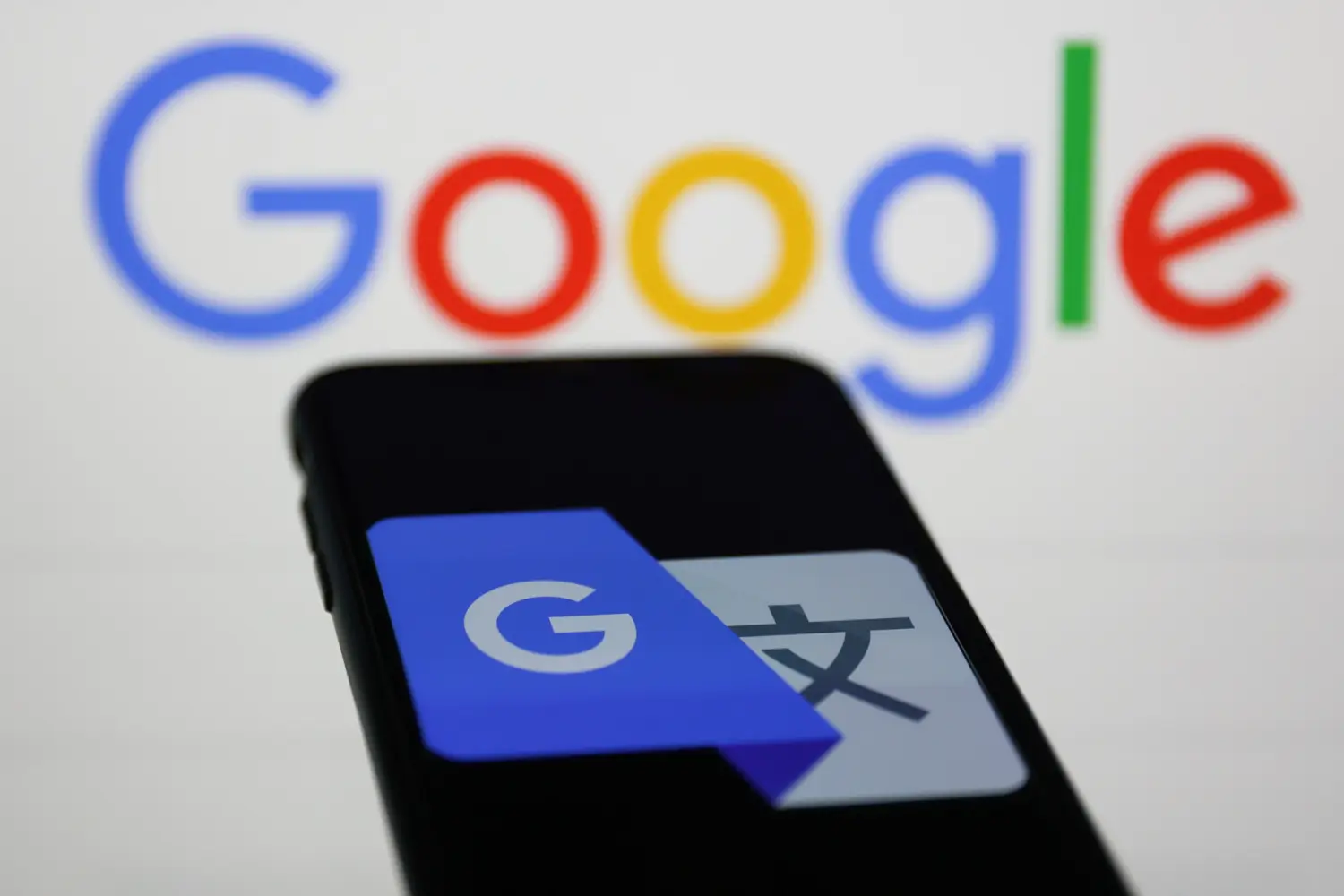
When a global technology company proclaims its commitment to inclusion, the details of its choices often reveal the truth. Recently, Google announced that its AI-powered search features — including AI Overviews and AI Mode — would now support additional African languages, notably Yorùbá and Hausa in Nigeria. The update was framed as a milestone for linguistic accessibility, part of a broader expansion bringing the number of supported African languages to 13.
But for millions of Nigerians, the announcement landed with a different resonance: the conspicuous absence of Igbo.
In a country whose cultural architecture rests on three major linguistic pillars — Hausa, Igbo and Yorùbá — the omission is not merely technical. It is symbolic. It raises uncomfortable questions about representation, corporate awareness, and the emerging politics of language in the age of artificial intelligence.
A Major Language Left Behind
Igbo is not a marginal tongue spoken by a small community. It is one of the three largest languages in Africa’s most populous nation. Linguists estimate that over eighty million of people speak Igbo natively, while the wider Igbo diaspora stretches across West Africa, Europe, and North America.
Yet in Google’s new AI language lineup — which includes languages such as Akan, Kinyarwanda, Wolof, and Setswana — Igbo is absent.
This is difficult to explain through any serious measure of linguistic importance. Igbo is not only widely spoken but also culturally and economically influential. The Igbo-speaking southeast has produced a disproportionate share of Nigeria’s entrepreneurs, academics, and cultural figures. Igbo traders dominate markets from Lagos to Accra. Igbo writers have shaped global literature, most famously Chinua Achebe, whose novel Things Fall Apart remains one of the most widely read African books in history.
To omit Igbo while claiming linguistic inclusivity risks sending a troubling message: that some cultures matter more in the digital future than others.
In the past, language representation on the internet was largely symbolic. If a language lacked digital tools, speakers could still navigate English or another global language.
Artificial intelligence changes that calculus.
AI-powered systems are rapidly becoming the primary interface through which people access knowledge, services, and communication. Search engines increasingly provide summarized answers instead of lists of links. Voice interfaces allow users to speak naturally in their native languages. Machine reasoning tools interpret context, culture, and idioms.
When a language is missing from this ecosystem, its speakers are effectively excluded from the most intuitive layer of the internet.
If the next generation of digital knowledge is mediated through AI — as companies like Google increasingly claim — then language inclusion becomes a matter not just of convenience but of digital citizenship.
The Blind Spots of Global Tech
This is not the first time global technology firms have stumbled in representing African linguistic diversity. Silicon Valley’s approach to language has often been shaped by data availability rather than cultural significance.
Languages with large digital corpora, standardized orthographies, or previous machine-learning datasets tend to be prioritized. Those with fewer digitized resources — even if widely spoken — are often left behind.
But this technical explanation does not absolve responsibility. Companies the size of Google possess the resources to build datasets where none exist, particularly when operating in markets as large as Nigeria.
Indeed, Nigeria is one of Google’s most important African markets. The country has more than 230 million people, one of the fastest-growing internet populations in the world, and a booming digital economy.
If Google can build sophisticated language models for dozens of global languages, it is difficult to argue that supporting Igbo is beyond its reach.
The Politics of Language in Nigeria
Language in Nigeria is never purely linguistic; it is political.
The country’s three largest ethnic groups — Hausa, Igbo, and Yorùbá — form the backbone of its demographic balance. Government policies, federal appointments, and national debates frequently reflect efforts to maintain equilibrium among these groups.
In such a context, the exclusion of one major language — especially Igbo — inevitably touches historical nerves.
The Igbo people carry a complex political history within Nigeria, shaped by the traumatic legacy of the Nigerian Civil War. Even decades later, many Igbo citizens remain sensitive to signs of marginalization in national institutions.
For a multinational company to inadvertently echo those patterns — even unintentionally — risks reinforcing perceptions of exclusion.
Cultural Survival in the AI Era
Beyond politics lies an even deeper issue: the survival of languages themselves.
Digital ecosystems increasingly determine whether languages thrive or decline. Young people gravitate toward the languages they see represented in technology — in keyboards, voice assistants, translation tools, and search engines.
When a language is absent from major platforms, it gradually becomes less useful in digital life. Over time, this can accelerate language shift toward dominant languages like English.
In other words, AI inclusion is not merely about convenience; it can influence whether languages remain vibrant in the 21st century.
For Igbo, a language already facing pressures from urbanization and English dominance, representation in global technology platforms could play a crucial role in its preservation.
Inclusion Requires More Than Statements
Google’s regional spokesperson emphasized that building global search requires “a nuanced understanding of local information.” That statement is correct. But nuance requires listening carefully to the communities one serves.
True linguistic inclusion in Nigeria cannot stop at two of the country’s three major languages.
If Google genuinely intends to make AI systems “inclusive, culturally relevant, and accessible,” the company should treat Igbo not as an afterthought but as a priority.
The path forward is clear: collaborate with Nigerian universities, linguists, and local technology communities to build the datasets and language models needed for Igbo integration. The talent exists. The demand certainly does.
What is required is the will.
The Stakes
Artificial intelligence will shape how billions of people interact with knowledge in the decades ahead. The languages included in these systems will help determine whose voices are heard — and whose are quietly sidelined.
By excluding Igbo from its latest AI language rollout, Google has missed an opportunity to demonstrate what genuine inclusion looks like in Africa’s largest country.
The oversight may be correctable. But if companies truly believe that technology should serve the whole world, then they must remember a simple truth: No society feels included when one of its foundational languages is missing from the conversation.

Jeff Okoroafor
Jeff Okoroafor is a social accountability advocate and a political commentator focused on governance, accountability, and social justice in West Africa.