Africa
If Bugaje’s Claims That APC Is Monetizing Defection Is True, Then Nigeria’s Democracy Is On A Dangerous Path -By Isaac Asabor
Usman Bugaje is right to raise the alarm. We should not wait until democracy collapses entirely before we start holding those in power accountable. Nigerians must demand transparency in political funding. The Independent National Electoral Commission (INEC) must be empowered and required to monitor party financing and political transactions beyond elections. EFCC must be audited independently to ensure it is not a puppet of the executive.

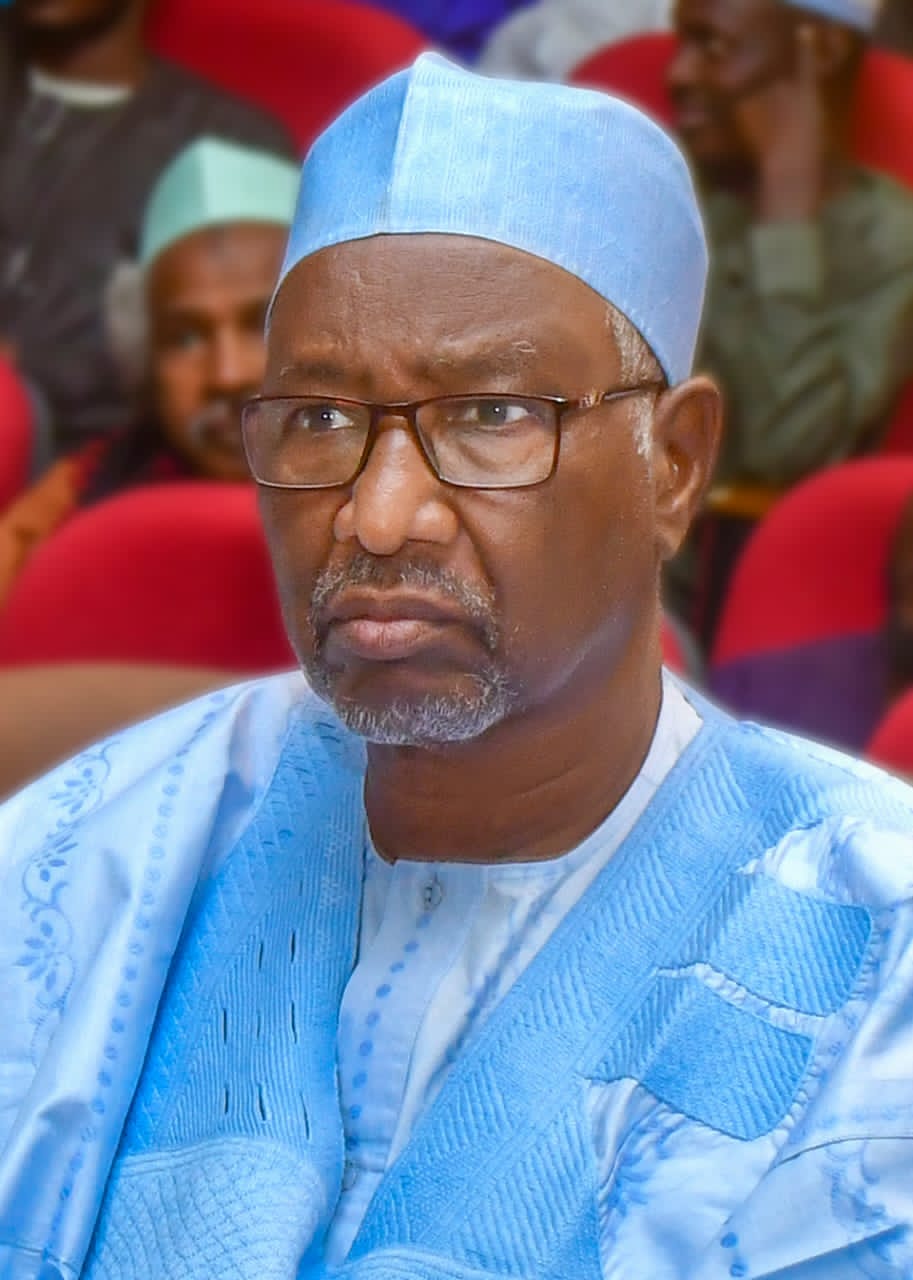
It is no more news that in a scathing revelation that raises serious concerns about the future of Nigeria’s democracy that former presidential adviser and ex-lawmaker Dr. Usman Bugaje has accused the ruling All Progressives Congress (APC) of using financial inducements to lure key figures from the PDP. Speaking on Arise TV, Bugaje warned that the blatant monetization of politics poses a grave threat to democratic values in the country. If his claims are true, Nigeria’s democracy may be on a dangerous path.
Without a doubt, if Dr. Usman Bugaje’s allegation is anything to go by, and there is every reason not to dismiss it as a mere political rant, then what the APC is doing is no less than striking at the very heart of Nigeria’s democracy. The former House of Representatives member and ex-presidential adviser did not mince words when he said that the APC is buying off members of the opposition Peoples Democratic Party (PDP) with money. If this is the truth, then democracy as we know it in Nigeria is fast becoming an expensive joke, a dark comedy directed by the highest bidder.
Let us start by acknowledging that Dr. Bugaje is not a political lightweight. His decades of experience and closeness to the corridors of power lend his statements significant credibility. So when he claims that defectors from PDP to APC are being enticed not by ideology, policy alignment, or a sudden epiphany about APC’s competence, but simply by raw cash and threats of prosecution, Nigerians must sit up and ask themselves: What exactly are we operating, democracy or dollar-cracy?
The latest defection from PDP to APC, this time involving Delta State Governor Sheriff Oborevwori and his predecessor, Ifeanyi Okowa, along with an entire army of political appointees, has left many Nigerians wondering if our democracy is now nothing more than a bazaar. One by one, opposition members are crossing over to the ruling party like traders switching shops for better sales, and the reason, according to Bugaje, is simple: money.
In any true democracy, party affiliation is ideally based on shared ideology and vision for the country. But in Nigeria, we have thrown ideology to the wind. What we are seeing is a dangerous culture where political loyalty is dictated by who can dangle the fattest envelope. This is no longer politics; it is political merchandising, and APC seems to be perfecting it.
Bugaje hints at a disturbing possibility that deserves deeper scrutiny: that some defections might be coerced through the threat of EFCC prosecution. If this is true, then the ruling party is not only weaponizing state institutions to suppress dissent, but also undermining the fight against corruption by turning it into a tool for political gain.
It would mean that instead of prosecuting offenders regardless of party affiliation, the EFCC is being selectively deployed to haunt opposition members, until they “see the light” and defect. Once they do, their sins are forgiven, and they suddenly become “born again” politicians in the APC fold. This political baptism by defection is a disgrace to the fight against corruption, and a betrayal of the very Nigerians whose votes are being manipulated by this unholy alliance of power and impunity.
Bugaje also touched on another bitter truth, there is effectively no opposition in Nigeria today. The PDP has lost its voice, its spine, and its soul. From the moment it allowed Minister Nyesom Wike to play the party like a chessboard and eventually align with the APC while still claiming PDP membership, the writing was on the wall.
The absence of a strong, vibrant, and courageous opposition is a grave threat to democracy. In democratic systems across the world, opposition parties are not just a formality; they are the lifeblood of accountability. They scrutinize policies, challenge excesses, and keep the government on its toes. In Nigeria, the opposition seems to have been pocketed, and the pockets are lined with currency notes.
What is most shocking is the silence of institutions and civil society in the face of these allegations. If indeed money is being used to buy political loyalty and EFCC is being weaponized, where are the voices of reason? Where are the legal luminaries, the electoral watchdogs, the international observers, and most importantly, the Nigerian people?
We cannot afford to normalize the abnormal. The dangerous precedent being set here is that elections and mandates mean nothing. What matters is who can spend more and threaten harder. That is not democracy, it is tyranny in the guise of electoral legitimacy.
For the APC, the short-term gains of swelling its ranks through defections may seem like a smart political strategy. But it is a ticking time bomb. A party built on political scavenging rather than ideological unity will eventually implode. The very people being bought today will jump ship tomorrow when a higher bidder comes knocking. It is a political Ponzi scheme.
Moreover, the consequences for national cohesion and trust in democratic processes are devastating. Voters will eventually realize that their votes mean nothing. That elections are a mere ritual, a show to keep up appearances while real power is negotiated in backrooms with cash and blackmail.
Usman Bugaje is right to raise the alarm. We should not wait until democracy collapses entirely before we start holding those in power accountable. Nigerians must demand transparency in political funding. The Independent National Electoral Commission (INEC) must be empowered and required to monitor party financing and political transactions beyond elections. EFCC must be audited independently to ensure it is not a puppet of the executive.
More importantly, Nigerians must stop being complacent. The price of democracy is eternal vigilance, and right now, we are all sleeping on duty.
If money continues to be the currency of political loyalty and if parties like APC continue this brazen attempt to cannibalize the opposition through bribery and blackmail, then the country is on a dangerous path. A nation where no ideology is sacred and no vote is safe is a nation courting disaster.
To quote Bugaje, “for as long as money is going to be the determining factor, then that is the end of democracy.” And make no mistake about it, he is not crying wolf. He is ringing the alarm.
APC may think it is building an empire. What it is actually doing is hammering the final nails into the coffin of Nigeria’s already fragile democracy. The question now is: will Nigerians rise to resuscitate it, or will we watch it rot beyond repair?