Africa
IGP Egbetokun’s Courageous Step: A Review Of Amnesty International’s Report On The South-East -By Adewole Kehinde
He has set a precedent that future police chiefs must emulate: the courage to confront uncomfortable truths, and the wisdom to see accountability as strength, not weakness.

“Taking bold focused action creates explosive results.” – John Di Lemme
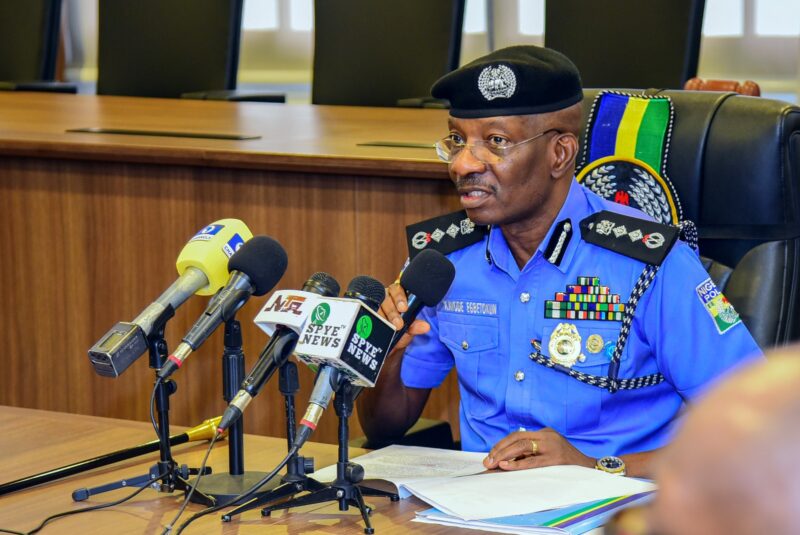
The decision of the Inspector-General of Police, IGP Kayode Egbetokun, to order a comprehensive review of Amnesty International’s report on the South-East deserves commendation, not just from stakeholders in the security sector, but from every patriotic Nigerian who desires peace, justice, and accountability.
For too long, reports by international human rights organisations have either been dismissed outright or met with defensive rhetoric that does little to address the issues raised.
What IGP Egbetokun has demonstrated is leadership anchored on transparency, responsibility, and a genuine commitment to improving the image and professionalism of the Nigeria Police Force.
By mandating a thorough review, the IGP is sending a clear message: that Nigeria will not shy away from scrutiny, and that the police, as the frontline institution in internal security, are ready to uphold global standards of accountability.
This is a refreshing departure from the past, where engagement with international watchdogs was often marked by hostility and denials.
The South-East region has, in recent years, become a hotspot of insecurity, marked by attacks on security personnel, arson, and the killing of innocent citizens. In such a volatile environment, law enforcement officers operate under tremendous pressure, often making split-second decisions that may have grave consequences.
While Amnesty International’s reports sometimes omit the complexities of policing such environments, they also highlight genuine concerns that must not be ignored.
Egbetokun’s directive ensures that the Nigeria Police does not fall into the trap of brushing these concerns aside. Instead, the review will help identify gaps in operations, strengthen compliance with human rights standards, and reassure citizens that the Force is not above accountability.
This progressive approach will also enhance international confidence in Nigeria’s policing system, especially at a time when partnerships with global institutions are crucial in the fight against terrorism, insurgency, and violent crime.
It is also important to stress that reviewing Amnesty International’s report is not an admission of guilt, but an opportunity for introspection and reform. Where officers are found culpable, justice must take its course.
Where the report misrepresents facts or fails to capture the reality on the ground, the Nigeria Police will be in a stronger position to provide clarifications backed by credible evidence.
This move by IGP Egbetokun is, therefore, not just about Amnesty International, it is about building a policing system Nigerians can trust, one that balances firmness with fairness, and force with accountability.
For this bold, transparent, and commendable step, IGP Kayode Egbetokun deserves the applause of all well-meaning Nigerians.
He has set a precedent that future police chiefs must emulate: the courage to confront uncomfortable truths, and the wisdom to see accountability as strength, not weakness.
Adewole Kehinde is a public affairs analyst based in Abuja. 08166240846 – kennyadewole@gmail.com – @kennyadewole