Forgotten Dairies
Martin Luther King Jr.: A Voice That Refuses To Be Silenced -By Isaac Asabor
Weighing the voice of Martin Luther King Jr. in this context, it is not an exaggeration to opine that it will never be silenced. Though he was assassinated 57 years ago, his voice has never been silenced. His message of justice, nonviolence, and economic equality continues to shape the world. His words serve as a moral guidepost for democracies, reminding leaders and citizens alike of the ongoing responsibility to fight for freedom and justice.

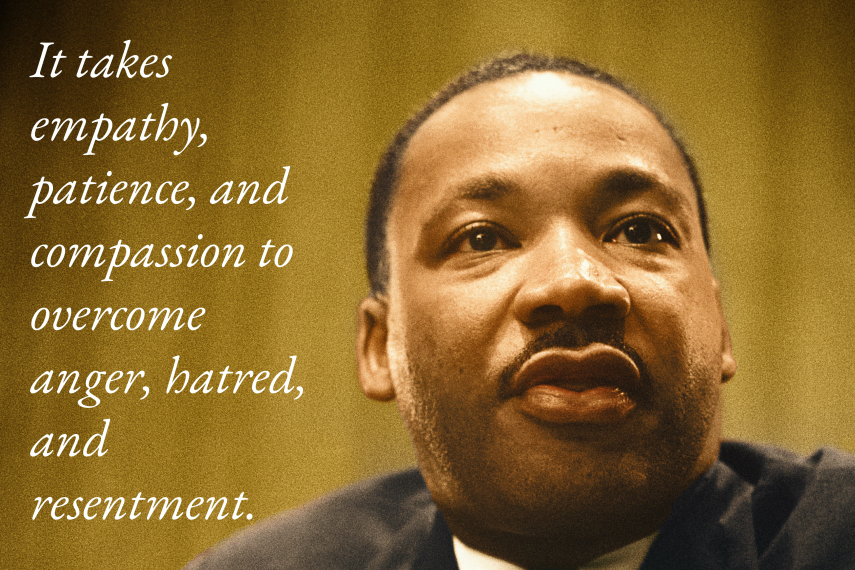
Fifty-seven years after Dr. Martin Luther King Jr. was assassinated on that fateful evening of April 4, 1968, his voice continues to reverberate across democracies worldwide. Though a sniper’s bullet sought to silence him, but his words, principles, and unwavering pursuit of justice have transcended time and space. Today, King’s advocacy for civil rights, economic equality, and nonviolence remains a critical touchstone in global discussions about democracy, human rights, and social justice.
Given the foregoing backdrop, it is not an exaggeration to opine that history has shown that his’ is a legacy that outlives assassination.
Dr. King’s assassination at the Lorraine Motel in Memphis, Tennessee, was a tragic attempt to extinguish a movement that sought to uplift the oppressed. Yet, as history has shown, great ideas cannot be killed. His words, particularly his final speech on April 3, 1968, famously known as the ‘Mountaintop Speech’, resonate as if they were spoken yesterday. When he said, “I may not get there with you, but I want you to know tonight that we, as a people, will get to the Promised Land,” he foreshadowed both his imminent demise and the immortality of his cause.
His assassination was a devastating blow to the civil rights movement, but instead of halting progress, it ignited an even greater urgency for justice. The Civil Rights Act of 1968 was passed just days after his death, further cementing his influence on American democracy. To this day, his teachings continue to shape policies, inspire activists, and guide movements for equality and justice.
Listening to his voice in modern democracy, it is not an exaggeration to opine that across the world, King’s philosophy of nonviolent resistance remains relevant in struggles for democracy. His approach to confronting injustice has inspired numerous pro-democracy movements, from South Africa’s fight against apartheid to the recent Black Lives Matter protests in the United States and global movements advocating for racial and economic justice. His ideas serve as a moral compass for contemporary leaders and activists who continue to challenge oppression in various forms.
Even in America, where he was born and fought relentlessly for equal rights, his words still hold weight. Whether it is in debates about police brutality, voting rights, or economic inequality, King’s message continues to influence discussions. His call for racial and economic justice is echoed by modern politicians, scholars, and grassroots organizers. The unfinished business of his activism remains at the forefront of American democracy.
While King is often celebrated for his role in desegregation and voting rights, his lesser-known fight for economic justice is equally significant. Towards the end of his life, he shifted his focus toward eradicating poverty and promoting fair wages. His Poor People’s Campaign, which sought economic justice for all Americans, remains an unfinished chapter in his legacy.
The disparities he highlighted in the 1960s have persisted, with income inequality reaching new heights in modern times. King’s assertion that “injustice anywhere is a threat to justice everywhere” remains a crucial reminder that economic injustice is not just a class issue but a moral one. His dream of an America, and a world, where no person is deprived of basic economic dignity still fuels debates on fair wages, affordable healthcare, and economic policies today.
Without a doubt, there is global resonance of King’s message. This is as his influence extends far beyond American shores. His philosophy of nonviolent resistance deeply inspired Nelson Mandela and the anti-apartheid movement in South Africa. Leaders like Desmond Tutu and Barack Obama have credited King’s teachings as guiding principles in their fight for justice. The Arab Spring, democracy movements in Hong Kong, and the ongoing struggles for human rights in various parts of the world continue to draw inspiration from King’s legacy.
His words have been quoted in parliaments, courtrooms, and protests across continents. His message of love over hate, peace over violence, and justice over oppression has found a permanent place in global dialogues about governance and democracy. His philosophy remains a powerful tool for those fighting against totalitarian regimes, systemic discrimination, and economic injustice.
Given the foregoing backdrop, the enduring power of King’s words in democracies cannot be pooh-poohed. This is as King understood the power of words in shaping history. From his famous “I Have a Dream” speech to his impassioned call for justice in “Letter from Birmingham Jail,” his words remain etched in history, quoted by world leaders and taught in schools. His speeches are not relics of the past; they are blueprints for a better future. His call to action continues to inspire new generations who see their struggles reflected in his words.
Every January, Americans honor King’s legacy on Martin Luther King Jr. Day, not just as a ceremonial holiday but as a call to reflect on the ongoing struggle for justice. Across the world, his speeches are revisited whenever injustice rears its head, reaffirming the belief that the arc of the moral universe, as King put it, “bends toward justice.”
Weighing the voice of Martin Luther King Jr. in this context, it is not an exaggeration to opine that it will never be silenced. Though he was assassinated 57 years ago, his voice has never been silenced. His message of justice, nonviolence, and economic equality continues to shape the world. His words serve as a moral guidepost for democracies, reminding leaders and citizens alike of the ongoing responsibility to fight for freedom and justice.
His dream, articulated with unparalleled eloquence and conviction, remains an unfinished project that continues to unfold in real-time. As long as injustice exists anywhere in the world, King’s voice will continue to echo, urging us forward. His legacy is not just one of remembrance, but one of action, a call to persist in the struggle for a just and equitable world.