
Africa
Nigeria’s Economic Crisis Is a Moral Crisis -By Muhammad Umar Shehu
If Nigeria is to move forward, economic reconstruction must be accompanied by moral reconstruction. Transparency must replace opacity. Accountability must replace impunity. Public service must replace personal gain.

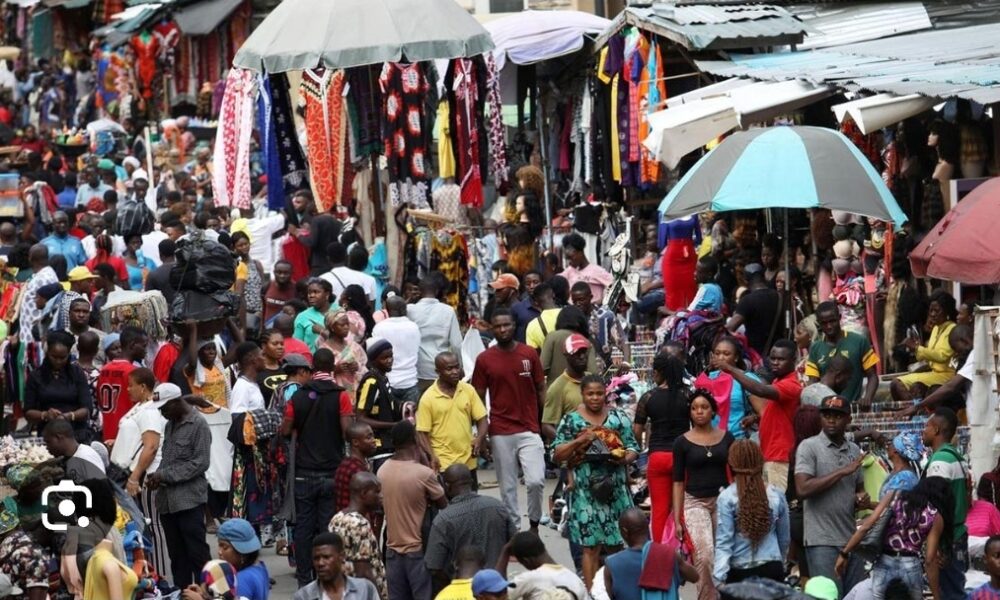
Nigeria’s economic crisis is often discussed in technical language. We talk about inflation rates, exchange rates, GDP growth, fiscal deficits, and monetary tightening. Experts debate policy direction, subsidy removal, and currency reforms. Yet beneath all these discussions lies a deeper truth that we are reluctant to confront: Nigeria’s economic crisis is, at its core, a moral crisis.
In Adam Smith and Islam, Waseem Naser reminds us that economics was never meant to be detached from ethics. Adam Smith, widely regarded as the father of modern economics, was first a moral philosopher. Before writing The Wealth of Nations, he wrote The Theory of Moral Sentiments, where he emphasized sympathy, justice, and moral restraint. Markets, in his view, could not function in isolation from moral responsibility.
Islamic economic thought shares this foundation. Trade is encouraged, wealth is permitted, and enterprise is respected. But all of these operate within firm moral boundaries. Justice is non negotiable. Exploitation is forbidden. Wealth carries responsibility. Accountability is certain.
When we examine Nigeria’s current situation through this lens, the picture becomes clearer.
Inflation continues to erode the purchasing power of ordinary citizens. The naira struggles for stability. Youth unemployment remains alarmingly high. The cost of food and transportation has risen beyond the reach of many families. These are economic realities. But they are also symptoms of deeper institutional and moral weaknesses.
An economy cannot thrive where corruption undermines trust. Adam Smith insisted that justice is the main pillar that upholds society. Once justice collapses, society itself begins to crack. In Nigeria, public funds are routinely mismanaged, contracts are inflated, and accountability mechanisms are weak. This is not merely inefficiency. It is moral decay.
Islamic principles reinforce this argument. Leadership is considered a trust. Public office is an amanah, not a private investment opportunity. When leadership becomes a means of personal enrichment, the moral foundation of governance collapses. What follows is predictable: inequality widens, poverty deepens, and citizens lose faith in the system.
The recent economic reforms, including fuel subsidy removal and exchange rate adjustments, may have theoretical justification. Many economists argue they were long overdue. However, reform without structured social protection reflects a failure of moral sensitivity. When policies disproportionately burden the poor while elites remain insulated, justice is compromised.
Adam Smith did not promote greed. He believed self interest operates within moral boundaries shaped by social conscience. Islam teaches a similar balance. Wealth creation is legitimate, but not at the expense of human dignity. In Nigeria, however, profit often overrides public welfare.
Consider the widening gap between political elites and ordinary citizens. Luxury convoys move through streets where citizens struggle to afford basic commodities. Public spending priorities often appear disconnected from public suffering. This visible inequality damages more than economic stability. It damages national unity.
Islamic economic thought provides mechanisms for social balance, such as zakat and structured redistribution. These are not acts of charity alone. They are instruments of justice. In Nigeria, social intervention programs frequently suffer from poor targeting, lack of transparency, and political manipulation. The result is minimal impact and widespread distrust.
Nigeria does not lack natural resources. It does not lack human capital. What it lacks is consistent ethical leadership and institutional discipline. An economy built on fragile moral foundations cannot stand firm.
The lesson from both Adam Smith’s moral philosophy and Islamic economic principles is straightforward. Markets require trust. Trust requires justice. Justice requires accountability. Without these elements, reforms remain cosmetic.
If Nigeria is to move forward, economic reconstruction must be accompanied by moral reconstruction. Transparency must replace opacity. Accountability must replace impunity. Public service must replace personal gain.
Economic indicators may improve temporarily, but without ethical grounding, instability will return. Sustainable growth demands more than sound monetary policy. It demands character in leadership and integrity in institutions.
Nigeria’s future will not be secured by technical adjustments alone. It will be secured when justice becomes the true foundation of governance.
Until then, our economic crisis will remain what it has always been: a reflection of a deeper moral failure.
Muhammad Umar Shehu
From Gombe, can be reached via: umarmuhammadshehu2@gmail.com
























You must be logged in to post a comment Login