Africa
Navigating Economic Currents: Steady Hand on Monetary Policy -By Isah Aliyu Chiroma
The CBN’s steadfastness in its monetary policy approach reflects a broader understanding of the interconnectedness of economic variables. Stakeholders can take solace in the MPC’s careful deliberations, even as they remain vigilant about the ongoing risks. By prioritizing economic stability and growth, the CBN sets the stage for a more promising future for Nigeria.

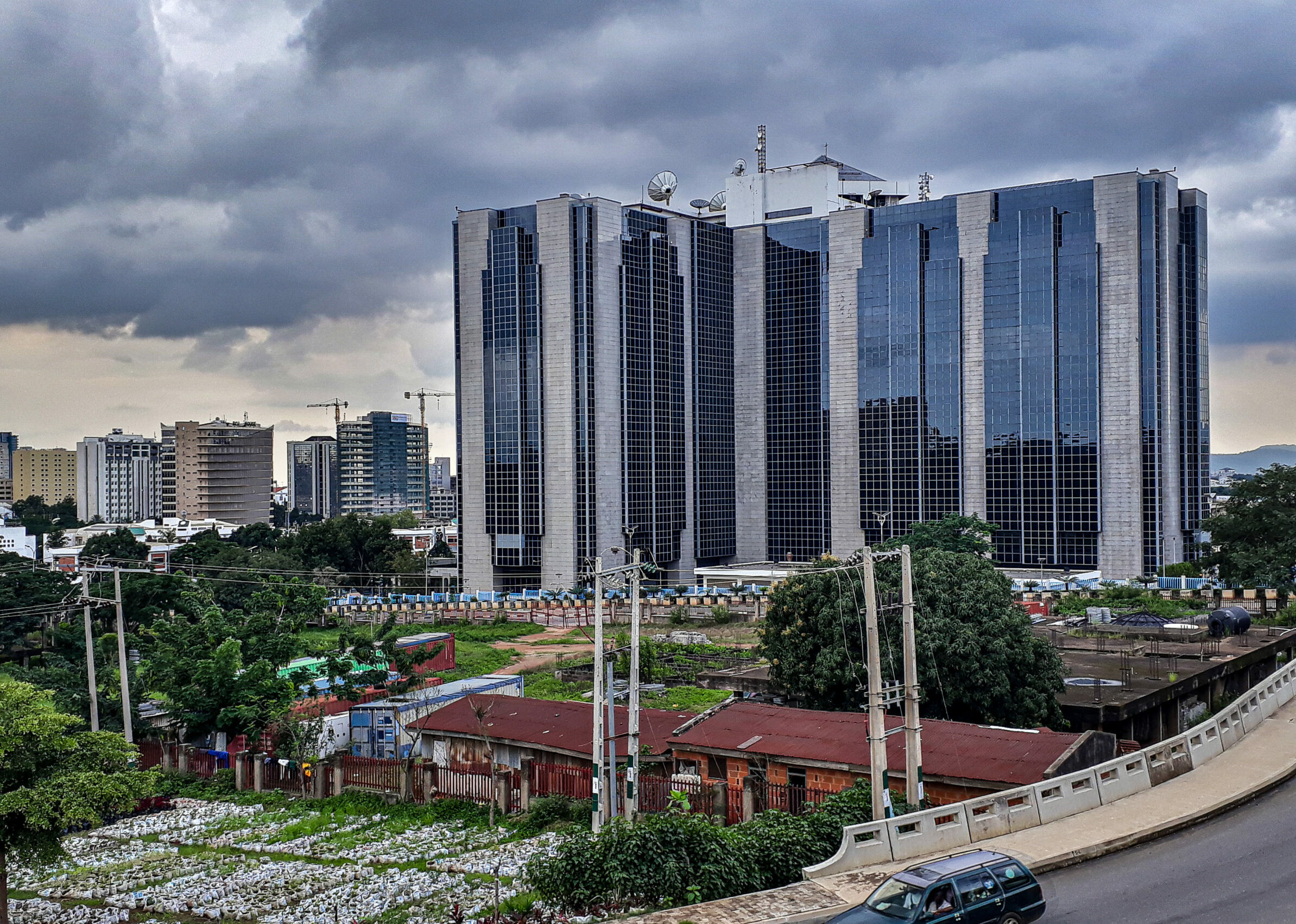
In the unending battle of economic stability, with both promising growth and persistent challenges, the Central Bank of Nigeria (CBN) has made a pivotal decision by retaining the Monetary Policy Rate (MPR) at 27.50 per cent. This announcement, made during the Monetary Policy Committee’s (MPC) 300th meeting, signifies a continued commitment to stabilizing the Nigerian economy. By holding the MPR steady for the second consecutive time in 2025, the MPC’s unified approach reflects an in-depth analysis of recent economic indicators and the overarching inflationary pressures that continue to loom.
The decision to maintain the MPR at 27.50 percent comes amid a backdrop of mixed macroeconomic signals. Key highlights from the MPC’s meeting reaffirm the bank’s intention to focus on economic stability. The committee also retained the asymmetrical corridor at +500/-100 basis points around the MPR, along with the cash reserve ratio (CRR) at 50 percent for Deposit Money Banks and 16 percent for Merchant Banks. The liquidity ratio remains at 30 percent, demonstrating a cautious stance in managing liquidity within the financial system.
Several factors played a crucial role in guiding the MPC’s decision. Among these was a notable improvement in macroeconomic indicators. The committee observed a narrowing gap between the Nigeria Foreign Exchange Market (NFEM) and Bureau De Change (BDC) windows, a phenomenon that signifies harmonization within the foreign exchange market. A positive balance of payments position and the recently declining prices of Premium Motor Spirit (PMS) emerged as critical developments supportive of economic health.
Food inflation, has been a significant concern, which showed signs of moderation. The committee announced a decline in food inflation to 21.26 percent in April 2025, down from 21.79 percent in the previous period. Core inflation further decreased to 23.39 percent from 24.43 percent, indicating a potential easing of price pressures. The MPC highlighted these developments as encouraging signs of economic resilience, countering fears of unchecked inflation.
Another development was the growth of real Gross Domestic Product (GDP), which expanded by 3.84 percent in the fourth quarter of 2024. This growth was driven by both oil and non-oil sectors, with particular emphasis on the services sector, which has increasingly become a cornerstone of Nigeria’s economic advancement. Coupled with a rise in gross external reserves, which increased by 2.85 percent to $38.90 billion as of May 16, 2025, this economic growth narrative paints a picture of cautious optimism for stakeholders and investors.
Despite these positive indicators, the MPC expressed its concerns regarding several underlying challenges that could threaten the economy’s stability. Among these concern is the persistence of inflationary pressures, driven by high electricity prices and continued foreign exchange demand pressure. Other legacy structural factors within the economy still cast shadows over its potential for growth, showing that while progress has been made, significant hurdles remain.
The decline in crude oil prices also represents a significant concern. Increased production from non-OPEC member countries and uncertainties surrounding US trade policy present new challenges for Nigeria’s fiscal health. As oil remains a critical driver of the Nigerian economy, fluctuations in global prices can reverberate loudly through fiscal receipts and budget implementation, complicating the CBN’s monetary policy framework.
The implications of the decision to retain the MPR at 27.50 percent are far-reaching. From a positive perspective, maintaining the current policy rate will inject confidence within the foreign exchange market. With a narrowing gap between the NFEM and BDC windows, market actors may find a renewed sense of optimism that encourages investment and fosters economic growth. This stability can provide a buffer against external shocks and is vital for sustaining consumer confidence during uncertain times.
On the flip side, the lingering inflationary pressures and the potential for declining crude oil prices could inhibit revenue streams and complicate budgetary execution for the Nigerian government. Fiscal revenues, heavily reliant on oil exports, may face additional strains, which could necessitate revisions in fiscal policy to accommodate lower-than-expected revenue inflows. The CBN must navigate these complexities deftly to ensure that economic growth remains on track.
As the CBN adopts a cautious approach to monetary policy amid these oscillating conditions, its strategy remains focused on anchoring inflation expectations and alleviating exchange rate pressures. The MPC’s optimism regarding the near-term economic outlook is tempered by an acute awareness of the risks that continue to loom. The committee recognizes that sustaining economic growth will require vigilant monitoring and proactive responses to emerging challenges.
Looking ahead, the CBN’s commitment to implementing sound monetary policy will be crucial in maintaining the delicate balance between growth and inflation. Policymakers must remain agile and responsive to changing economic conditions while reinforcing measures to support market confidence. Transparent communication with the public and market stakeholders will also be essential in fostering trust and stability within the economic landscape.
The road ahead is undoubtedly fraught with complexities, but the MPC’s decision to maintain The MPR at 27.50 per cent underscores a resolve to confront these challenges head-on. As the Nigerian economy continues to navigate these currents, the role of the CBN as a stabilising force will be paramount in shaping the future of Nigeria’s economic trajectory. The path toward a robust and resilient economy requires not only strategic monetary policy but also collaborative efforts across all sectors to ensure that growth is inclusive and sustainable.
The CBN’s steadfastness in its monetary policy approach reflects a broader understanding of the interconnectedness of economic variables. Stakeholders can take solace in the MPC’s careful deliberations, even as they remain vigilant about the ongoing risks. By prioritizing economic stability and growth, the CBN sets the stage for a more promising future for Nigeria.
Isah Aliyu Chiroma, a writer and public affairs analyst who focuses on government policies, economic and financial markets, and writes from Abuja. Isah can be reached at aliyuisahchiroma29@gmail.com