Connect with us

Africa

Nigeria’s Insecurity Crisis: A Threat to Economic Growth and National Stability -By Ibrahim Arafat Abiodun

Nigeria’s insecurity is more than a threat to lives and property—it is a barrier to economic growth and national development. Strengthening security infrastructure, creating jobs, and fostering community-police collaboration are essential steps toward restoring stability and investor confidence.

Published

on

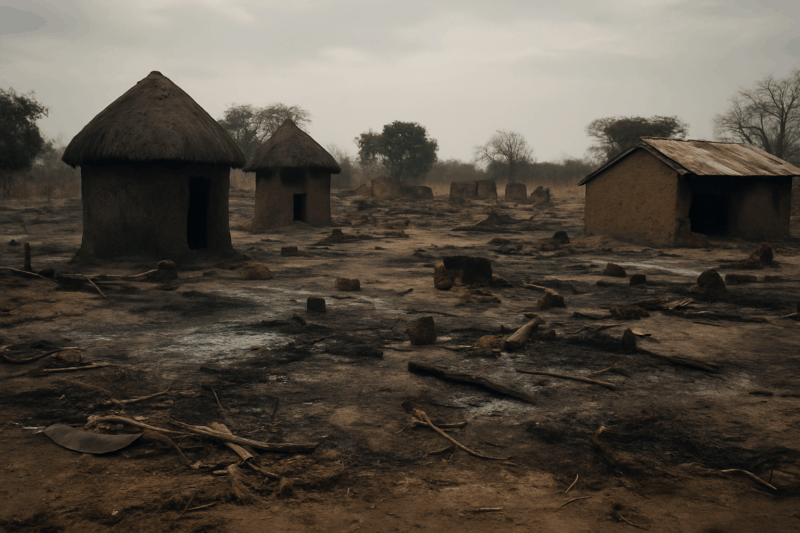
Desolate Yelewata - Benue - Fulani herdsmen and crisis
Nigeria has been long regarded as one of Africa’s economic powerhouses, faces mounting security challenges that continue to undermine its stability and development. From terrorism and banditry to abductions for ransom, insecurity has deeply affected the nation’s economy and the daily lives of its citizens.
However, northern region remains the epicenter of violence, with Boko Haram and bandit groups disrupting communities and forcing businesses to shut down operations. Fear and instability have driven investors and companies away, leaving many areas economically paralyzed. Banditry has also created a pervasive climate of fear, halting commercial activities and worsening poverty in affected regions.
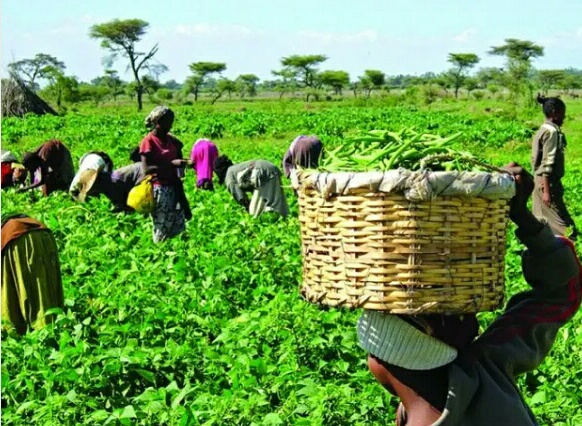
Agriculture

Agriculture

In recent years, kidnapping for ransom has surged nationwide. In 2025 alone, police recorded over a thousand abduction cases. Victims cut across all social classes and tribes, deepening a sense of vulnerability among Nigerians. Mrs. Adetomiwa, who narrowly escaped captivity along the Lagos-Ibadan expressway, recounted being abducted, starved, and threatened until her captors demanded ₦10 million for her release.
The rise in insecurity has forced businesses to close, reduced interstate travel, hindered the movement of goods, and scared off foreign investors. Funds that should support infrastructure and development are instead diverted toward fighting insecurity, limiting Nigeria’s economic progress.
To address the crisis, experts recommend establishing an efficient intelligence network that enhances collaboration among security agencies, leverages technology, and strengthens international partnerships. Equally important is the expansion of community policing, particularly in rural areas where government presence is weak. Empowering local communities to work with law enforcement can help prevent crime and track offenders.
Tackling unemployment is also vital, as economic frustration fuels instability. With many educated graduates idle, providing jobs would reduce the pool of recruits for criminal networks. Additionally, swift prosecution and stronger investigative systems are needed to ensure terrorists, kidnappers, and bandits face justice.

Nigeria’s insecurity is more than a threat to lives and property—it is a barrier to economic growth and national development. Strengthening security infrastructure, creating jobs, and fostering community-police collaboration are essential steps toward restoring stability and investor confidence.
Continue Reading
Advertisement
Click to comment

Leave a Reply

Your email address will not be published. Required fields are marked *

Trending Contents

Topical Issues

Governor Siminalayi Fubara Governor Siminalayi Fubara
Africa9 hours ago

Emerging Facts On The Impeachment Move Against Fubara: Nigerians Were Right All Along -By Isaac Asabor

Governor Fubara’s insistence on fiscal discipline may disrupt entrenched arrangements, but disruption is sometimes the price of reform. Independence is...

FUBARA AND WIKE - AMAEWHULE FUBARA AND WIKE - AMAEWHULE
Politics12 hours ago

It Is High Time Wike And His Acolytes Allowed Fubara To Drink Water And Drop The Cup -By Isaac Asabor

The choice before Rivers political actors is clear. They can respect the mandate freely given by the people; allow the...

quality-nigerian-flag-for-sale-in-lagos quality-nigerian-flag-for-sale-in-lagos
Africa12 hours ago

Nigeria’s Year of Dabush Kabash -By Prince Charles Dickson Ph.D.

While politicians posture, Nigerians are trying to understand a new tax regime, rising costs, shrinking incomes, and policy explanations that...

Africa23 hours ago

Singapore’s Leaders Built An Economy; Nigeria’s Keep Building Excuses -By Isaac Asabor

Until Nigerian leaders stop building excuses and start building institutions, the gap between both countries will remain. Singapore’s rise is...

Tinubu and Wike Tinubu and Wike
Africa23 hours ago

Nyesom Wike and falling rafters of Rivers -By Festus Adedayo

Nigerian politics has produced a number of queer politicians and their absurd politics. One was Chief S. L. Akintola, the...

Wike Wike
Africa23 hours ago

Campaigns Without Elections: How Nigeria’s Politicians Are Breaking The Law In Plain Sight -By Isaac Asabor

Nigeria cannot afford a perpetual campaign cycle. The country is grappling with economic hardship, insecurity, and institutional fatigue. This is...

Abba Dukawa Abba Dukawa
Africa1 day ago

Reciprocity in Conflict: How Covert Attacks Provoke Resistance -By Abba Dukawa

Governor Abba Kabir belongs to every Kanawa and to no one – he's the people's governor, above political affiliation. One...

JAMB and UTME JAMB and UTME
Forgotten Dairies1 day ago

The Role of Technology in Nigeria’s Education System -By Alheri Una

To fully maximize technology in education, government investment is crucial. Public-private partnerships can help provide internet access, digital devices, and...

Egbetokun Egbetokun
Africa1 day ago

Setting The Record Straight On The So-Called “IGP’s Boys” Narrative -By Danjuma Lamido

Nigeria deserves a Police Force that is firm, fair, and accountable, and a media ecosystem that reports responsibly. We must...

Russian-Indian Business Dialogue, December 2025 Russian-Indian Business Dialogue, December 2025
Forgotten Dairies1 day ago

Russia–India Dialogue Provides Platform for Strengthening Bilateral Entrepreneurship -By Kestér Kenn Klomegâh

Participants noted the development of Russia–India cooperation and implementation of joint business projects will continue at major international platforms, including...