National Issues
Not Every Youth is Gen Z: Debunking Misleading Generational Labeling, by Isaac Asabor

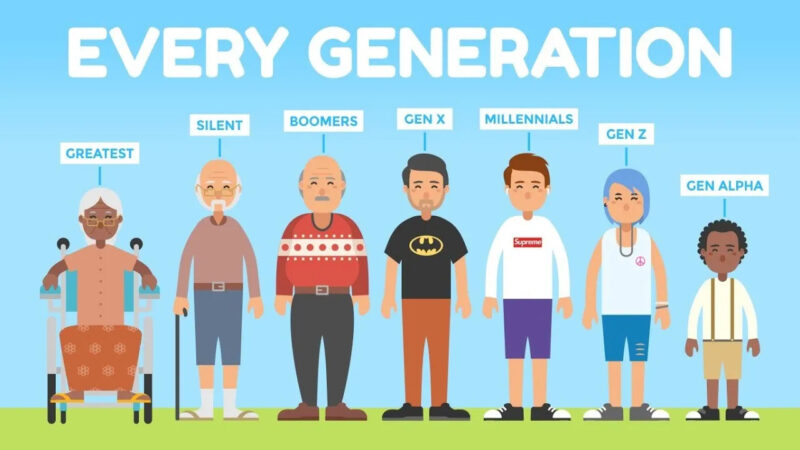
In recent times, the term “Gen Z” has become a catch-all label for virtually every young person in Nigeria. While it may seem harmless, this sweeping categorization is not just inaccurate; it also obscures the diversity and unique experiences of different generational cohorts. It is important to clarify that Gen Z specifically refers to individuals born between 1997 and 2012. This means that only the youngest segment of today’s youth falls into this category, yet the term is mistakenly applied to a much broader group.
In fact, generational labels serve a purpose; they help in understanding the shared experiences, cultural references, and social trends that shape different age groups. However, when these labels are misapplied, they lose their meaning and create confusion. By lumping all young people under the Gen Z umbrella, we erase the distinctions between the experiences of those who grew up before the rise of social media, smartphones, and other defining features of the Gen Z experience.
The widespread use of “Gen Z” as a blanket term for all youths may stem from a desire to connect with or market to the younger generation. However, it is essential to recognize that the cultural and societal influences that shaped someone born, say, in 1995 are vastly different from those that shaped someone born in 2015. The former belongs to the millennial generation, which witnessed the transition from analog to digital, while the latter is growing up in a world where digital technology has always been the norm.
Without a doubt, inaccurate labeling can have broader implications as well. It risks alienating those who do not identify with the experiences typically associated with Gen Z, and it can lead to miscommunication and misunderstanding across different age groups. Moreover, it can prevent us from accurately addressing the specific needs and challenges faced by each generation.
To move forward, we must be more precise in our language and understanding of generational differences. Recognizing the diversity within Nigeria’s youth population allows the government to better address their distinct challenges and opportunities. Let us put an end to the sweeping generalization that every young person is Gen Z and instead of celebrating the unique contributions of each generation.
Against the foregoing backdrop, it is germane in this context to opine that today’s youths fall into a few different generational categories besides Gen Z. While the Gen Z cohort is the most commonly referenced group for younger people, some of today’s youths can also be classified under the Millennial category. A breakdown of the foregoing view reveals that Millennial (Generation Y) are those born from 1981 to 1996, and whose ages range from approximately 28 to 43 years old.
Explanatorily put, the breakdown by age looks like this: Baby boomers were born between 1944 and 1964. They are currently between 60-80 years old. In a similar vein, Gen X was born between 1965 – 1979 and people born at the time are currently between 45-59 years old.
Also in a similar vein is the Gen Y, or Millennials, born between 1980 and 1994. They are currently between 30-44 years old.
Now, the subject of this piece, the Gen Z is the newest generation to be named and were born between 1997 and 2012. They are currently between 9-29 years old.
Millennials, while older than the youngest segment of today’s youths, still include a significant number of younger individuals who are just starting to establish themselves in their careers and personal lives. They are known for their adaptability to technological advancements and a desire for work-life balance. As some Millennials are still quite young, they fall into the broader category of today’s youths, particularly those who are in their late 20s to early 30s.
In a similar vein, there is the Generation Alpha. They are the youths that belong to this generation, and are those born in 2013 to present day. They are majorly under 11 years old.
Generation Alpha is the generation that comes after Gen Z. This generation is currently in their formative years and will be characterized by their extensive use of technology from a very young age, as well as their growing up in a highly interconnected and digital world. While not yet classified as “youth” in the traditional sense, many children in this generation will soon become part of the youth demographic.
Reiteratively put, Millennials are young adults in their late 20s to early 30s, many of whom are still considered to be youths while Generation Alpha are young children who will form the next cohort of youths in the coming years.
Without a doubt, it is not a misnomer to opine that understanding these generational categories helps in grasping the broader spectrum of youth experiences and expectations in today’s rapidly evolving world, particularly in Nigeria.
Therefore, understanding which youth falls under Gen Z and which does not is important for several reasons:
First and foremost, there is no denying the fact that accurate generational labeling helps businesses and organizations to tailor their communication and marketing strategies effectively. For instance, marketing strategies for Gen Z, who are digital natives, might focus on social media platforms and digital interactions, whereas Millennials might respond better to a combination of digital and traditional media.
In a similar vein, policymakers and educators can design more effective programs and policies when they understand the specific needs and characteristics of different generational groups. For example, educational initiatives or mental health programs can be customized to address the unique challenges faced by Gen Z compared to Millennials or older generations.
Still in a similar vein, each generation is shaped by distinct cultural and social experiences. By differentiating between generations, we can better appreciate the unique perspectives and values of each group. This can foster greater empathy and understanding across different age groups.
Also, incorrectly grouping all young people under the Gen Z label can lead to unseemly rulebooks about their behaviors, preferences, and challenges. Without a doubt, recognizing the differences helps in avoiding stereotypes and provides a more nuanced view of the youth population.
Again, for those involved in youth work, advocacy, or community engagement, understanding generational differences allows for more meaningful and relevant interactions. Engagement strategies can be tailored to the specific experiences and expectations of each generation.
In fact, differentiating between generations helps in studying and analyzing historical and sociological trends. This can provide insights into how societal changes impact different age groups over time.
In essence, recognizing and understanding generational differences ensures that we address the specific needs and characteristics of each group, leading to more effective communication, policies, and interactions.
At this juncture, it is expedient to opine that everyone need to understand the different categories of generations, as each cohort carries distinct characteristics, values, and experiences that shape their perspectives and behaviors. This is as recognizing these generational differences allow us to better communicate, collaborate, and address the unique needs and aspirations of each group. Whether in the workplace, in educational settings, or within families, a clear understanding of generational categories fosters mutual respect and effective interaction across age groups.
In fact, insights into the various generations reveal a rich tapestry of human experience. The Silent Generation, born between 1928 and 1945, is often characterized by their discipline and strong work ethic, shaped by the hardships of the Great Depression and World War II. Baby Boomers, who came of age during the post-war economic boom, are known for their optimism and commitment to social change. Generation X, raised in an era of shifting societal norms and technological advancements, values independence and work-life balance. Millennials, deeply connected to the rise of digital technology, prioritize meaningful work and diversity, while Generation Z, the first true digital natives, is marked by their global awareness and adaptability.
Without a doubt, each generation contributes uniquely to society, and by understanding these generational categories, we can bridge gaps in communication and expectation. This awareness not only enriches our interactions but also empowers us to leverage the strengths of each generation in various aspects of life. Whether navigating intergenerational workplaces or fostering harmony in communities, the knowledge of generational dynamics is an invaluable tool for creating a more inclusive and cohesive world.
Be that as it may, it is germane to opine in this context that these classifications help in understanding cultural shifts, economic trends, and social changes across different age groups. Therefore, it is advisable to verify these classifications as they can vary slightly depending on the source. So, for us to be guided, particularly for those who see every young person as Gen Z, it is expedient to explain that Generation X are those born from 1965 to 1980, Millennials or Generation Y are those born from 1981 to 1996, Generation Z are those born from 1997 to 2012 while Generation Alpha are those born from 2013 to present. Again, it is equally expedient to opine at this parting juncture that understanding Zeitgeist of different generations is essential, particularly for those in government. For the sake of clarity, “Zeitgeist” is a German word that translates to “spirit of the time” or “the defining spirit or mood of a particular period of history.” It refers to the cultural, intellectual, ethical, and political climate or ambiance of a specific time and place. The term can be used in various contexts, including philosophy, literature, and art, to capture the essence of an era.