Africa
Nourishing Life: The Power of Exclusive Breastfeeding in the Sweltering Heat of Maiduguri -By Musa Bukar
In the sweltering heat of Maiduguri, the commitment to exclusive breastfeeding serves as a powerful testament to resilience and love. Through community support, education, and practical strategies, mothers are empowered to navigate the challenges they face while ensuring the best start for their infants.
Each breastfeeding session is not just a moment of nourishment; it is a step towards building a healthier future in a community that continues to rise against adversity.

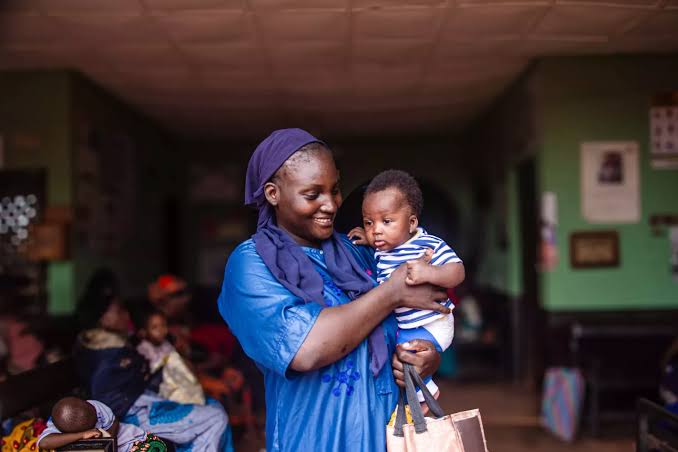
In the heart of Maiduguri, the sweltering heat serves as both a challenge and a catalyst for change, igniting a movement centered around the vital practice of breastfeeding. As the sun blazes down relentlessly, residents face an array of health challenges that are compounded by the harsh climate. In such an environment, exclusive breastfeeding emerges not just as a nutritional choice but as a crucial lifeline, offering hope and resilience to both mothers and their infants.
Exclusive breastfeeding is defined as the practice of feeding infants solely breast milk for the first six months, without the addition of any other food or drink. In regions like Maiduguri, where access to clean water can be limited and nutritional resources may be in short supply, breast milk is more than just food; it is a lifeline rich in essential nutrients, antibodies, and hydration. This natural sustenance is perfectly tailored to meet the needs of a growing infant, providing vital immunological protection that shields them from common diseases and infections prevalent in the area.
Breast milk’s unique composition adapts as the infant grows, offering the right balance of fats, proteins, and carbohydrates needed for healthy development. Additionally, in the hot climate of Maiduguri, breast milk acts as a natural source of hydration, ensuring that infants remain well-hydrated, even in extreme heat. The act of breastfeeding not only nourishes the child but also strengthens the bond between mother and baby, creating an emotional connection that is pivotal during these formative months.
In a community where healthcare resources may be limited, promoting exclusive breastfeeding addresses several critical health challenges. It reduces the risk of malnutrition and supports the immune system, decreasing the incidence of diarrhea, respiratory infections, and other illnesses that can be exacerbated by the harsh climate. By empowering mothers with knowledge about the benefits of exclusive breastfeeding, community leaders and health workers are working to instill a sense of confidence in this natural practice.
Through community workshops, outreach programs, and support groups, mothers are encouraged to share their experiences and challenges associated with breastfeeding in the heat. These gatherings not only provide practical advice on maintaining hydration and managing the discomfort of hot weather but also foster a sense of solidarity and belonging among mothers, allowing them to lean on each other for support.
Efforts to spread awareness about the advantages of exclusive breastfeeding are vital in combating misconceptions and stigmas that may deter mothers from embracing this practice. Initiatives that involve fathers and families in the conversation about breastfeeding help to create a supportive environment, allowing mothers to focus on the practice without feeling isolated or pressured by societal expectations. Engaging fathers can be especially impactful, as they play a crucial role in supporting their partners and facilitating a nurturing environment for breastfeeding.
To further enhance these initiatives, healthcare providers are being trained to promote culturally sensitive messaging that resonates with the local community. This involves understanding the unique challenges and traditions of Maiduguri while demonstrating the long-term benefits of breastfeeding for both mother and child. By aligning local customs with modern health practices, the community can bridge the gap between tradition and innovation, ensuring that families are well-informed and empowered to make the best choices for their health.
Technology is also playing a pivotal role in spreading knowledge about breastfeeding. Community health workers are using mobile apps and social media platforms to disseminate crucial information, share personal stories, and create virtual support networks. These digital resources offer mothers a safe space to ask questions, share their experiences, and learn from one another, further normalizing the practice of exclusive breastfeeding even in the face of cultural and environmental challenges.
As the movement continues to gain momentum, the collective effort of mothers, families, and health workers in Maiduguri is being seen not only as a means to promote breastfeeding but as a catalyst for overall community health improvement. By investing in the health of their youngest members through exclusive breastfeeding, the community is laying the foundation for healthier generations to come.
Maiduguri experiences high temperatures, often soaring above 40 degrees Celsius. For nursing mothers, this presents a unique set of challenges. Heat can lead to dehydration, exhaustion, and increased perspiration, which may affect milk supply. Additionally, families may be concerned about their infants’ hydration levels in such a hot climate.
But the benefits of exclusive breastfeeding far outweigh the challenges. Breast milk, even in the heat, is designed to adapt. It contains all the necessary hydration that infants need. Mothers, supported by local health initiatives, are learning to prioritize their well-being to ensure that they can provide this vital resource for their babies.
In Maiduguri, community support plays a crucial role in encouraging exclusive breastfeeding. Local health workers conduct outreach programs emphasizing the importance of breastfeeding. Traditional birth attendants and local health clinics are pivotal in educating mothers about proper breastfeeding techniques, nutrition, and hydration tips to maintain milk supply.
Moreover, peer support groups are emerging, wherein experienced mothers share their experiences and provide encouragement to new mothers facing the sweltering heat. This sharing of knowledge creates a sense of solidarity—a reminder that in this journey of motherhood, no one is alone.
Breastfeeding in hot weather can sometimes present unique challenges, but with a bit of preparation and awareness, mothers can ensure a comfortable experience for themselves and their little ones. One of the most important aspects is staying hydrated. It’s essential for mothers to focus on drinking plenty of water throughout the day, as adequate hydration is crucial for maintaining a healthy milk supply. By keeping a water bottle nearby, mothers can make it a habit to sip regularly, helping both themselves and their baby during feeds.
When nursing outdoors, seeking out shaded areas is a great way to keep both mother and baby cool. Finding a comfortable spot under a tree or an awning can create a more pleasant environment for feeding. This not only protects the baby from direct sunlight but also allows mothers to relax, which is important for a positive breastfeeding experience.
Dressing lightly is equally important during hot weather. Wearing loose, breathable clothing made from natural fabrics like cotton can help regulate body temperature and keep both mother and baby cooler during feeding sessions. Choosing outfits that allow for easy access to breastfeed can also add convenience and comfort.
It’s also common for infants to feed more frequently in hot weather, as they seek hydration. Mothers should be attentive to their baby’s hunger cues and be ready to nurse on demand. This responsiveness not only meets the baby’s needs but can also strengthen the bond between mother and child, making feeding a more intuitive and loving experience.
Managing stress is another key factor in successful breastfeeding, especially in the heat. Stress can adversely affect milk supply, so mothers should take time to relax and care for their mental well-being. Simple techniques, like deep breathing exercises, listening to calming music, or enjoying some time outdoors in nature, can make a world of difference in maintaining both mental and physical health.
Furthermore, connecting with other mothers can be incredibly beneficial. Forming or joining a local breastfeeding support group can provide reassurance and practical advice from others who are navigating similar experiences. Sharing tips and personal stories can serve as an empowering reminder that they are not alone in this journey.
Keeping babies cool is essential as well. Ensuring that small babies are dressed appropriately for the heat is important, as overheating can be dangerous. A light cloth can provide a cozy environment during feeding without trapping heat, allowing the baby to feel secure while remaining comfortable.
Lastly, nutrition plays a crucial role in both the mother’s well-being and the quality of breast milk. Consuming a balanced diet rich in fruits, vegetables, and whole grains not only supports the mother but also ensures that she is providing the best nourishment for her baby. Incorporating hydrating foods such as watermelon, cucumbers, and oranges can also help with hydration levels. Additionally, mothers should consider healthy snacks to keep their energy levels up throughout the day, especially during those demanding hot weather feeding sessions.
Breastfeeding in hot weather can be manageable with a bit of thoughtfulness and preparation. By prioritizing hydration, seeking shade, dressing for comfort, responding to baby’s feeding cues, managing stress, connecting with other mothers, ensuring baby’s comfort, and maintaining good nutrition, breastfeeding can remain a beautiful and nurturing experience even in the heat.
In the sweltering heat of Maiduguri, the commitment to exclusive breastfeeding serves as a powerful testament to resilience and love. Through community support, education, and practical strategies, mothers are empowered to navigate the challenges they face while ensuring the best start for their infants.
Each breastfeeding session is not just a moment of nourishment; it is a step towards building a healthier future in a community that continues to rise against adversity. The journey of motherhood, along with the natural bond and benefits of breastfeeding, is indeed a beautiful and vital aspect of life in Maiduguri. Together, as a community, they are nurturing the next generation, ensuring that despite the heat, love and health flourish.
Musa Bukar, wrote from the Kashim Ibrahim University