Africa
Political Defections Stir One-Party Concerns -By Abdulhaq Ibn Luqman
Although Nigeria remains constitutionally recognized as a multi-party state, observers warn that political practices—rather than legal frameworks—ultimately shape democratic outcomes. They argue that without stronger internal party democracy, electoral reforms, and independent institutions, the current trend could gradually entrench one-party dominance.

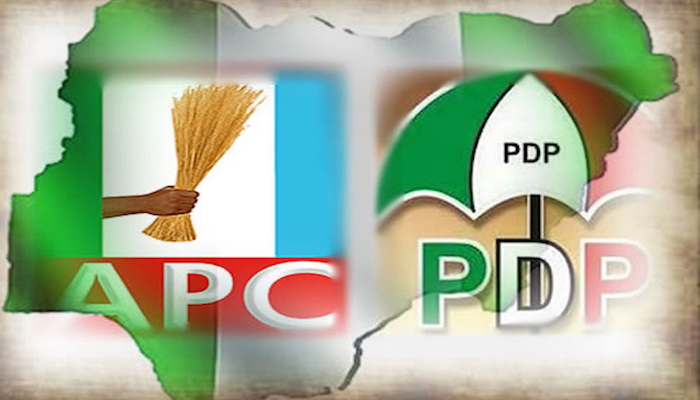
A sustained wave of political defections by governors and other elected officials to the ruling All Progressives Congress (APC) has intensified national debate over the future of Nigeria’s multi-party democracy, with analysts warning that the trend could weaken opposition politics and democratic accountability.
In 2025 alone, at least five serving governors have defected from opposition parties or formally aligned with the APC, a development that has significantly altered the country’s political landscape. The defections have largely affected the People’s Democratic Party (PDP), Nigeria’s main opposition party since the return to democratic rule in 1999.
The most recent defection was announced by Rivers State Governor Siminalayi Fubara, who declared his decision to join the APC following months of political tension and power struggles in the state. His move came amid speculation over federal influence and internal disagreements within the PDP.
Earlier in the year, Peter Mbah, Governor of Enugu State, also crossed over to the APC, marking a major political shift in the South-East. In the South-South, Umo Eno of Akwa Ibom State defected to the ruling party, while Sheriff Oborevwori, the incumbent governor of Delta State, joined the APC alongside his predecessor, Ifeanyi Okowa.
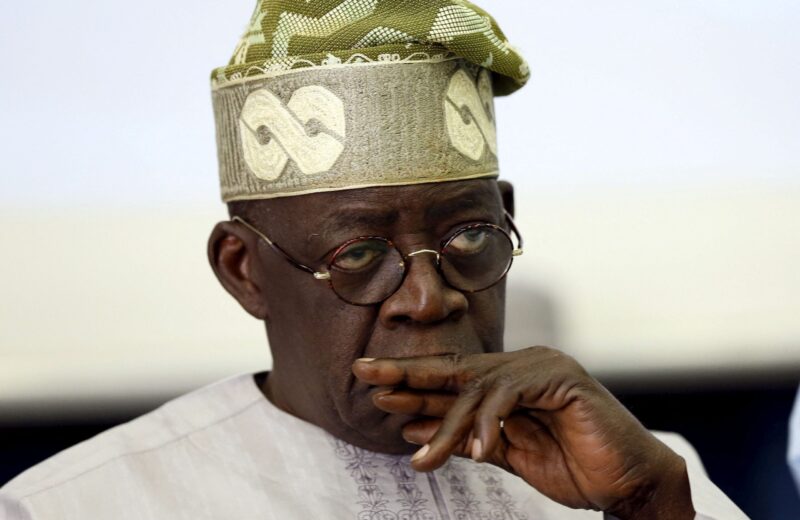
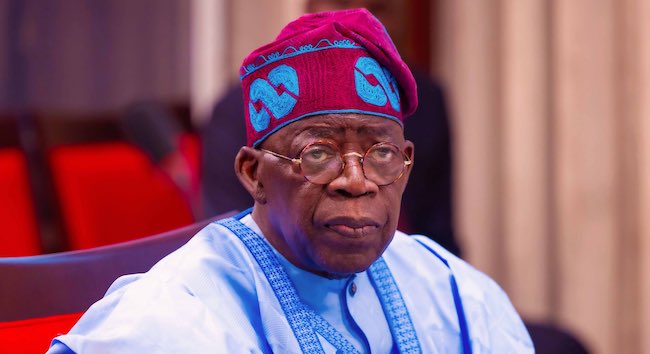
Beyond the state level, the APC has recorded significant gains in the National Assembly. Political reports indicate that more than 140 elected officials, including senators and members of the House of Representatives, have defected to the ruling party since President Bola Tinubu assumed office in May 2023. The defections have strengthened the APC’s numerical advantage in the legislature, enabling it to pass key bills with minimal opposition resistance.
Political analysts say the defections are driven by a combination of factors, including internal party crises, fears of political marginalization, and the desire to align with federal power ahead of future elections. An Abuja
based political analyst explained that politicians often migrate to the ruling party to secure access to state resources and maintain relevance within the political system.
The PDP, meanwhile, has accused the APC of deliberately weakening opposition parties through political pressure and inducements, allegations the ruling party has consistently denied. APC officials have argued that the defections are voluntary and reflect confidence in the party’s leadership and governance agenda.
Civil society organizations and democracy advocates have expressed concern that the steady erosion of opposition strength could undermine democratic checks and balances. According to them, a weak opposition limits legislative scrutiny, reduces policy debate, and concentrates political power within a single party.
“A functional democracy thrives on competition and accountability,” said a civil society advocate. “When opposition parties are hollowed out through mass defections, citizens are left with fewer choices and weaker institutions.”
Although Nigeria remains constitutionally recognized as a multi-party state, observers warn that political practices—rather than legal frameworks—ultimately shape democratic outcomes. They argue that without stronger internal party democracy, electoral reforms, and independent institutions, the current trend could gradually entrench one-party dominance.
As the country approaches future electoral cycles, analysts say the ability of opposition parties to reorganize and regain public trust will determine whether Nigeria’s democracy maintains its pluralistic character or continues on its present trajectory.