Africa
Reciprocity in Conflict: How Covert Attacks Provoke Resistance -By Abba Dukawa
Governor Abba Kabir belongs to every Kanawa and to no one – he’s the people’s governor, above political affiliation. One thing that amazes me is how he’s unshaken by harsh, unguarded rhetoric against him, despite political differences. He proved to be a hero he gets things done. He talks less, acts more.

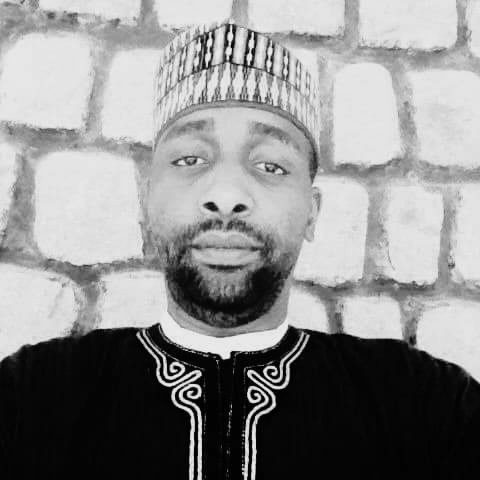
The caption “Reciprocity in Conflict: How Covert Attacks Provoke Resistance” captures the tense drama between Kwankwaso and Abba Yusuf. The godson’s subtle jabs suggest that he is quietly fighting back. Recent political palace coups indicate that the godfather and his supporters are now engaged in discreet confrontations. While the rhetoric fuels the fire, Governor Abba Yusuf has largely kept his cool.
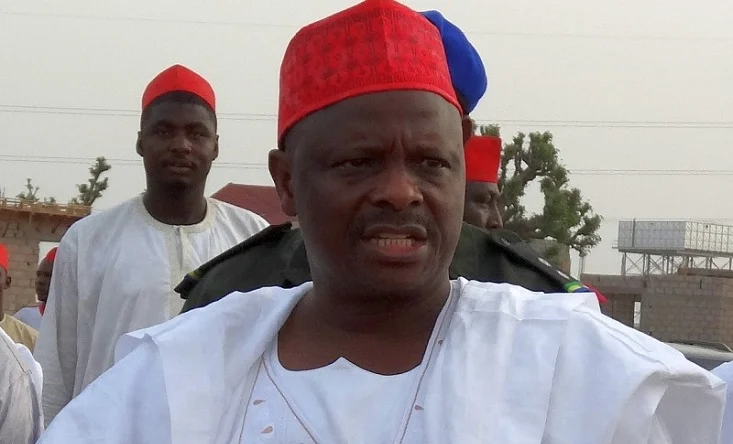
Kwankwaso
Although the conflict is not openly aggressive from Abba Yusuf’s side, it is unfolding through subtle actions and indirect responses. His quiet remarks and strategic moves suggest that he is no longer passive and is gradually pushing back against Kwankwaso’s influence. Behind the scenes, power shifts and internal political maneuvers appear to be driven largely by the godfather’s camp, relying on calculated but increasingly less cautious tactics rather than indirect confrontation. Despite the heated rhetoric from Kwankwasiyya supporters, which continues to escalate tensions, Governor Abba Yusuf has maintained a calm, controlled, and measured demeanor in his public conduct, managing the crisis with restraint and a deliberately quiet form of resistance.
It is worth recalling the pledge Governor Abba made in his acceptance speech: he thanked the people of Kano for entrusting him with their mandate, promised he would not betray their trust, and pledged to lead the state in the manner of his mentor. At the same time, he affirmed his allegiance to the people, invoking Kwankwaso as a model for governance.
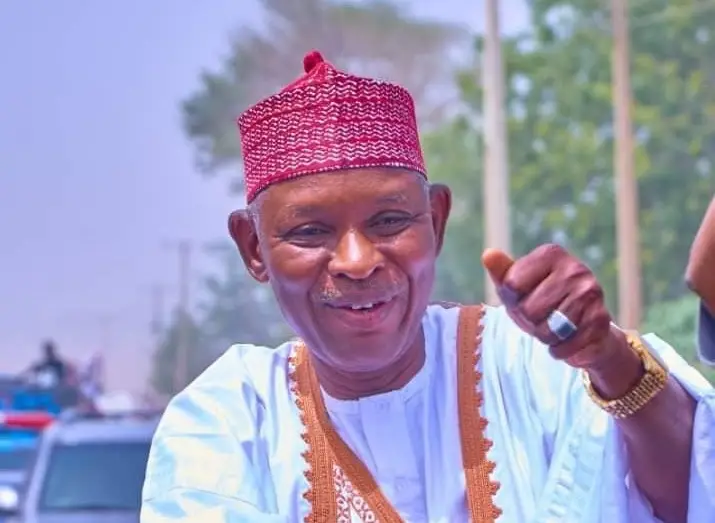
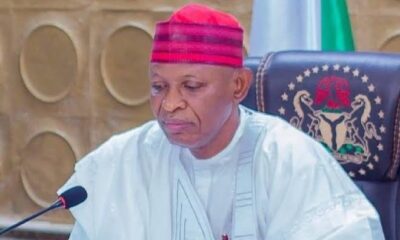
Abba Kabir Yusuf, Governor of Kano State
It’s not new in the country where politicians are best known for scheming situations to ensure their political survival, so it’s no surprise Governor Abba’s decision wasn’t seen as betrayal or ingratitude. Meanwhile, Rabiu Kwankwaso has changed parties several times: he defected to APC in 2013, returned to PDP in 2018, and joined NNPP in 2022, becoming its presidential candidate and national leader. Kwankwaso’s latest stance is he’s open to aligning with a party that offers him a shot at the presidency or VP in 2027. Despite his party-hopping, Abba has stuck with him.
The split between Kwankwaso and Abba seems respectful neither the governor nor his supporters publicly disrespected or went hard on Madogu because the palace coup has demoralized RMK’s political survival. His godson’s anticipation defection is a personal decision, not betrayal, but a calculated move to reclaim autonomy and free himself from Kwankwaso’s grip. With Abba exiting, NNPP’s national relevance takes a hit, and Kwankwasiyya faces a tough test without state power, risking diminished influence. Yusuf’s move may spark new alliances and political shifts in Kano.
For Kwankwasiyya leader and the supporters not realising their unguarded talking against their former ally have deepened political divisions, eroded his popularity, and provoked measured resistance from the godson amid RMK’s contradictory rhetoric.
The contradictory rhetoric isn’t a defense of Kwankwaso’s tactics, but a callout to sensitivity and the respect for the governor’s office and his person. Meanwhile, Kwankwasiyya loyalists label AKY a traitor, ignoring Yusuf’s restraint in keeping grievances private. What they call ‘betrayal’ is actually a bid for independence a necessary assertion of autonomy.
At this critical stage, Kwankwaso’s political control appears to have reached its limits . It’s time for him to step aside gracefully and preserve his dignity . By doing so, he can protect both his reputation and his place in history . Let’s not forget: the rift stems from Kwankwaso’s expectation of loyalty, while Yusuf insists on charting his own path.
Political watchers need to understand why Governor Abba Kabir Yusuf’s departure from Kwankwaso’s camp raises questions about his sincerity. A critical question emerges: why does Kwankwaso fall out with his protégés after they become governors? Can blame rest on one side alone?Governor Abba Kabir Yusuf’s defection from NNPP to APC marks a point of no return. The drama unfolding is a reminder: sowing discomfort has consequences you reap what you sow. Wisdom lies in knowing when to fight and when to retreat – strategic withdrawal preserves influence and keeps doors open for future relevance.
As the political ‘palace coup’ brews, RMK gathers confused Kwankwasiyya youths, spinning tales that paint him as a saint . He forgets: only Allah grants power and elevates whom He wills. But he conveniently omits why he disregarded those who helped him rise – like Senator Hamisu Musa, who introduced him to big players and backed his 1999 gubernatorial bid, only to be pushed out later . Others like Musa Gwadabe and Abubakar Rimi faced similar fates.
But he conveniently omits why he disregarded those who helped him rise to power. History shows successful politicians master timing, terrain, and temperament – they fight when the cause is just and retreat when odds are against them. Politics is a marathon, not a sprint. Survival depends on patience, strategy, and adaptability.
True leadership balances courage with restraint . Kwankwaso must know political influence isn’t eternal clinging to control risks extinction. Now, adaptation defiance. A dignified exit preserves legacy; stepping aside protects dignity and influence.
To every right-thinking person, Abba Yusuf’s fight for autonomy is crucial not out of disrespect, but because being seen as Kwankwaso’s puppet hurts his credibility and popularity . If he asserts independence, governs decisively, and shows leadership, he can secure his political future.
At this critical moment, RMK needs to understand that when a godfather gets sneaky, the godson often fights back. Instead of control, it sparks resistance and drama . Unethical tactics backfire – they breed retaliation, distrust, and conflict, not compliance. In Kano politics, Kwankwaso’s known for arrogance and control, and now he’s reaping the consequences a spectacle that’s both laughable and pathetic. Only God’s authority lasts, though.
Governor Abba Kabir belongs to every Kanawa and to no one – he’s the people’s governor, above political affiliation. One thing that amazes me is how he’s unshaken by harsh, unguarded rhetoric against him, despite political differences. He proved to be a hero he gets things done. He talks less, acts more.
Dukawa writes from Abuja and can be reached at abbahydukawa@gmail.com