Africa
Reckless Rhetoric Against the Nigeria Police Undermines National Interest -By Danjuma Lamido
Activism thrives on credibility and moral authority. When activism degenerates into habitual provocation and unfounded allegations, it ceases to serve the public good. If legality and integrity are to be discussed, perhaps it is time to question the consistency and relevance of Mr Sowore’s brand of activism

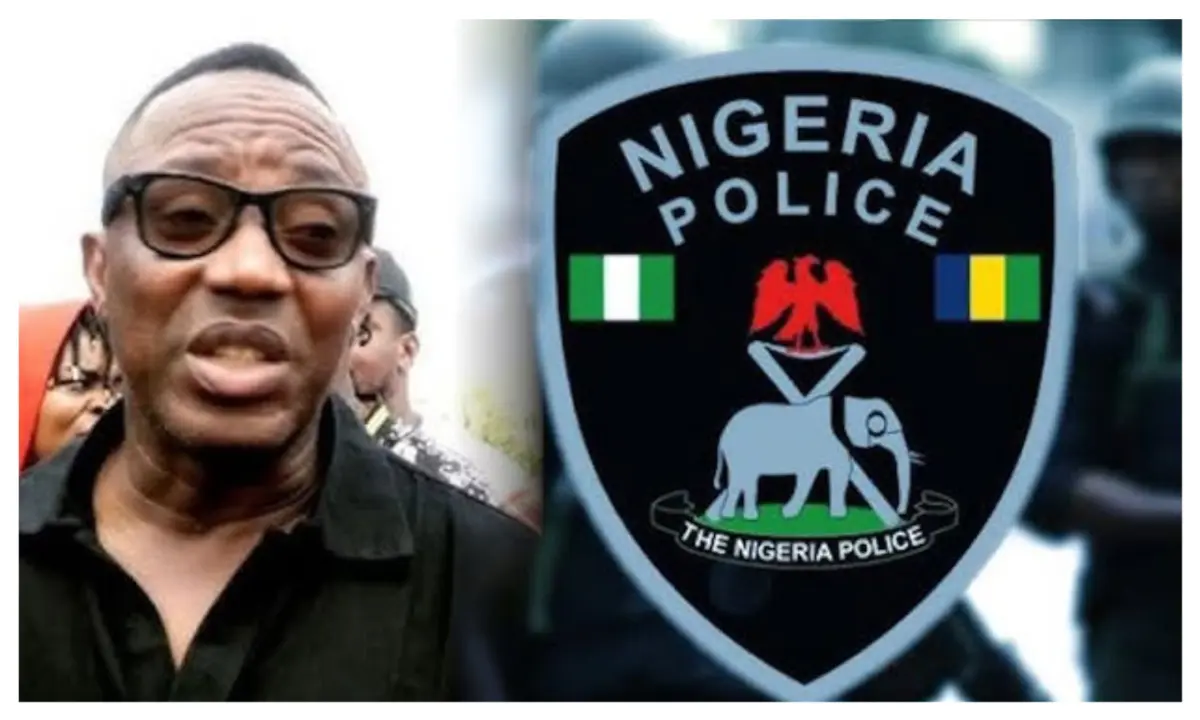
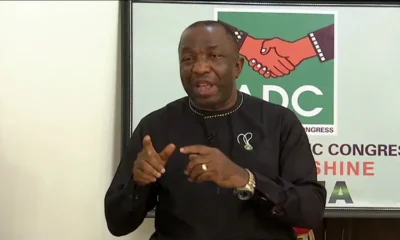
In recent times, Nigerians have been inundated with inflammatory and reckless utterances from perennial rabble-rouser Omoyele Sowore, who has once again chosen sensationalism over substance.
His recent description of the Nigeria Police Force as “criminals” and his claim that the Inspector-General of Police, Kayode Egbetokun, is “illegal” are not only misleading but also deeply irresponsible.
Words matter. When an individual who once paraded himself as a voice of accountability resorts to name-calling and blanket condemnation of a national institution, it raises serious concerns about motive and credibility.
If Mr Sowore insists that the Nigeria Police Force is “criminal”, he owes Nigerians a duty to substantiate such an outrageous claim.
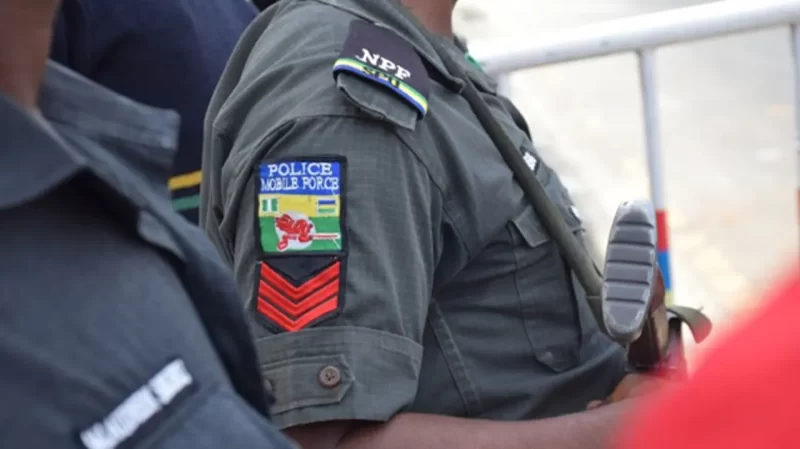
The Nigeria Police Force is constitutionally and statutorily mandated to protect lives and property, prevent and detect crime, maintain public order, and enforce all laws and regulations.
These are not abstract aspirations; they are the core responsibilities of the Force under Nigerian law. To label an entire institution, comprising thousands of officers who risk their lives daily, as “criminal” without evidence is malicious and baseless.
It is important to acknowledge that, like every large institution, the police may face challenges. However, reforms are ongoing. The Nigeria Police Force has repeatedly affirmed its commitment to transitioning into a more professional, accountable, people-friendly, and technologically driven institution.
Branding the entire force as “criminal” undermines reform efforts, demoralises officers, and erodes public confidence in a critical security institution.
Rather than demonise the police, Nigerians should support efforts aimed at strengthening the force in line with its vision and mission to enforce laws, detect crime, and protect lives and property while upholding human rights and collaborating with the community.
These principles are embedded in the Nigeria Police Act and remain central to ongoing reform initiatives.
On the question of the Inspector-General’s tenure, Mr Sowore’s claim that Nigeria has an “illegal” IGP is legally unfounded. Section 18(8a) of the Nigeria Police Act 2020 (as amended in 2024) clearly provides that an inspector-general of police shall remain in office until the completion of his stipulated four-year tenure, notwithstanding the attainment of 60 years of age or 35 years of service. This provision expressly overrides the standard retirement rules outlined in Section 18(8).
Therefore, there is nothing “illegal” about the tenure of IGP Kayode Egbetokun. The law is clear. Those who argue otherwise either misunderstand the statute or deliberately misrepresent it to stir controversy.
Activism thrives on credibility and moral authority. When activism degenerates into habitual provocation and unfounded allegations, it ceases to serve the public good. If legality and integrity are to be discussed, perhaps it is time to question the consistency and relevance of Mr Sowore’s brand of activism.
One might even argue that the label “illegal” sits more comfortably with conduct that seeks to delegitimise lawful institutions without evidence.
Nigeria faces complex security challenges. At such a time, responsible discourse, not reckless rhetoric, is what the nation needs. Constructive criticism is welcome in any democracy.
But sweeping accusations against national institutions, without proof, only weaken collective efforts to build a safer and more just society.
The Nigeria Police Force deserves scrutiny, yes, but it also deserves fairness. And above all, it deserves the support of Nigerians as it works to fulfil its mandate under the law.
Danjuma Lamido writes from Yola, Adamawa. Email: danjumalamido2011@gmail.com