Africa
Remembering The Fifteen Unforgotten Sins of Former Governor El-Rufai -By Jabir T. Usman
Elevating a figure with such a track record to a higher national office would pose a significant threat to Nigeria’s future. His tenure in Kaduna stands as a stark warning of the devastation wrought when power is exercised without compassion, accountability, or respect for the rule of law. He who come to equity must come with clean hands.

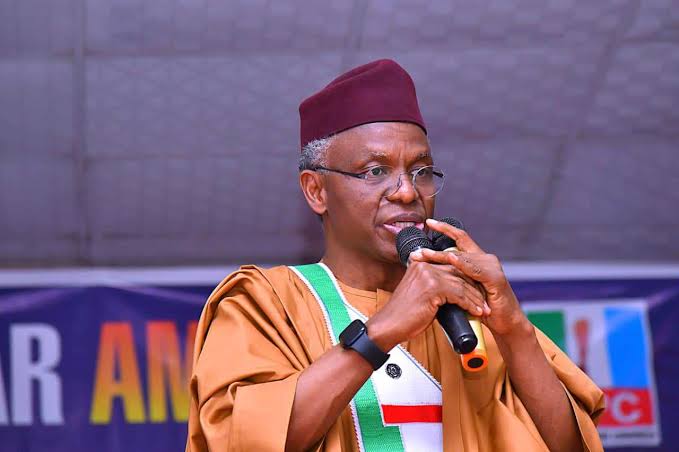
As former Governor El-Rufai now resorts to recycling falsehoods out of frustration, we find it necessary to reciprocate by revisiting the legacy of his sorrowful and inhumane policies when he was the governor of Kaduna state.
1. A Reign of Demolitions:
El-Rufai normalized the demolition of markets, displaying a callous disregard for the livelihoods of shop owners. His administration consistently failed to provide viable alternatives for relocation or income, leaving countless families in destitution.
2. The Purge of Traditional Rulers:
He arbitrarily dismissed numerous traditional rulers and district heads, pillars of peace and unity enthroned by previous administrations.This dismantling of a critical governance structure severely disrupted community cohesion and the delicate balance of power.
3. Abandoning Bomb Blast Victims:
A tragic bomb blast occurred during his controversial civil servant verification exercise. In a profound display of indifference, El-Rufai’s administration refused to compensate the victims and their families, compounding their tragedy.
4. Mass Retrenchment Without Redress:
His government retrenched thousands of workers, deliberately withholding their benefits. This inhumane policy not only devastated individual lives but also fueled a surge in unemployment and poverty across the state. Which is common knowledge that unemployment also leads to insecurity!
5. Inciting Ethnic Division:
El-Rufai was notorious for making inflammatory statements targeting the people of Southern Kaduna. His rhetoric deliberately deepened ethnic and religious fissures, undermining peace and unity.
6. Terminating the Ramadan Feeding Programme:
In a move that targeted the vulnerable, he abruptly terminated a previously established Ramadan feeding programme, stripping the less privileged of crucial support during the holy month.
7. Ruthless Demolitions in the Rainy Season:
His administration demonstrated its cruelty by demolishing homes in “Alhuda Huda College Zaria” at the peak of the rainy season, deliberately rendering families homeless when shelter was most critical.
8. Making Education a Privilege:
By drastically hiking tuition fees at state-owned tertiary institutions, he priced out thousands of students. Education, a fundamental right, was transformed into a luxury for the affluent under his watch.
9. Defiance of the Judiciary:
El-Rufai’s administration operated with blatant contempt for the rule of law, routinely disregarding court judgments. This pattern raises grave concerns about his commitment to judicial independence.
10. Targeting Religious Centers:
There were credible allegations that his demolition campaigns specifically targeted some worship centers of “Shia” adherent, while sparing similar structures of other faiths, fueling widespread accusations of religious bias.
11. The Fire-Sale of Public Assets:
Public properties were privatized under a cloud of opacity, often sold at questionable rates to political allies rather than for the public good, effectively robbing the people of their collective assets.
12. Reckless Borrowing and Empty Promises:
Despite accruing massive debt and receiving substantial federal allocations, Kaduna state showed little commensurate infrastructural development. The debt burden increased without any tangible benefit to the citizens.
13. The Weaponization of Power Against Opponents:
El-Rufai routinely used state apparatus to persecute, harass, and intimidate political opponents, creating an environment where dissent was silenced through fear.
14. The Disdain for Civil Servants:
His tenure was marked by a palpable contempt for the civil service. He frequently dismissed or retrenched civil servants without due process, fostering an atmosphere of perpetual insecurity and fear.
15. His tenure was defined by a culture of secrecy and corrupt enrichment, where public contracts were routinely awarded through opaque processes, leading to a landscape of abandoned projects and a gross misappropriation of state resources.
To many outside Kaduna, El-Rufai was packaged as a reformist messiah, a fiction sustained by media propaganda. However, for those who endured his administration, the reality was one of profound hardship. His governance was characterized by arrogance, insensitivity, and a fundamental disregard for democratic norms.
Elevating a figure with such a track record to a higher national office would pose a significant threat to Nigeria’s future. His tenure in Kaduna stands as a stark warning of the devastation wrought when power is exercised without compassion, accountability, or respect for the rule of law. He who come to equity must come with clean hands.
Jabir T. Usman writes from Sabon Gari Tudun Wada Kaduna jabson.usman@gmail.com