Opinion
Renewing The Political Mindset: A Call For Nigerian Lawmakers To Embrace True Democracy, by Isaac Asabor

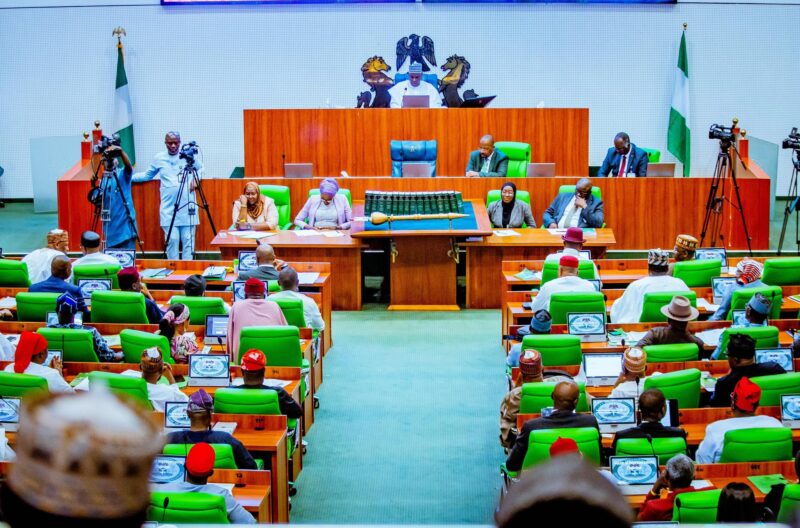
In the same way Apostle Paul urged Christians to renew their minds to align with the principles of Christendom, it is imperative for Nigerian lawmakers and politicians to undergo a similar transformation in their approach to governance. The recent attempt by Hon. Tajudeen Abbas to sponsor a draconian bill, which was eventually withdrawn due to its undemocratic nature, serves as a stark reminder that Nigeria is a democracy, not a military regime.
Without a doubt, Nigeria has in recent times witnessed a growing concern among the people about the nature and direction of some legislative proposals. One such bill, sponsored by Hon. Tajudeen Abbas, has been the subject of intense public scrutiny, criticism, and eventual withdrawal due to its perceived draconic provisions. The episode serves as a poignant reminder of the need for Nigerian lawmakers to align their legislative pursuits with the principles of democracy and the fundamental rights of the people.
Hon. Tajudeen Abbas, who represents the Zaria Federal Constituency in the House of Representatives, proposed a bill that was intended to address issues of security and public order. However, the specifics of the bill raised alarm among human rights activists, legal experts, and the general populace. The bill was seen as an overreach of governmental powers, with provisions that could potentially infringe on citizens’ fundamental rights.
The most contentious aspect of the bill was its broad and vague language, which granted sweeping powers to the executive branch. Critics argued that the bill would allow the government to curtail freedom of expression, assembly, and association, all in the name of maintaining public order. Furthermore, the bill proposed severe penalties for individuals or groups deemed to be in violation of its provisions, raising fears of a crackdown on dissent and opposition voices.
As details of the bill emerged, a wave of public outcry ensued. Civil society organizations, human rights groups, and legal practitioners voiced their concerns, labeling the bill as draconian and undemocratic. The bill was seen as a throwback to Nigeria’s dark days of military rule, where draconian laws were used to silence dissent and oppress the populace.
Social media platforms became a battleground for discussions on the bill, with hashtags calling for its rejection trending across the country. Many Nigerians, already grappling with economic challenges and perceived government overreach, saw the bill as an attempt to further erode their rights and freedoms.
Faced with mounting opposition and widespread criticism, Hon. Tajudeen Abbas decided to withdraw the bill. In a statement, he acknowledged the concerns raised by various stakeholders and emphasized his commitment to democratic principles and the rule of law. The withdrawal of the bill was widely celebrated as a victory for democracy and a testament to the power of public opinion in shaping legislative processes.
The controversy surrounding the withdrawn bill highlights several key lessons for Nigerian lawmakers. First and foremost, it underscores the importance of drafting legislation that aligns with the country’s democratic values and respects the rights of its citizens. Laws that infringe on fundamental freedoms are not only likely to face resistance but also risk undermining the credibility of the legislative body.
Secondly, the episode serves as a reminder that Nigerian politicians must renew their mindsets to reflect the realities of a democratic society. The days of military decrees and authoritarian governance are long gone, and lawmakers must recognize that their primary responsibility is to serve the people and protect their rights.
In fact, the incident reinforces the need for robust public engagement in the legislative process. The active participation of citizens, civil society, and the media is crucial in ensuring that laws reflect the will of the people and do not become tools of oppression.
Without a doubt, the withdrawal of Hon. Tajudeen Abbas’s controversial bill marks a significant moment in Nigeria’s legislative history. It serves as a powerful reminder that in a democracy, the voice of the people matters, and any attempt to undermine their rights will be met with resistance. As Nigeria continues to navigate its democratic journey, it is essential that lawmakers remain vigilant in upholding the principles of freedom, justice, and the rule of law.
Nigerians must continue to hold their leaders accountable and ensure that the nation’s laws reflect the aspirations of a people who have chosen democracy over dictatorship. The message is clear: Nigeria is a democracy, and its leaders must govern as such.
This proposed legislation, had it been passed, would have posed a significant threat to the democratic rights and freedoms that Nigerians have fought hard to secure. It is alarming that such a bill could even be conceived in a country that prides itself on being a democratic state. It reflects a mindset that is dangerously out of sync with the principles of democracy.
Apostle Paul’s call to Christians to renew their minds is a powerful metaphor for what is needed in Nigerian politics today. Our leaders must undergo a profound renewal of mindset, one that aligns with the democratic ideals of freedom, equality, and justice. This means rejecting any legislative action that seeks to undermine these ideals and embracing policies that protect and promote the rights of all Nigerians.
Nigeria’s history is marred by years of military rule, where draconian laws were the norm and democratic principles were trampled upon. We cannot afford to revert to those dark days. Our lawmakers must be reminded that their role is to serve the people within the framework of democracy, not to impose authoritarian measures that have no place in a free society.
Hon. Tajudeen Abbas’s bill was a wake-up call, a signal that there is still a need for vigilance in protecting our democracy. It is not enough for lawmakers to simply withdraw such bills under public pressure; they must also undergo a change in mindset that will prevent such undemocratic ideas from taking root in the first place.
As Nigerians, we must hold our leaders accountable and ensure that they are committed to upholding the values of democracy. We must remind them that their power comes from the people and that they are bound by the constitution to act in the best interest of the nation, not in pursuit of personal or authoritarian agendas.
Let this be a clarion call to all Nigerian politicians: renew your minds, align with democratic values, and remember that Nigeria is a democracy, not a dictatorship. The future of our nation depends on it.