Connect with us

Africa

Sacrificing Education on the Altar of Faith -By Chiechefulam Ikebuiro

Religion is a deeply personal matter, and as former Lagos State Governor Babatunde Fashola aptly put it, it should leave the public space and return to where it truly belongs—the home and places of worship. There is no justification for forcing educational institutions to conform to religious observances at the expense of children’s academic progress. If families choose to prioritize religious devotion over formal education, that should be a personal choice, not government imposed.

Published

on

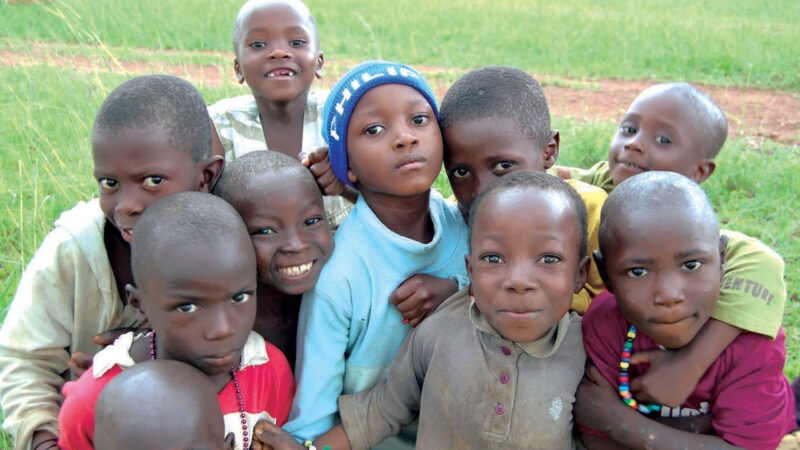
Young Northern Nigerian-children

What sounds like a dystopian movie plot is, unfortunately, a harsh reality unfolding in parts of Northern Nigeria.

The decision by some state governments to shut down schools for the entire Ramadan period is not only baffling but also deeply troubling. Even more concerning is the outright ban on extramural classes in one (?) of the states during this time.

One is forced to wonder what logic underpins this decision, and at what cost to the future of the affected children? Where else in the world is this sort of thing practiced?

At a time when Nigeria, especially northern Nigeria, is grappling with one of the highest numbers of out-of-school children globally, one would expect a more aggressive push towards improving education. Instead, some states are further worsening an already dire situation by wilfully disrupting learning. Should any serious government, aware of the long-term consequences of illiteracy, make such a choice?

For what it’s worth, the hypocrisy of this decision is glaring. How many of the enforcers of this directive have their children studying in Nigeria, let alone in these affected states? If education is so dispensable during Ramadan, why is it not dispensable for their children? Why must the children of the less privileged bear the brunt of policies that do not apply across board?

Advertisement

Religion is a deeply personal matter, and as former Lagos State Governor Babatunde Fashola aptly put it, it should leave the public space and return to where it truly belongs—the home and places of worship. There is no justification for forcing educational institutions to conform to religious observances at the expense of children’s academic progress. If families choose to prioritize religious devotion over formal education, that should be a personal choice, not government imposed.

How do we hope to compete in a world where knowledge is the new currency if we continuously stifle education for non-academic reasons? Will the future of these children not be compromised by such ill-advised interruptions?

This decision sets a dangerous precedent. If education can be suspended for Ramadan, what stops future administrations from closing schools for other religious, cultural, or even political reasons? Where does the line get drawn?

We must resist any policy that sacrifices learning opportunities for our children on the altar of religious convenience.

The world is moving forward, and we must decide whether we wish to progress with it or be left behind.

Advertisement

Chiechefulam Ikebuiro

chiechefulamikebuiro@gmail.com

Continue Reading
Advertisement
Click to comment

Leave a Reply

Your email address will not be published. Required fields are marked *

Trending Contents

Topical Issues

JAMB and UTME JAMB and UTME
Forgotten Dairies9 hours ago

The Role of Technology in Nigeria’s Education System -By Alheri Una

To fully maximize technology in education, government investment is crucial. Public-private partnerships can help provide internet access, digital devices, and...

Russian-Indian Business Dialogue, December 2025 Russian-Indian Business Dialogue, December 2025
Forgotten Dairies9 hours ago

Russia–India Dialogue Provides Platform for Strengthening Bilateral Entrepreneurship -By Kestér Kenn Klomegâh

Participants noted the development of Russia–India cooperation and implementation of joint business projects will continue at major international platforms, including...

David Sydney David Sydney
Africa9 hours ago

The Importance of Proper Legal Documentation in Business -By David Sydney

Where a business relationship is undocumented or poorly documented, even a legitimate claim may fail for lack of proof. Oral...

Bola Oyebamiji Bola Oyebamiji
Politics14 hours ago

The Deputy Question: How APC’s Choice Will Shape Osun’s 2026 Contest -By Kolapo Tokode

A Christian, Oke offers religious balance to Oyebamiji’s candidacy. He is widely regarded as financially buoyant and politically influential, particularly...

Forest Forest
Africa14 hours ago

The Devastating Impact Of Deforestation -By Favour Haruna

We can mitigate deforestation's effects by adopting sustainable choices and supporting conservation.Reduce paper usage, choose sustainable products, and spread awareness....

NEPA - DisCos NEPA - DisCos
Africa14 hours ago

Electricity Tariffs in Nigeria: Who Really Pays and Who Benefits -By Jennifer Joab

To fix the system, Nigeria needs more than just tariff reviews. There must be transparency in band classification, rapid rollout...

Kate Henshaw Kate Henshaw
Africa21 hours ago

You Can’t Photoshop Discipline: Kate Henshaw, Fitness, And The Hard Truth We Keep Dodging -By Isaac Asabor

Kate Henshaw did not say anything new. She said something true. And truth, especially when stated plainly, unsettles people who...

Rivers - Wike and Fubara Rivers - Wike and Fubara
Africa21 hours ago

How Wike, Fubara and Rivers’ Lawmakers Are Disrespecting President Tinubu -By Isaac Asabor

What Wike, Fubara, and the lawmakers have done, collectively and individually, is to tell Nigerians that the President can speak,...

nigeria-bandits-lead-illustration-new nigeria-bandits-lead-illustration-new
Africa21 hours ago

Insecurity in Nigerian Communities: A Threat to Peace and Development -By Khadija Shuaibu Muhammad

Insecurity in our communities has reached a critical level. If not addressed urgently and collectively, it could destroy the very...

HUNGER, Poor, Poverty in Nigeria HUNGER, Poor, Poverty in Nigeria
Africa21 hours ago

The Kampala Declaration: How African Youth Can Lead Food System Transformation to Accelerate the Achievement of Zero Hunger by 2030 -By Emeka Christian Umunnakwe

Africa’s food systems future is already being shaped by its young people, what remains is for governments, investors, institutions, and...