Economy
Squandered Blessings: Obasanjo’s Wake-up Call To Nigerian Leaders, by Isaac Asabor

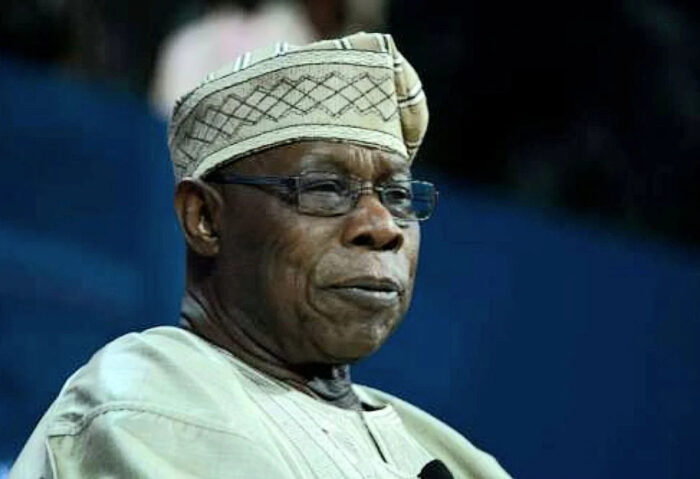
Nigeria, a country blessed with abundant natural resources, has been caught in a seemingly endless cycle of economic struggle and stagnation. Former President Olusegun Obasanjo’s recent statement, calling on Nigerian leaders to utilize the nation’s resources judiciously, could not have come at a more critical time. During the Methodist Archdiocese of Abuja’s 40th-anniversary celebration, Obasanjo emphasized that God had given Nigeria everything needed to thrive, but poor leadership and mismanagement have left the nation in its current dire state. His message, though poignant, resonates with the sentiments of millions of Nigerians who continue to witness the country’s wasted potential.
Obasanjo’s speech touches on a fundamental truth: Nigeria was not destined to struggle. Like Egypt, blessed with the River Nile, Nigeria has the Rivers Niger and Benue. Beyond rivers, the country is rich in crude oil, has fertile soil, and boasts numerous other natural resources that, if well managed, could propel it into prosperity. Yet, Nigeria is far from realizing its potential. Instead, it is a country grappling with severe economic issues, widespread poverty, and an alarming rate of unemployment. The question Obasanjo raises indirectly is, “What went wrong?”
The former president is right. Nigeria’s problem is not the absence of resources but the mismanagement of those resources. For decades, Nigerian leaders have demonstrated a worrying incapacity to properly harness the wealth of the nation. With each administration, the story remains the same: resources are plundered, corruption thrives, and the ordinary citizen is left to suffer the consequences of failed policies and unaccountability.
Obasanjo’s point about Nigeria’s abundant blessings is undeniable. The country has one of the largest reserves of crude oil globally, as well as natural gas, coal, and other minerals. Its agricultural potential is enormous, with vast stretches of arable land capable of producing food not only for domestic consumption but also for export. Yet, Nigeria is heavily dependent on food imports and constantly faces food insecurity. The nation’s crude oil, which should be a source of prosperity, has ironically become a curse, thanks to decades of corruption and gross mismanagement. Instead of funding national development and improving the lives of Nigerians, oil revenues have lined the pockets of a select few in power.
Agriculture, another critical sector, has been grossly neglected. Nigeria, once a leading exporter of agricultural produce, has become reliant on imports for essential goods such as rice and wheat. Fertile land remains underutilized due to poor infrastructure, lack of investment, and ineffective policies. The country’s failure to properly harness its agricultural wealth is a prime example of the kind of mismanagement Obasanjo highlighted in his speech.
At the heart of Nigeria’s struggles is poor leadership. The current generation of political leaders seems more interested in personal gain than national development. The resources meant to be used for the collective good have been siphoned into private coffers. Public funds that should have been allocated to build roads, improve healthcare, provide quality education, and enhance infrastructure have been wasted. Mismanagement and corruption at all levels of government have paralyzed growth, leaving Nigeria behind other nations that were once on a similar developmental trajectory.
South Korea, for instance, was at one point less economically advanced than Nigeria. Today, it is a technological powerhouse, with a high standard of living and a booming economy. The difference between the two countries is leadership. South Korea invested in its people, developed its industries, and used its resources wisely. Nigeria, on the other hand, failed to do so, and the results are evident in its poor economic performance and the widespread poverty of its people.
The people who suffer the most from this mismanagement are the ordinary Nigerians. The country’s infrastructure is in disarray; roads are dilapidated, healthcare is substandard, and schools are underfunded. Unemployment is at an all-time high, with millions of young people unable to find jobs despite having university degrees. The cost of living has skyrocketed, leaving many Nigerians struggling to make ends meet. Hunger is widespread, and for many, basic amenities such as electricity and clean water are luxuries.
The economic mismanagement Obasanjo speaks of has real and tangible effects on the daily lives of Nigerians. The discontent is palpable, and the frustration with the government is growing. Protests have become more frequent as citizens demand accountability and transparency from their leaders. Yet, the cycle of corruption and mismanagement continues, leaving many wondering if things will ever change.
While Obasanjo’s message reflects a truth that cannot be ignored, the solution lies not just in acknowledging the problem but in taking actionable steps to resolve it. Nigeria needs leaders who prioritize national development over personal gain. Leadership must be seen as a service to the people, not an opportunity to amass wealth. Public office holders should be held accountable for their actions, and corruption must be tackled head-on if any progress is to be made.
Obasanjo’s call for Nigerian leaders, clergy, and citizens to humble themselves and seek divine intervention is poignant, but Nigeria’s recovery will require more than just prayer. It will demand a total overhaul of the current leadership structure and a commitment to transparency, good governance, and responsible management of the country’s resources.
Despite the bleak state of affairs, Obasanjo’s statement offers a glimmer of hope. Nigeria has not been forsaken. The nation’s resources are still plentiful, and the potential for growth remains. With the right leadership, Nigeria can emerge from this period of economic stagnation and take its rightful place among the world’s prosperous nations. It is not too late for the country to turn things around. However, this will require a collective effort from all sectors of society, political leaders, religious institutions, civil society, and the citizens themselves.
Obasanjo’s wake-up call to Nigerian leaders is a timely reminder that the country’s problems are not insurmountable. God has indeed blessed Nigeria with all it needs to succeed, but it is up to its leaders to use those blessings wisely. The mismanagement and corruption that have plagued the country for decades must come to an end. Nigerian leaders must rise to the occasion, putting the nation’s interests first, and utilizing its resources to uplift the people. Only then will Nigeria truly fulfill its potential and break free from the cycle of struggle and poverty that has held it back for far too long.