
Africa
In PR, Atiku’s Politicization Of The Name, “T-Pain” Is A Misstep In Political Messaging, by Isaac Asabor

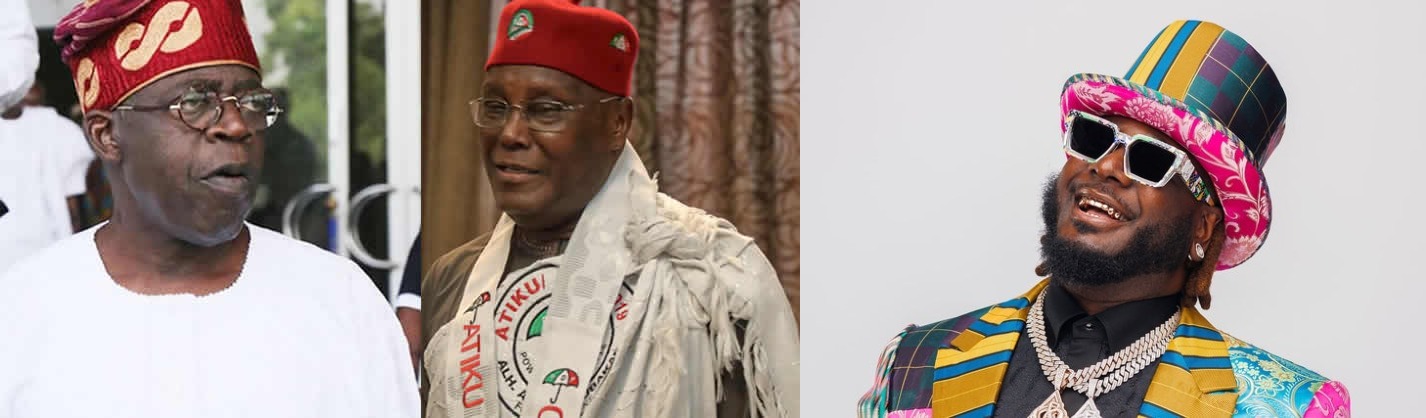
In the world of politics, messaging is everything. Candidates and political figures invest heavily in crafting narratives that resonate with the masses, often borrowing language and references from pop culture to connect with a broad audience. However, not all references land as intended, and in some cases, the use of a popular name or term can backfire. Such is the case with former Nigerian vice president and perennial presidential hopeful, Atiku Abubakar, who has recently stirred controversy by invoking the name “T-Pain” in his political discourse.
This move, which has puzzled many, raises important questions about the wisdom of politicizing the name of a globally recognized entertainer, and what this reveals about Atiku’s approach to political messaging. While pop culture and politics have long shared a symbiotic relationship, Atiku’s foray into the world of entertainment names has opened a debate on whether this specific reference was a misstep.
Before delving into why Atiku’s use of the name “T-Pain” is problematic, it is important to first understand the man behind the name. T-Pain, born Faheem Rasheed Najm, is an American rapper, singer, songwriter, and producer who rose to fame in the early 2000s. Known for his unique use of Auto-Tune, T-Pain has been credited with popularizing a vocal style that has since become a mainstay in modern music.
T-Pain’s contributions to the music industry are significant. He has won several awards, including Grammy Awards, and has collaborated with numerous high-profile artists across various genres. To his fans, the name “T-Pain” is synonymous with innovation, creativity, and a trailblazing spirit. It is no wonder, then, that his name carries weight and recognition worldwide.
In contrast, Atiku Abubakar’s sudden ascription of the moniker “T-Pain” to President Bola Tinubu as he faulted his handling of the fuel subsidy crisis in a tweet has left many scratching their heads. Atiku, a seasoned politician with decades of experience, has never been particularly known for aligning himself with popular culture references. So why now? And why choose a name so closely associated with a prominent figure in entertainment?
The issue lies not only in the confusion that such a move creates but also in the potential for unintended consequences. By co-opting the name of a well-known entertainer, Atiku runs the risk of alienating voters who might see this as an attempt to pander in authentically to a younger, more pop-culture-savvy demographic. In a political landscape where authenticity is often rewarded, such a move could backfire.
Atiku’s use of the name “T-Pain” appears to be a strategic attempt to symbolize the “pain” that Nigerians are experiencing under the current administration. The “T” could be interpreted as a reference to Tinubu, the current president, and his policies that Atiku may argue have inflicted economic and social pain on the country.
This kind of metaphorical use of language is not uncommon in politics, where candidates often seek to encapsulate complex issues in simple, memorable terms. However, in this case, the choice of “T-Pain” as a symbol feels forced. The original T-Pain is a cultural figure, one associated with music and entertainment, not with political suffering or economic hardship. By borrowing his name in this context, Atiku’s campaign risks trivializing the very real struggles that many Nigerians are facing today.
If Atiku’s goal was to highlight the pain that Nigerians are experiencing, there were countless other ways to do so without appropriating the name of an entertainer. Nigeria is a country rich with its own cultural references, symbols, and history. There are numerous ways to articulate the economic hardship that does not involve borrowing from American pop culture. In fact, a more thoughtful reference to Nigerian artists, poets, or historical figures might have struck a more resonant chord with the electorate.
Furthermore, the decision to use “T-Pain” undermines the gravity of the issues at hand. The name “T-Pain,” in its original context, does not evoke the serious economic, social, and political crises facing Nigeria today. Instead, it conjures up images of entertainment and leisure. For many voters, especially those who are struggling to make ends meet in an increasingly difficult economic climate, the use of such a lighthearted reference could feel tone-deaf.
It is also worth considering the reaction from T-Pain’s global fan base. While Atiku’s use of the name may have been intended for a Nigerian audience, in the age of the internet, nothing stays local for long. T-Pain’s fans, many of whom might not even be familiar with Nigerian politics, could interpret this move as a form of appropriation or disrespect towards the artist.
T-Pain himself has not yet commented on the issue, but his silence does not necessarily mean approval. If the controversy continues to gain traction, it is possible that the artist or his representatives might feel compelled to issue a statement clarifying the distinction between the entertainer and the political reference. This could further complicate matters for Atiku’s campaign, drawing unwanted international attention.
Atiku’s use of “T-Pain” is just one example of a larger trend in which political figures attempt to co-opt elements of pop culture in an effort to seem relatable or in touch with younger voters. However, as this case illustrates, such efforts can often backfire when they are perceived as inauthentic or disconnected from the realities of the electorate.
There is a fine line between using pop culture to enhance political messaging and misusing it in a way that confuses or alienates voters. Atiku’s adoption of the “T-Pain” moniker falls into the latter category, as it seems more like a gimmick than a genuine attempt to connect with the people.
In the grand scheme of Atiku Abubakar’s long political career, the use of the name “T-Pain” may seem like a minor misstep. However, in an election cycle where every word and gesture is scrutinized, even small mistakes can have large consequences. By politicizing the name of a beloved entertainer, Atiku has created unnecessary confusion and opened himself up to criticism from both voters and T-Pain’s fans.
As Nigeria faces numerous challenges, from economic hardship to social unrest, voters are looking for leaders who can address these issues with clarity and sincerity. Gimmicks and borrowed names are unlikely to win the hearts and minds of an electorate that is hungry for real solutions. If Atiku wants to connect with the Nigerian people, he would do well to focus on the issues at hand and leave the entertainers out of it.


























You must be logged in to post a comment Login