Forgotten Dairies
The Impact of Social Media on Academic Performance -By Salisu Muhammad Marafa
Social media platforms such as Facebook, YouTube, Twitter, and Instagram have created an online and offline divide. These platforms connect people across the globe, enabling communication, information sharing, entertainment, and learning. They have simplified our lives and become tightly woven into the daily routines of the younger generation.

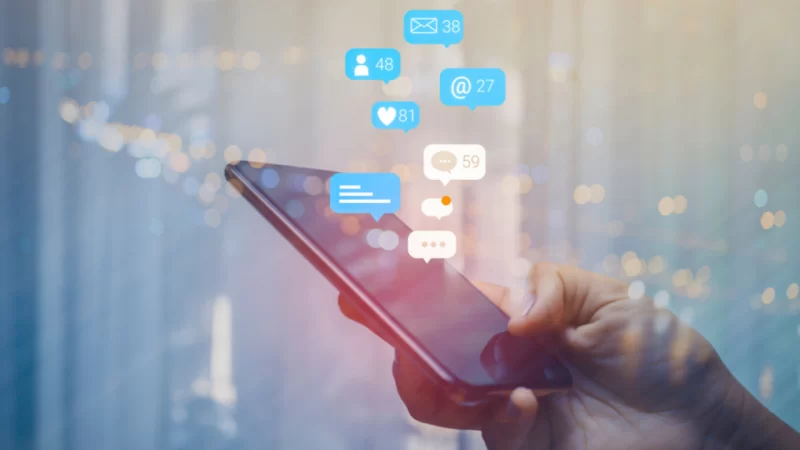
Today, the Internet has become an integral part of daily life. It is hard to imagine a young person who does not check social media or news updates at least once a day. The modern world requires us to stay connected and keep abreast of trends and events. But how does this constant connectivity affect students’ academic performance?
Social media platforms such as Facebook, YouTube, Twitter, and Instagram have created an online and offline divide. These platforms connect people across the globe, enabling communication, information sharing, entertainment, and learning. They have simplified our lives and become tightly woven into the daily routines of the younger generation.
Young users of social media interact with diverse communities, share experiences, and discuss issues important to them. This widespread usage highlights the potential of social media to impact both personal and academic life.
Social Media and Education
Social media is widely used by students for both social and academic purposes. Research indicates that when used positively, these platforms can enhance learning, facilitate collaboration, and improve access to educational resources. Teachers increasingly leverage social media to host live lectures, provide off-hour support, share study materials, and engage with students beyond the classroom.
Platforms like WhatsApp, Blogs, Facebook, and LinkedIn are being integrated into educational environments to foster communication, discussion, and collaboration. Social media encourages creative learning processes and enables students to interact with peers and educators from anywhere.
Research Focus
This study, conducted by Salisu Muhammad Marafa, aims to examine the impact of social media on the academic performance of students. Objectives include:
1. Investigating the types of social media platforms students use and their
frequency of use.
2. Examining the time spent on social media and its effects on academic performance
3. Analyzing the purposes for which students use social media and how these relate to learning outcomes.
Challenges Identified:
1.Time Management Issues: Students often spend more time on social media than on academic tasks.
2.Distraction and Multitasking: Constant notifications can interrupt learning and reduce focus.
3.Sleep Disruption: Nighttime usage of social media negatively affects sleep, leading to fatigue and poor academic performance.
Recommendations:
1.Universities should provide guidance and counseling for students to use social media responsibly.
2.Policies should limit social media usage during classes and exams to reduce distractions.
3.Students should be encouraged to use social media positively for academics, such as group discussions, research, and peer collaboration.
Conclusion
Social media is a powerful tool that, when used correctly, can enhance learning, creativity, and academic collaboration. As highlighted by Salisu Muhammad Marafa, Mass Communication Student at the Federal University of Kashere, understanding and managing the use of social media is crucial for students to achieve academic success. Both educators and students must work together to harness its potential while mitigating its risks.