Africa
Tinubu Cancels Celebrations: The IGP, Federal Executive Council Must Follow, and Media Must Expose Those Who Ignore Nigerians’ Pain, by John Egbeazien Oshodi

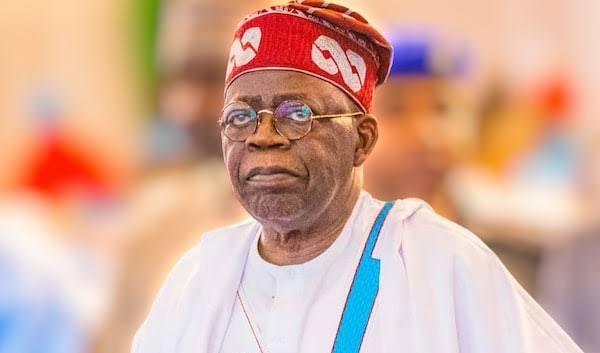
In the aftermath of devastating stampedes in Anambra, Abuja, and Ibadan, President Bola Tinubu’s decision to cancel all personal engagements resonates as a symbolic gesture of solidarity with grieving families. However, gestures alone cannot address the deep wounds of a nation reeling from systemic failures. These tragedies, which claimed over 80 lives, demand a comprehensive response that goes beyond symbolism. The Inspector-General of Police (IGP), state governors, and the Federal Executive Council must demonstrate genuine leadership by suspending their own celebrations and focusing on actionable solutions. At the same time, the media must expose any leaders who ignore the collective suffering of the nation and continue with personal festivities amidst such grief, ensuring they are rightfully shamed for their indifference.
President Tinubu’s cancellation of events is a step in the right direction, acknowledging the magnitude of these tragedies. Yet, true leadership requires more than gestures; it demands decisive action to address the systemic issues that have allowed such disasters to occur. The stampedes in Okija, Maitama, and Ibadan were not random incidents but direct results of poor planning, inadequate crowd control, and the absence of proactive law enforcement. These failures highlight a governance structure that reacts only after tragedy strikes rather than preventing it in the first place.
The IGP’s repeated inability to oversee and enforce proactive measures is a glaring failure. Public events, especially those involving food distribution during an economic crisis, carry inherent risks of overcrowding. In a functioning society, the mere public announcement of such events should automatically trigger police involvement. Yet, time and again, law enforcement in Nigeria has shown a lack of preparedness, allowing chaos to unfold. The IGP’s response—ordering investigations into event organizers—misses the mark entirely. It shifts the focus away from the police’s failure to anticipate and manage high-risk situations. This pattern of negligence is unacceptable and demands accountability at the highest levels.
State governments also bear responsibility for ensuring public safety within their jurisdictions. There is an urgent need for laws that mandate proper planning and risk management for large public gatherings. Event organizers must be legally required to notify authorities well in advance, enabling proper preparation and the deployment of law enforcement. However, police involvement should not be contingent on formal invitations. The police’s core duty is to protect lives, and this responsibility should be triggered automatically when risks are apparent. Laws must also hold both organizers and law enforcement accountable for any lapses that lead to loss of life or injury.
The failures of the police extend beyond the stampedes. Recent incidents, such as the detention of protesting minors who were starved and denied medical care until their release was ordered by the president, illustrate a deeper systemic issue. These repeated failures erode public trust and highlight the urgent need for reform. President Tinubu must act decisively, not out of sentiment but with a clear commitment to accountability. The IGP’s tenure must be evaluated, and if necessary, the president should appoint leadership that prioritizes proactive measures and public safety.
State governors must also take decisive action against police commissioners who fail in their duties. Governors have the authority to dismiss commissioners who do not prioritize public safety. This is not about assigning blame but about enforcing standards that protect citizens and restore trust in governance. Governors must collaborate with community leaders and law enforcement to establish clear protocols for managing large gatherings, ensuring that tragedies like these do not happen again.
The media has a vital role to play in this process. Journalists must hold public officials accountable, exposing any who prioritize personal celebrations over the nation’s pain. The media must also investigate and report on systemic failures, shedding light on the negligence that allowed these tragedies to occur. Public scrutiny is essential to ensure that leadership aligns with the needs of the people and that no official escapes accountability.
Beyond symbolic gestures and accountability measures, this moment calls for immediate and tangible reforms. The government must prioritize the establishment of comprehensive crowd management protocols, including training law enforcement officers in risk assessment and crowd control. Emergency relief funds should be allocated to support the families of victims, providing medical care, psychological counseling, and financial aid. Addressing the root causes of these tragedies—poverty and hunger—requires economic policies that provide a safety net for the nation’s most vulnerable. Public education campaigns are also essential to raise awareness about safety measures and prevent overcrowding during public events.
The stampedes in Anambra, Abuja, and Ibadan must serve as a turning point for Nigeria. They reveal the cracks in the nation’s governance and the urgent need for reform. President Tinubu’s cancellation of celebrations is a commendable gesture, but it must be followed by decisive action from all levels of leadership. The IGP and Federal Executive Council must prioritize the safety and well-being of Nigerians, while the media ensures that no leader’s negligence goes unnoticed. This is a moment to transform grief into progress, to rebuild trust in governance, and to ensure that the lives lost in these tragedies are not in vain. Leadership is not about gestures alone; it is about action, sacrifice, and a commitment to the people. The time to act is now.

Professor John Egbeazien Oshodi, born in Uromi, Edo State, Nigeria, is an American-based police and prison scientist, forensic/clinical psychologist, public policy psychologist, and legal psychologist. He’s a government advisor on forensic-clinical psychological services in the USA and the founder of the Dr. John Egbeazien Oshodi Foundation for Psychological Health. With a significant role in introducing forensic psychology to Nigeria through N.U.C. and Nasarawa State University, he’s also a former Secretary-General of the Nigeria Psychological Association. He’s taught at esteemed institutions like Florida Memorial University, Florida International University, Nova Southeastern University, and more, and is currently an online faculty member at ISCOM University, Weldios University and Walden University.