
Africa
Wike’s “Gragra Politics”: A Blessing Or A Curse?, by Isaac Asabor

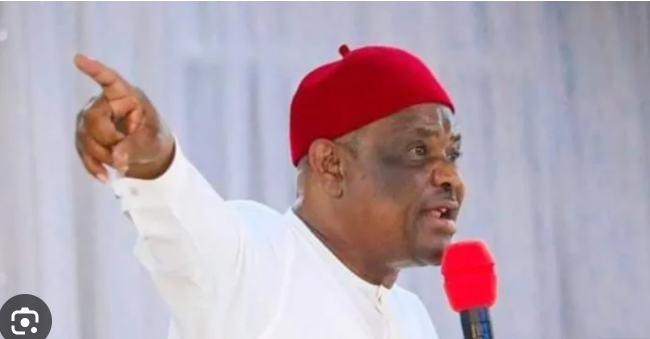
In the labyrinth of Nigerian politics, a leader’s temperament can often dictate the trajectory of his or her career and influence. Nyesom Wike, a former governor of Rivers State and current Minister of the Federal Capital Territory (FCT), is a man whose political antics are as well-known as his accomplishments. However, his penchant for confrontational and domineering politics, commonly referred to in Nigerian parlance as “gragra”, has stirred debates about its appropriateness in the delicate dance of governance and diplomacy. While Wike’s boldness has brought him success, his style raises fundamental questions about the sustainability of his methods in fostering unity and achieving national progress.
In Nigerian slang, “gragra” connotes an aggressive, combative, and often impatient approach to situations. This style, marked by impulsive decisions and a lack of subtlety, might achieve short-term victories but often proves detrimental in the long run. Wike exemplifies this style in many ways. Known for his fiery rhetoric, public criticisms, and unyielding demeanor, he often approaches politics as though it were a zero-sum game where one either wins decisively or loses entirely.
Wike’s leadership style has earned him both admirers and detractors. Admirers see him as a courageous leader unafraid to speak truth to power, while detractors view him as a divisive figure whose methods undermine the very cohesion necessary for effective governance. For instance, his outspoken criticisms of both opposition and allies, from internal squabbles within the People’s Democratic Party (PDP) to his confrontations with fellow politicians, frequently overshadow his achievements, leaving questions about whether his “gragra” is an asset or a liability.
In politics, perception is almost as important as performance. A leader’s ability to inspire confidence among his or her constituents, allies, and even opponents is crucial for creating an atmosphere conducive to progress. Confrontational politics, however, breeds division and resentment. Wike’s approach often leaves him in a precarious position where he must rely solely on his own charisma and resources to advance his agenda. This can lead to political isolation, a dangerous scenario in a system as collaborative as Nigerian politics.
Moreover, his methods risk alienating the very people he seeks to lead. Take, for example, his tenure as Rivers State governor. While his administration delivered on infrastructure projects and improved security in the state, his confrontations with local and national figures often diverted attention from these achievements. Critics argue that his governance style could have been even more impactful had he spent less time on public spats and more on building bridges.
Politics is often described as the art of negotiation, persuasion, and compromise. Effective leaders are those who can rally people around a common vision, even when disagreements arise. Diplomacy and tact are essential tools in fostering relationships and maintaining the delicate balance needed for progress.
Wike’s recent actions, including his public criticisms of fellow politicians and perceived high-handedness in governance, have raised eyebrows. For example, his declaration that “Rivers money is not Abuja money” during his governorship was a pointed jab at federal authorities. While his rhetoric earned him applause for standing up for state autonomy, it also strained relationships with key stakeholders who could have been instrumental in furthering Rivers’ interests.
Nigeria’s political landscape is replete with examples of leaders who fell from grace due to their inability to manage relationships. The late Alhaji Waziri Ibrahim, a respected politician, once remarked that politics is about people and the relationships you nurture. Leaders who alienate others in their quest to dominate often find themselves isolated when they need support the most.
Consider the case of former Lagos State governor Akinwunmi Ambode, whose failure to manage political relationships within his party cost him a second term. Despite his stellar performance in infrastructure development and urban planning, his lack of diplomacy alienated key stakeholders, leading to his ouster during the party primaries. Wike risks a similar fate if his confrontational style continues unchecked.
As the Minister of the Federal Capital Territory, Wike has stepped onto a larger stage where his actions and words carry even greater weight. The FCT is not just a region; it is the administrative and political nerve center of Nigeria. Managing the FCT requires a nuanced approach that balances the interests of diverse groups, from residents to international stakeholders.
Wike’s initial days in office have been marked by decisive actions, such as the demolition of illegal structures and attempts to restore the city’s master plan. While these actions resonate with his reputation for taking bold steps, they also highlight the need for a more inclusive approach. Critics argue that while enforcement of the law is necessary, doing so without adequate consultation and consideration of the human impact risks creating resentment among affected populations.
Wike’s intelligence, experience, and achievements are not in doubt. However, to sustain relevance in Nigeria’s evolving political landscape, he must temper his “gragra” with humility and diplomacy. The ability to listen, build consensus, and embrace differing opinions is what distinguishes great leaders from merely effective ones.
For instance, his relationships with other political figures could benefit from a more conciliatory approach. Rather than burning bridges with allies and opponents alike, Wike should focus on creating alliances that amplify his influence and effectiveness. This is particularly important as he navigates the complexities of federal politics, where success often depends on collaboration rather than confrontation.
Wike’s leadership journey offers valuable lessons for other politicians. While boldness and decisiveness are admirable traits, they must be balanced with tact and empathy. Nigerian politics is not a battlefield; it is a forum for collective problem-solving. Leaders who approach governance with a combative mindset risk alienating the very people they are meant to serve.
Wike’s tenure as FCT Minister provides a unique opportunity for him to demonstrate that he can adapt his style to meet the demands of national leadership. Nigerians are watching, not just for his ability to deliver infrastructure and services, but also for his capacity to lead with grace and inclusivity.
In politics, passion without restraint can become a liability. Wike must recognize that governance is not about scoring points in a personal vendetta but about creating a legacy of progress and unity. The question remains: Will he adapt, or will his “gragra” continue to overshadow his potential for greatness?
In the grand scheme of things, Wike’s gragra is both a blessing and a curse. While it propels him to act decisively and stand firm in the face of opposition, it also risks alienating allies and undermining his broader goals. As he continues his journey in national politics, Wike must embrace a more diplomatic approach, recognising that true leadership lies in bringing people together, not driving them apart.
Ultimately, “gragra” nor good for politics. The time has come for Wike to refine his approach, proving that boldness and diplomacy can coexist in the pursuit of progress and unity.
Without a doubt, Nyesom Wike, Nigeria’s combative and controversial political figure, has earned a reputation for his fiery rhetoric and unapologetic “gragra” style of politics. As Minister of the Federal Capital Territory (FCT) and former Governor of Rivers State, Wike’s approach often reflects an unyielding determination to push his agenda, regardless of dissenting opinions. While some argue that his boldness and decisive actions are what Nigeria needs in its leadership, others view his style as polarizing and counterproductive. For instance, his strict enforcement of policies in the FCT has been praised for attempting to restore order and discipline in Abuja, but it has also drawn criticism for displacing vulnerable communities and creating tension among stakeholders.
The question of whether Wike’s “gragra politics” is a blessing or a curse depends on perspective. On one hand, his proactive stance could drive much-needed reforms in governance, bringing accountability and action to sectors plagued by stagnation. On the other hand, his confrontational approach risks alienating key allies and fostering an atmosphere of fear rather than collaboration. Critics argue that governance thrives on diplomacy and inclusiveness, elements often overshadowed in Wike’s method. As Nigerians debate his legacy, one thing is clear: Wike’s unrelenting style has left an indelible mark on the nation’s political landscape, sparking conversations about the balance between assertive leadership and collective progress.

























You must be logged in to post a comment Login