National Issues
Tinubu’s Order to Withdraw VIP Police Guards: A Turning Point or Another Empty Directive? -By Tochukwu Jimo Obi
Strengthening the Nigerian Security and Civil Defence Corps (NSCDC) offers a realistic alternative for private protection needs. A formal framework should channel all payments for authorised private security into a dedicated Central Bank account, earmarked for NSCDC funding. This would create transparency, ensure proper budgeting, and reduce incentives for diverting police manpower into private hands.

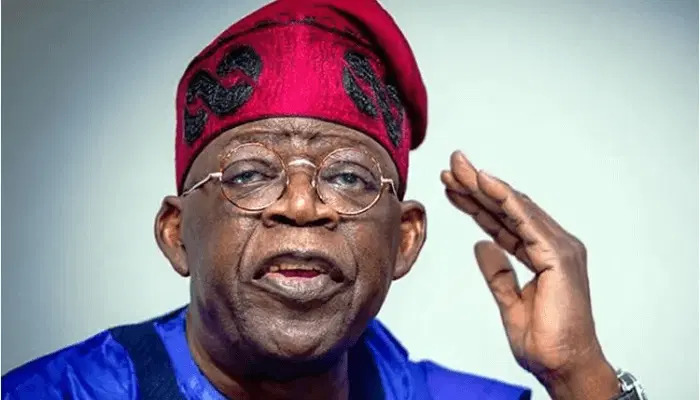
President Bola Ahmed Tinubu’s order to the Inspector General of Police to withdraw all police officers attached to VIPs and redeploy them to mainstream policing is a long-overdue corrective step. The directive recognises an obvious distortion in Nigeria’s security architecture: thousands of officers assigned to individuals rather than to the public they are meant to serve.
The policy is not new. Successive Inspectors General have announced similar withdrawals, each collapsing into empty pronouncements. The problem has never been the absence of directives but the absence of enforcement. Political figures, expatriates, business moguls and wealthy private individuals have all enjoyed the privilege of police protection without transparent criteria. The term “VIP” remains vague, allowing the system to be exploited by anyone with influence or financial leverage.
If Tinubu’s directive is fully implemented, the gains are clear. A significant number of officers would return to core policing duties, improving response times, visibility, and deterrence across the country. But meaningful impact demands more than reassigning personnel. Many police units lack patrol vehicles, functional communication tools, and basic protective equipment. Returning officers to the streets without upgrading operational capacity risks producing little more than a cosmetic change.
The military dimension cannot be ignored either. Soldiers are also routinely attached to private individuals and companies, a practice that weakens professionalism and stretches already burdened forces. Ending such deployments should accompany the police reforms if the government is serious about restoring order to Nigeria’s security sector.
A more durable solution requires legal backing. Deploying police officers as private guards should be expressly illegal, with stiff penalties for both officers and commanders who sanction such assignments. This is the only way to break the culture of impunity and personal influence that has fuelled the misuse of state security assets.
Strengthening the Nigerian Security and Civil Defence Corps (NSCDC) offers a realistic alternative for private protection needs. A formal framework should channel all payments for authorised private security into a dedicated Central Bank account, earmarked for NSCDC funding. This would create transparency, ensure proper budgeting, and reduce incentives for diverting police manpower into private hands.
Beyond these structural reforms, public communication will be crucial. Nigerians need clear, accessible information on how many officers are being withdrawn, where they are being redeployed, and what measurable improvements the reforms aim to produce. Transparency will not only build trust but also create pressure on the police hierarchy to deliver results. Without open reporting and citizen feedback, the reform risks being conducted in a black box, shielded from scrutiny and vulnerable to quiet backtracking.
Finally, directives without monitoring are destined to fail. The presidency should establish an independent compliance mechanism empowered to track withdrawals, audit assignments, and publish regular reports. Public scrutiny would help prevent the quiet reversal that has undermined previous attempts. Tinubu’s decision is sound, but its success depends on sustained political will and the readiness to confront vested interests that benefit from the dysfunctional status quo.