Africa
Ukodo: Concept of a Hands-on Servants -By Pius Mordi
It is the true definition of ukodo – paying attention to details, making funds spent on projects to count and when there are infractions, punish the guilty party. If there are roads that last far longer than those commissioned before ukodo came into office, the sheriff’s approach explains it.


Ukodo is an exotic delicacy peculiar to the Urhobo and Isoko people in Delta State. It is the product of diligent culinary engineering. The chef is obligated to keep an eye all along the process with attention to details. Oil is not part of the ingredients which is a huge plus given what scientists tell us about the seeming harmful effects of oil. But these new findings about palm oil may have put a lie to what scientists have been telling us. A matter for another day. The final product, the famous ukodo, is something else. With wonderful spices known only to the Urhobo and Isoko that give it a fantastic aroma, ukodo is a revered delicacy. It is a beautiful meal that makes yam cooked and seasoned with fresh fish and cooked beef a different ball game.
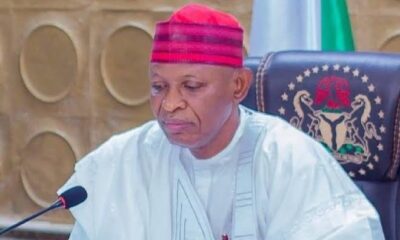
Until he became governor of Delta State, not much was known about Rt. Hon. Sheriff Oborevwori who until May 2023 was the Speaker of the state’s House of Assembly. This man, herein after referred to as just Sheriff, came with a nickname – ukodo. Contrary to what people’s interpretation of the word as an extraordinary delicacy that portends enjoyment for the people, ukodo himself saw it as a call to duty.
Just like the special delicacy, it requires diligence, thoroughness and commitment to impress with the privilege of service. All the commendable projects executed by previous governors of Delta State had a common flaw – suspect execution and poor durability. Roads that looked exquisite and pristine at the point of commissioning often failed with the first rains. It was not a question of poor designs, but that of system failure. Contractors often deliberately cut corners to make money for themselves. That could have been checked if professionals in the civil service that supervise and certify projects executed by contractors were diligent. The system relies on the reports of the supervising professionals on whose certifications payments are authorised. Its prevalence nationwide explains the galaxy of failed projects across the country. As a man who has seen it all in the state, Sheriff knew what makes projects fail. He was not prepared to walk the same path taken by his predecessors and chose to do things differently.
A common denominator of the road projects executed by his predecessors is their failure to survive the first rainy season. The problem is not with the design of the projects or quality specifications to be met. Rather, it is always the human element. Apart from his personal aides led by an Executive Assistant on project monitoring, there is a retinue of other lower level aides on hand to visit and appraise the quality of projects to ensure they meet specifications.
At the top of the pyramid are professionals in the civil service whose judgement and recommendations have always been the fulcrum of the decisions taken by governors to approve payment to contractors or completed projects to be commissioned, or otherwise. Relying on the recommendations of the system professionals has been the archiles heel of governors. Contrary to expectations that newly constructed roads, for instance, will last a minimum of 10 years before the first rehabilitation is carried out, they hardly survive the first rains.
Sheriff has seen it happen under his predecessors all too often. And he does not want to be subjected to such horror. And horror it is. After the fanfare that characterise the commissioning of projects, it is better imagined the huge embarrassment governors have to deal with when the onset of rains practically kills such projects. Apart from fuelling the perception that the failure of the projects is orchestrated even by the governors themselves for their personal aggrandisement, the lack of trust by the people on the government and its programmes is reinforced.
Ukodo, as Sheriff has come to be known, does not want to be yoked with such perception. Rather than wait for aides or rely on the judgement of professionals in the civil service to surreptitiously set the agenda for him, he decided to do things his peculiar way. He approved the payment of 40 percent mobilisation to contractors, rather than the 25 percent he met from his predecessors. He does not rely on the recommendations of the professionals and aides. He is on ground to assess the projects a number of times before the projects are deemed to have been completed.
More often than not, he has unraveled the smart alecs among contractors who with the seeming indifference of supervising professionals (that is putting it mildly anyway) contrive to deliver substandard jobs that fail almost immediately after commissioning.
The governor’s unscheduled and impromptu visits to project sites is something contractors, project engineers and system supervisors have never had to deal with previously. Having clearly and boldly declared that he will deal with contractors who fail to meet project specifications irrespective of whoever may be their political godfathers, a new sheriff is truly in town. Contractors now know there are serious repercussions for not delivering projects according to specifications. And for civil servants that certify projects for payment and commissioning, they know the day of reckoning will come sooner than later.
Every stakeholder is now on his toes with the new sheriff in town.
It is the true definition of ukodo – paying attention to details, making funds spent on projects to count and when there are infractions, punish the guilty party. If there are roads that last far longer than those commissioned before ukodo came into office, the sheriff’s approach explains it.

Continue Reading