Africa
Unequal Nigeria -By Nihad Ahmad Imam
The consequences of this inequality are severe. It fuels insecurity, breeds resentment, and weakens national unity. Young people without opportunities become vulnerable to crime and extremist ideologies. Regions neglected by development often become flashpoints for conflict.

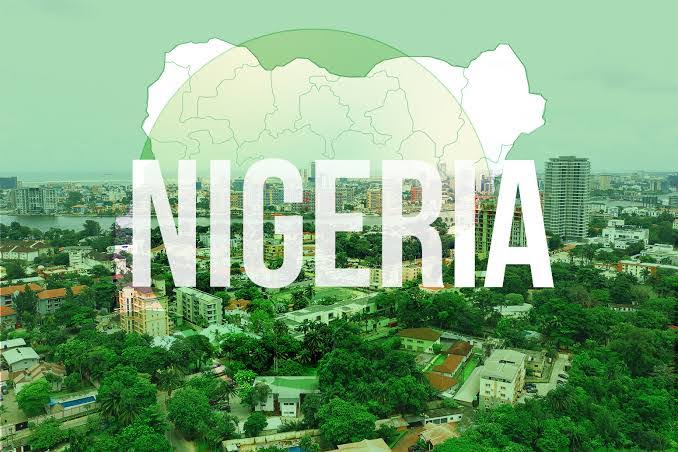
Nigeria, often referred to as the “Giant of Africa,” is a land of immense potential. Rich in natural resources, cultural diversity, and human capital, it holds the promise of greatness. Yet, beneath this potential lies a harsh reality—deep and persistent inequality.
From the urban centers of Lagos and Abuja to remote rural communities in the North-East, inequality in Nigeria wears many faces. It shows in the stark contrast between the wealthy elite and millions living below the poverty line. It is visible in access to quality education, healthcare, infrastructure, and even political representation.
Marginalized groups—such as women, ethnic minorities, persons with disabilities, internally displaced persons, and the rural poor—face structural barriers that limit their opportunities. In many cases, these groups are excluded not only from economic benefits but also from basic human rights and social participation.
However, amidst these challenges, Nigeria has witnessed rare examples of hope and possibility. One such example is Dr. Goodluck Ebele Jonathan, who rose from a humble background in the marginalized Niger Delta region to become the President of Nigeria. His journey from Otuoke, a small village in Bayelsa State, to the highest office in the country stands as a symbol of what is possible when barriers are broken.
Another notable example is Chief Olusegun Obasanjo, who rose from a modest farming background in Ogun State and, despite coming from a region that once faced political sidelining, served twice as Nigeria’s Head of State—first as a military ruler and later as a democratically elected president.
These exceptions, while inspiring, do not erase the larger reality that most marginalized Nigerians remain excluded from national growth. For every Jonathan or Obasanjo, millions are still waiting for access to quality education, fair political representation, or economic opportunity.
The consequences of this inequality are severe. It fuels insecurity, breeds resentment, and weakens national unity. Young people without opportunities become vulnerable to crime and extremist ideologies. Regions neglected by development often become flashpoints for conflict.
Sure! Here’s a sentence summarizing the outcome:
When minority groups are excluded from enjoying the benefits of democracy, it often leads to political unrest, deepened poverty, loss of trust in government, and threats to national unity.
Addressing this inequality requires more than policies on paper. It demands intentional investment in inclusive education, healthcare, and social welfare. It calls for political reforms that ensure fair representation and empower marginalized voices. Most importantly, it requires a shift in mindset from indifference to collective responsibility.
Nigeria cannot thrive while large segments of its population remain excluded. Building a just, peaceful, and prosperous nation starts with ensuring that every Nigerian, regardless of background or status, has a fair chance to succeed.
To build a stable and prosperous Nigeria, it is essential to ensure that all minority groups fully participate in and benefit from the democratic process. Only then can the country achieve true unity and progress.