Africa
VDM’s Immoral Boast: A Cautionary Tale Before Nigeria Faces Its Own “Ebanga Moment”, by Isaac Asabor

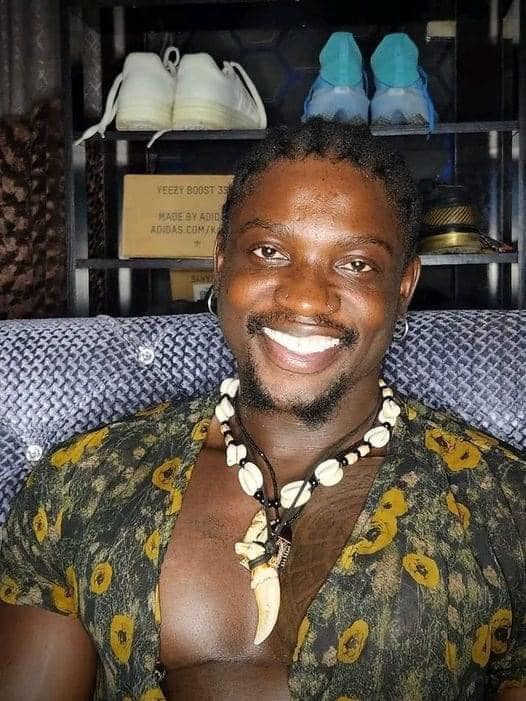
In an age where social media amplifies voices and projects lifestyles to a global audience, it is disheartening when influential figures use its space to glorify moral decay. Given the foregoing backdrop, it is worrisome that Vincent Martins Otse, popularly known as VeryDarkMan (VDM), recently caused a stir by revealing in a video shared on Instagram that he had slept with 30 women this year alone. While he expressed concern over his habits and hinted at a desire to change, the manner and tone of his confession underscore a deeper societal problem: the normalization of immorality.
VDM, a social critic, did not merely stop at acknowledging his actions but indulged in what appeared to be a boastful cataloging of his escapades. From slim to plus-sized women, single mothers to various other “types,” VDM seemed intent on painting himself as indiscriminate and unrestrained in his indulgences. Not only is such a narrative is far from harmless; it represents a worrying trend of trivializing deeply personal failings and broadcasting them as entertainment or warped achievements.
VDM’s statements are not just inapt; they are dangerous. At a time when society is grappling with eroding moral standards, his confessions, delivered with a mix of bravado and feigned self-reflection—send the wrong message to his followers, particularly impressionable youth. As a social critic, VDM has positioned himself as a figure of influence, one whose actions and words carry weight. Publicly sharing such information undermines the very role he claims to embody.
While VDM briefly alluded to the idea of men settling down with one woman and taking care of her needs, this fleeting suggestion was overshadowed by his detailed recounting of indiscretions. His narrative lacked the genuine remorse or actionable resolve necessary to inspire change in himself or his audience. Instead, it seemed to perpetuate a culture where indulgence in vices is seen as normal, even admirable.
Without a doubt, VDM’s actions call to mind the infamous scandal surrounding Balthazar Ebanga in Equatorial Guinea. The release of over 400 compromising tapes involving Ebanga became a cautionary tale of how unchecked promiscuity can lead to personal disgrace and societal outrage. The tapes, which exposed years of recklessness and moral bankruptcy, sent shockwaves across the continent and beyond, painting a picture of a man consumed by his vices.
In fact, Nigeria does not need its own “Ebanga moment.” Such scandals erode public trust, damage cultural integrity, and create a precedent that emboldens others to engage in similar behaviors without fear of accountability. Just as Ebanga’s tapes became symbolic of a deeper malaise within his society, VDM’s remarks could set a precedent for the normalization of moral failure in Nigeria if left unchallenged.
The lesson from the Ebanga scandal is clear: public figures must exercise restraint and take responsibility for their actions. By glamorizing or trivializing indiscretions, they not only damage their reputations but also contribute to the erosion of societal values. Nigeria, already battling issues of corruption, poverty, and political instability, cannot afford to add worsened moral decadence to its list of challenges.
Against the foregoing backdrop, it is not an exaggeration to opine that social media has blurred the lines between personal and public life. For public figures like VDM, the ability to reach millions comes with a responsibility to lead by example. While it is not uncommon for individuals to struggle with personal challenges, broadcasting those struggles without demonstrating a clear path to redemption does more harm than good.
VDM’s advice to men, urging them to settle down and care for one woman, might have been laudable if it were delivered with sincerity and backed by personal action. However, his narrative instead highlighted a disconnect between his words and his lifestyle, making it difficult for his audience to take his advice seriously.
Public figures must recognize that their platforms are not just vehicles for self-expression but tools for shaping public opinion and behavior. By sharing his story in the way he did, VDM missed an opportunity to inspire meaningful change and instead contributed to the growing trend of glorifying immorality for attention.
The rise of individuals like VDM reflects a broader societal failure to uphold and enforce moral standards. As a community, Nigerians must reject the normalization of behaviors that threaten to undermine the nation’s cultural and moral fabric. This rejection begins with holding public figures accountable for their words and actions.
Parents, educators, religious leaders, and policymakers all have roles to play in countering the influence of individuals who promote harmful narratives. By emphasizing the importance of discipline, responsibility, and respect for oneself and others, society can begin to counteract the negative impact of such figures.
The parallels between VDM’s remarks and the Ebanga tapes are stark. Both highlight the dangers of living without restraint and the consequences of treating serious moral failings as trivial matters. However, while Ebanga’s scandal served as a wake-up call for his society, Nigeria still has the chance to address this issue before it spirals out of control.
Nigeria’s history is rich with examples of individuals who have demonstrated integrity and moral leadership. These are the figures who should be celebrated and emulated, not those who flaunt their vices for public consumption. The country’s future depends on the values it chooses to uphold today.
VDM’s remarks are a symptom of a larger societal issue that must be addressed with urgency. His casual recounting of immoral escapades reflects a troubling trend of moral decay that threatens to erode Nigeria’s cultural values. By drawing lessons from the Ebanga scandal, Nigerians can recognize the importance of holding public figures accountable and rejecting behaviors that undermine societal integrity.
As a nation, Nigeria must strive to build a society that prioritizes discipline, responsibility, and respect. Public figures like VDM must be reminded of the power and influence they wield and the responsibility that comes with it. The time to act is now, before Nigeria faces its own “Ebanga moment.”