National Issues
Weighing Wike’s Anyhow-Talk On Okinbaloye’s, And Other Journalists’ Safety -By Isaac Asabor

There is a dangerous habit in Nigeria’s political space: powerful figures speaking recklessly and brushing it off as “just talk.” But when that “talk” involves violence, especially directed at a journalist, it stops being harmless and starts becoming a real problem.
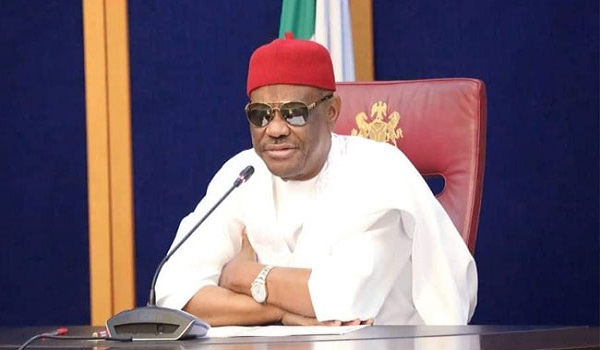
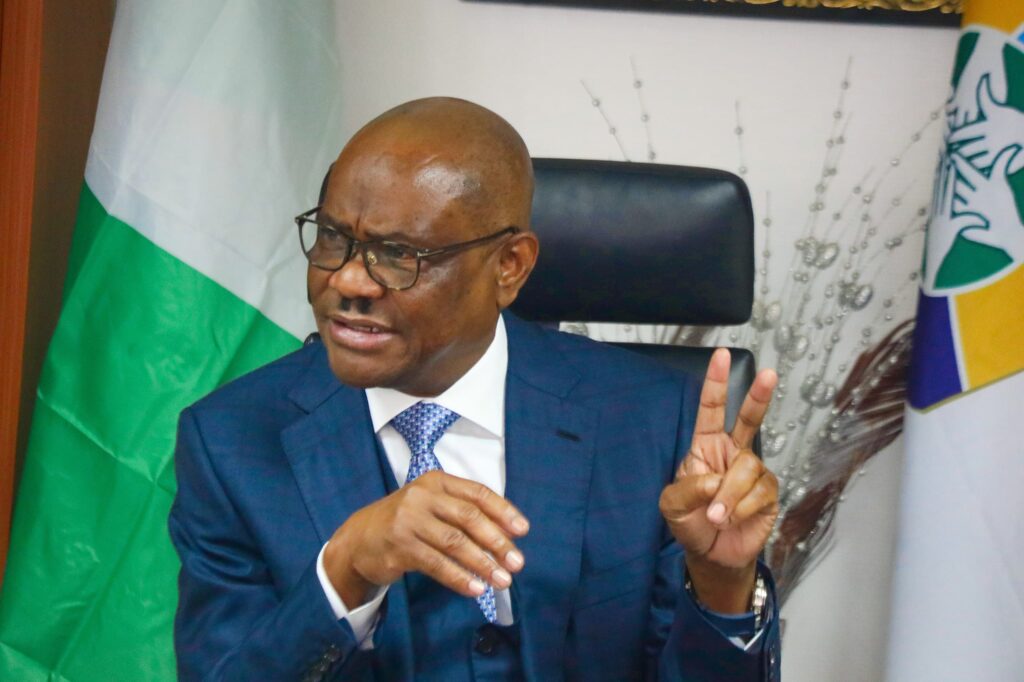
So, when Nyesom Wike said he “would have shot” Seun Okinbaloye over a television analysis, it was not just an offhand comment. It was a statement loaded with implications, about power, intolerance, and the shrinking space for free expression. Let us be clear: that kind of remark is not normal, and it should not be normalized.
The issue began with Okinbaloye doing what journalists are supposed to do, raising a concern. On “Politics Today”, he pointed out fears that Nigeria might be drifting toward a one-party system. Whether one agrees or not, that is a valid topic in any democracy. That kind of observation should trigger debate, not threats.
Instead of countering the argument with facts or perspective, Wike’s response introduced violence into the conversation. Even if he did not mean it literally, that does not make it harmless. Words from people in power do not float, they land and are often acted upon by political miscreants who see them as their idols. And sometimes, they land hard
At this juncture, it is expedient to opine on why this is not “Just Talk”, but a verbal bomb. Nigeria has a tendency to downplay statements like this. People laugh, shrug, and move on. But that is exactly how dangerous patterns take root.
In fact, when influential figures casually reference violence, they lower the bar for acceptable discourse, they embolden supporters who may take cues from them and they create a climate where intimidation feels permissible.
And in a country where journalists already face harassment and pressure, that kind of rhetoric adds fuel to the fire. This is not hypothetical. The risks are real and growing. Unfortunately, journalism is not a crime, and it is in that context that Okinbaloye did his job.
Journalists are not trained and expected to praise government officials. They question, analyze, and sometimes challenge uncomfortable realities. That is the whole point.
When those in power start reacting to analysis as if it is an attack, it signals something deeper, an intolerance for scrutiny. And once that mindset takes hold, it rarely stops at one journalist. Today it is Okinbaloye. Tomorrow it could be anyone.
Wike’s comment did not happen in isolation. It reflects a broader tension in Nigeria’s political environment, especially around the perceived weakening of opposition voices. That is exactly why conversations like the one Okinbaloye started matter. Democracies depend on open debate, not silence.
But here is the irony: by reacting the way he did, Wike may have reinforced the very concern he was dismissing. Because when criticism is met with hostility instead of engagement, people start to wonder, what is being protected?
The backlash against Wike’s statement is necessary. It shows that people are paying attention and unwilling to accept this kind of rhetoric as normal. But outrage alone is not enough. There must be accountability, whether that is a retraction, an apology, or a clear commitment from public officials to tone down this kind of language. Without that, it becomes a cycle: outrage, silence, repeat.
Given the foregoing condemnatory view, the real problem is that of a culture of recklessness. This goes beyond one man. Nigeria’s political space has developed a culture where aggressive, careless language is routine.
Too many leaders speak as if words have no consequences. But they do, especially when those words come from positions of authority. “Anyhow-talk” might sound trivial, but over time, it chips at respect for public office, the quality of political debate, the safety of those who hold power accountable, and once that erosion sets in, it is hard to reverse.
Leadership requires discipline, real leadership is not about reacting loudly, it is about responding wisely. Against the backdrop of the foregoing fact, it is not out of place to opine that Wike had options. He could have debunked the claim with evidence, offered a counter-analysis or engaged in a constructive debate.
Instead, the conversation shifted from Nigeria’s political future to his choice of words. That is not just a misstep, it is a failure of leadership
In fact, the bottom line as analyzed in this context is that this moment is bigger than a headline. It ia warning sign. If this kind of rhetoric continues unchecked, Journalists will feel less safe, public discourse will become more hostile and democratic accountability will weaken. And once fear enters the equation, truth is usually the first casualty.
Nigeria does not need louder politicians; it needs more disciplined ones. Because in the end, words do not just reflect leadership, they shape the environment everyone else must live and work in. And right now, that environment is getting a little too tense for comfort.
Nyesom Wike is widely known for a combative, no-filter political style marked by frequent verbal attacks and a tendency to talk down on others regardless of status. He routinely deploys sarcasm, ridicule, and blunt criticism against rivals, colleagues, and institutions, often turning political disagreements into personal takedowns. During crises within the People’s Democratic Party (PDP), he publicly derided party leaders and questioned their credibility, while also mocking opponents in the All-Progressives Congress (APC). His remarks have extended to traditional rulers and security agencies, where his tone has been widely viewed as dismissive and, at times, disrespectful. To supporters, this reflects boldness and candour; to critics, it underscores a pattern of abrasive, undiplomatic conduct that often undermines institutional respect.
Against the foregoing backdrop, many observers argue that Nyesom Wike should be called to order, as his recurring pattern of public disparagement risks eroding respect for democratic institutions and the culture of constructive engagement. While political firmness is expected, the consistent use of belittling rhetoric toward colleagues, traditional authorities, and state institutions, whether within the PDP, the APC, or beyond, undermines the civility required for effective governance. A more measured tone would not only elevate public discourse but also reinforce the dignity of the offices and institutions he engages with.