Economy
When Will The Economy Get Better? Nigerians Are Running Out Of Patience, by Isaac Asabor

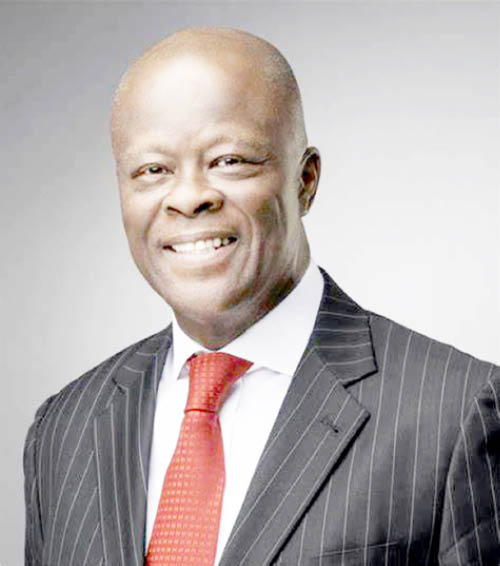
Nigeria’s economic future is a recurring topic in the national discourse. The country’s Minister of Finance and Coordinating Minister of the Economy, Mr. Wale Edun, has repeatedly assured Nigerians of brighter days ahead. From high-profile meetings at the International Monetary Fund (IMF) and World Bank in Washington, D.C., to sessions with the House of Representatives Joint Committee on National Planning, his optimism has been a constant refrain. However, these assurances leave one critical question unanswered: “When will the promises materialize into tangible economic relief for Nigerians?”
For millions of Nigerians, the economy is not an abstract concept measured in GDP growth percentages or fiscal performance metrics. It is the price of rice in the market, the cost of transportation, the availability of jobs, and the ability to pay school fees. While Mr. Edun speaks of cutting debt servicing costs and reducing budget deficits, Nigerians are grappling with a harsh reality: survival has become a daily struggle.
Mr. Edun’s optimism is grounded in some seemingly positive indicators. He notes that debt servicing has been reduced from nearly 100% of revenue to about 60% this year. Similarly, the budget deficit has been trimmed from 6.5% of GDP to 4.4%, with hopes of achieving 4% by 2024. Revenue performance has also shown signs of improvement, with a reported figure of ₦12.6 trillion by August 2024, falling just 3.6% short of the ₦13.1 trillion pro-rata target.
Additionally, Edun points to structural reforms such as market pricing and foreign exchange adjustments, which aim to make the economy more competitive. These measures, he asserts, are part of a broader strategy to reset the macroeconomic landscape, foster inclusive growth, and spur development. The administration has expressed confidence that these changes will pave the way for sustained economic improvement, with 2025 projected to be a year of significant progress.
For policymakers and analysts, these metrics and projections might signify progress. The Tinubu administration’s drive to achieve a revenue-to-GDP ratio of 23% and reduce reliance on borrowing could indeed transform Nigeria’s economic trajectory. However, the question remains: “How does this translate to relief for the average Nigerian?”
While the minister paints a picture of progress, the lived experiences of most Nigerians tell a different story. Inflation remains sky-high, eroding purchasing power and making basic goods unaffordable. The unemployment rate is staggering, and many businesses are barely surviving under the weight of high operational costs.
A recent survey in a Lagos market highlighted the frustration of ordinary Nigerians. A market woman lamented, “Shebi dem tell us say cassava, ewa, and agbado go cheap when we vote for them. Today, we no fit buy them for market.” Her words encapsulate the disillusionment felt by many who are waiting for the promised economic turnaround. For her and millions like her, promises of GDP growth are meaningless when they cannot afford essential goods.
The disconnect between government projections and the people’s reality is stark. Budget deficits and GDP growth percentages might make for impressive headlines, but they do little to address the plight of citizens who cannot afford three square meals a day. Transportation costs have soared, housing remains unaffordable for many, and healthcare services are out of reach for the most vulnerable. These are the issues that define the economy for most Nigerians, not fiscal projections or international investor confidence.
Assurances of a better economy “next year” have become an annual refrain. This pattern has bred skepticism among Nigerians, who have heard similar promises from successive administrations. The Tinubu-led government, like those before it, must recognize that the patience of the people is finite. If economic relief continues to elude the average citizen, the government risks eroding the trust it needs to implement its policies effectively.
Moreover, it is not enough to promise a better economy. The government must articulate clear, actionable plans that Nigerians can hold onto. What steps are being taken to address inflation? How will job creation be prioritized? What safeguards are in place to ensure that revenue increases translate into improved living standards?
While Nigerians have displayed remarkable resilience in the face of economic challenges, the growing sense of frustration is palpable. Recent reports indicate rising levels of poverty and food insecurity, with many households forced to make difficult choices to survive. These realities contrast sharply with the upbeat rhetoric of policymakers, further widening the gap between government assurances and public perception.
Mr. Edun’s rhetoric of optimism and growth must now be matched with action and results. As economic challenges deepen, Nigerians are becoming increasingly wary of political leaders who rely on lofty promises without concrete outcomes. The government’s credibility hinges on its ability to translate economic jargon into meaningful change for citizens.
Take the example of inflation, a critical issue for most Nigerians. Despite efforts to stabilize the economy, the prices of essential commodities remain prohibitively high. Food inflation, in particular, has wreaked havoc on household budgets. Bread, rice, and cooking oil have become luxury items for many, while protein sources like fish and meat are beyond the reach of the average family. Against this backdrop, assurances of a better economy ring hollow.
Another pressing concern is the lack of jobs. Unemployment continues to be a major challenge, particularly among the youth. While the government talks of fostering an enabling environment for businesses, the reality is that many young Nigerians are either unemployed or underemployed. Without targeted interventions to create jobs and support entrepreneurship, the promise of economic improvement will remain elusive.
For the Tinubu administration, the stakes are high. Turning optimism into tangible results requires more than lofty speeches and impressive fiscal jargon. It demands policies that directly impact the lives of ordinary Nigerians. Investments in agriculture, small businesses, and industrial development are critical. Subsidy removal savings must be transparently reinvested in infrastructure, healthcare, and education.
The government must also recognize the importance of addressing the human side of the economy. While macroeconomic indicators matter, they should not overshadow the microeconomic realities of citizens struggling to make ends meet. Practical measures to lower food prices, stabilize transportation costs, and improve access to basic services will have a far greater impact on public perception than any GDP growth statistic.
Additionally, communication is key. Nigerians need regular updates on the government’s economic plans and progress. Transparency in how public funds are utilized will go a long way in rebuilding trust. Citizens must feel that they are partners in the journey toward economic recovery, not mere spectators.
As we approach 2025, Nigerians are justified in demanding accountability from their leaders. The question remains: “When will the economy actually get better?” Until this question is answered with more than just projections and promises, the frustration and skepticism will persist.
The Tinubu administration, through Mr. Edun, must rise to the occasion. Nigerians are not asking for miracles; they are asking for policies that work, a government that listens, and a future that feels within reach. For now, the promises of a better tomorrow remain just that, promises.
It is time for the government to deliver. Nigerians are watching, waiting, and hoping that this time, the rhetoric of growth will give way to the reality of relief. Only then can the minister’s assurances of a brighter future hold true.