Global Issues
Why Does African Leadership Lack Coordination on Reparations -By Kestér Kenn Klomegâh
The current moment, with Africa renegotiating relationships with Western powers, China, Russia, and Gulf states, is actually an opportunity for the diaspora. Diaspora Africans sitting inside Western governments, universities, and financial institutions carry real leverage. The question is whether that leverage gets used collectively or dissipates individually. Remittances already outpace foreign aid to many African countries. What’s needed now is moving beyond remittances to strategic investment, policy advocacy, and knowledge transfer, turning the diaspora from a financial lifeline into a genuine development partner.

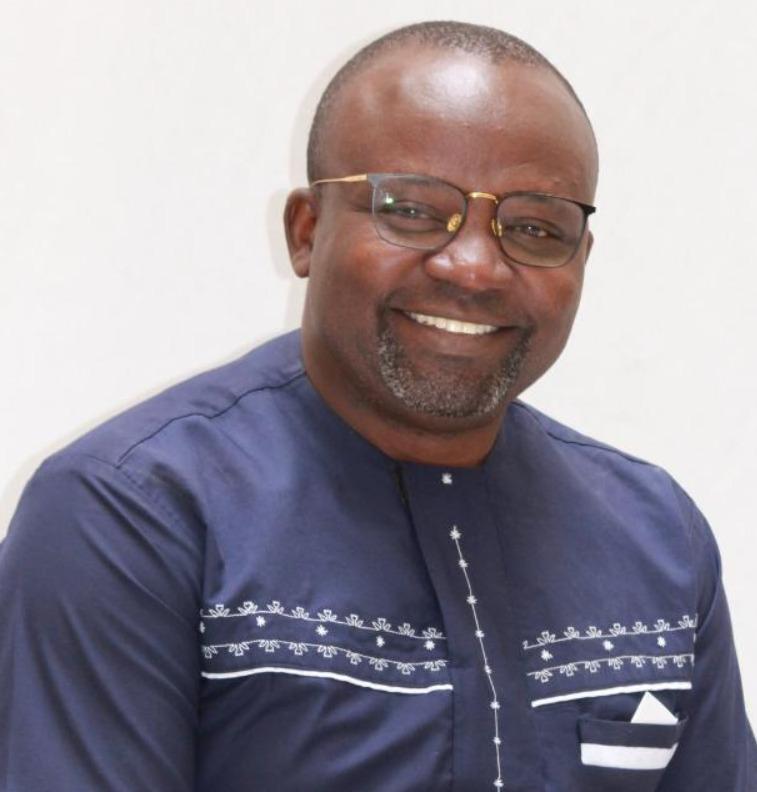
Professor Jude Osakwe—a Nigerian scholar at the Namibian University of Science and Technology (NUST) and Continental Chairman of the Nigerians in Diaspora Organisation Africa (NIDOAF)—has reiterated the absolute truth over Reparations for Africa, noting that African governments have consistently expressed only ’emotional solidarity’ over Reparations instead of tackling and addressing, with seriousness, this pertinent issue within the context of diplomacy.
Professor Osakwe strongly believes that despite the sharp political and cultural diversity across the continent, African leaders can still adopt a collective strategy in pursuit of advantageous aspirations for sovereignty. The concept of Pan-Africanism is noticeably fragmented while grassroot movements lack strategic coordination. Here are the interview excerpts:
How well do African people represent the continent on Reparations and Pan-Africanism?
Professor Jude Osakwe: Honestly, inadequately, but not without effort. Representation is fragmented. The loudest voices on reparations often come from the Caribbean and African-American communities, while continental Africans, remain largely sidelined in that global conversation. Pan-Africanism as an ideology is more spoken about than practiced. There is emotional solidarity, but very little structural unity. The honest reality is that African governments have not made reparations a serious diplomatic priority, and grassroots movements lack the coordination to pressure them to do so.
Does the diaspora media landscape affect how these topics are viewed in a Western light?
Professor Osakwe: Absolutely. Western media frames Pan-Africanism as either nostalgic romanticism or a political threat, and frames reparations as a Black American issue, effectively erasing the continental African dimension entirely. As an African in the diaspora, you are constantly navigating between your own lived framework and a media environment that either misrepresents or ignores your perspective. This creates a psychological burden, you must actively resist the dominant narrative just to maintain an accurate self-understanding. African diaspora media exists, but it remains underfunded and underreached compared to mainstream outlets, which means the Western framing dominates public discourse by default.
Measures for upholding African identity in the diaspora, and diaspora contributions amid geopolitical shifts?
Professor Osakwe: Key measures:
• Intentional cultural transmission, language, history, and values must be actively taught, not assumed
• Building diaspora institutions that are African-led, not just African-themed
• Political engagement both in host countries and in countries of origin
• Economic networking through platforms like NIDO that connect diaspora professionals to continental development
On geopolitical contributions: The current moment, with Africa renegotiating relationships with Western powers, China, Russia, and Gulf states, is actually an opportunity for the diaspora. Diaspora Africans sitting inside Western governments, universities, and financial institutions carry real leverage. The question is whether that leverage gets used collectively or dissipates individually. Remittances already outpace foreign aid to many African countries. What’s needed now is moving beyond remittances to strategic investment, policy advocacy, and knowledge transfer, turning the diaspora from a financial lifeline into a genuine development partner.

Continue Reading