Economy
World Food Day: Is Nigeria Worth Celebrating This Day Amidst Inflation?, By Mukhtar Garba Kobi
The skyrocketing prices of fertilizers, simple farming tools and herbicides that eliminate unwanted grasses are no longer affordable by small scale farmers. Moreover, most of the marketers selling them are ordinary citizens, some of them buy them in bulk and hide in their warehouses just waiting for the prices to increase before bringing them out to sell.

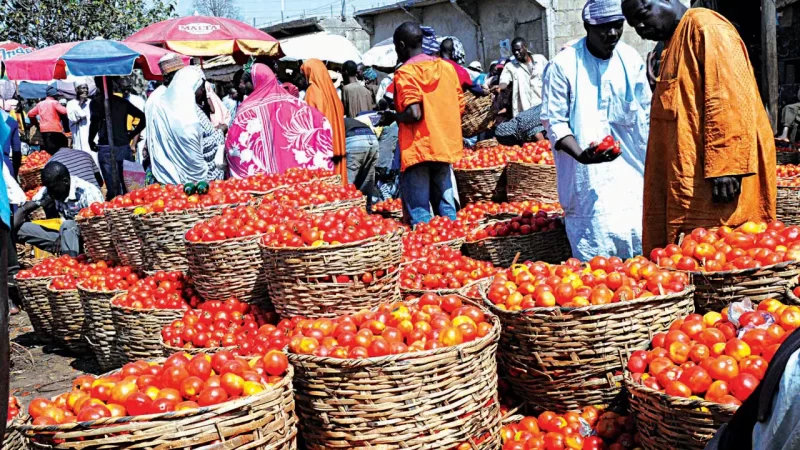
Food as we all know is one of the basic necessities of life, adequacy of food is the reason why the rich and the poor sleep in comfort; therefore without food all would definitely perished. Before one could get raw food commodities, farmers residing in different geographical areas must till the soil, make ridges, plant the seeds, apply fertilizers, dig-out unwanted grasses, harvest the crops, thrash and put them in sacks. Sadly, all these efforts go in vain as farmers are no longer enjoying the fruits of their hardworks due to the less priority given to agriculture by governments. Nigeria in the past relied heavily on agriculture as major source of its income, the discovery of crude oil in 1956 made government focused more on it while directing less to the agricultural sector.
Regrettably, our grandparents during their times used local tools and devices in cultivating crops, those devices and tools were slow when compared to the present sophisticated ones. Nigeria as ‘Africa’s Giant’ had supported so many countries in the field of agriculture but nowadays ordinary Nigerians could not afford to eat three square meals in a day. Most of us were informed that Nigeria gave palm tree seeds to Dubai in the past, now Dubai is amongst the highest producers of palm oil globally while we are dwindling by producing to satisfy us not to talk more of exporting abroad. Developed countries always direct more funds and resources necessary to agriculture in their budgets, that’s the reason they are food sufficient and secured. Thailand currently is the world biggest producer of rice, it is because their government invested hugely in it and citizens are benefiting from the investments.
Insecurity is one of the major factors that made numerous farmers loose interest in farming, their enthusiasms fade on daily basis as things get worse. In 2020, over 47 farmers were slaughtered in Zabarmari of Borno State by insurgents, they are as innocent as new born babies and they offended nobody but were killed for reason yet to be known. Many farmers are kidnapped in the axis of southern Kaduna, Katsina, Zamfara and Sokoto States on their ways to farms, others while doing farm works and several others that failed to follow kidnappers are killed instantly. Hence, no one would be alive if there is no food to eat, there would be no energy to work in government offices, private companies or run personal businesses with empty stomaches. Importance of food to the body is like that of a fuel to an engine, without it nothing moves.
The skyrocketing prices of fertilizers, simple farming tools and herbicides that eliminate unwanted grasses are no longer affordable by small scale farmers. Moreover, most of the marketers selling them are ordinary citizens, some of them buy them in bulk and hide in their warehouses just waiting for the prices to increase before bringing them out to sell. Governments tried in establishing fertilizer companies in most States, the problem is that the government’s fertilizers are sold to commercial scale farmers while farmers in villages are left with no choice than to buy at high prices or use animals’ dungs. Lack of regular supervision to youth that were given farm implements by government is what deteriorate the situation, they often time sell them and use the money for things that add no value to their lives.
In summary, security should be provided in nooks and crannies, no farmers could risk his or her life by going to farm to get kidnapped or killed; maximum security would make farmers cultivate crops without fear of bandits, insurgents or criminals. Also, governments should purchase expensive farming implements like tractors, harvesting machines and subsidize them for farmers in towns and those in inaccessible areas; doing that would make them boost their farming activities thereby curbing food insecurity. Frequent supervision by teams of honest officials from ministry of agriculture and other agencies is key in making youth use all farming items received such as fertilizers, seeds and money to be used judiciously; those that are found diverting them should be punished to serve as lesson. Let us all revive agriculture to save ourselves from hunger and abject poverty, may God Bless Nigeria.
Mukhtar Kobi writes from Bauchi and can be reached via garbakobim@gmail.com