Forgotten Dairies
Young Entrepreneurs vs New Taxes -By Abdulhaq Ibn Luqman
Nigeria’s new tax rules are a step toward economic reform, but their success will ultimately be judged by their impact on the country’s most dynamic economic group: young entrepreneurs. If implemented with clarity, fairness, and support, taxation can fuel innovation and sustainable growth. If not, it risks silencing Nigeria’s next generation of innovators and entrepreneurs.

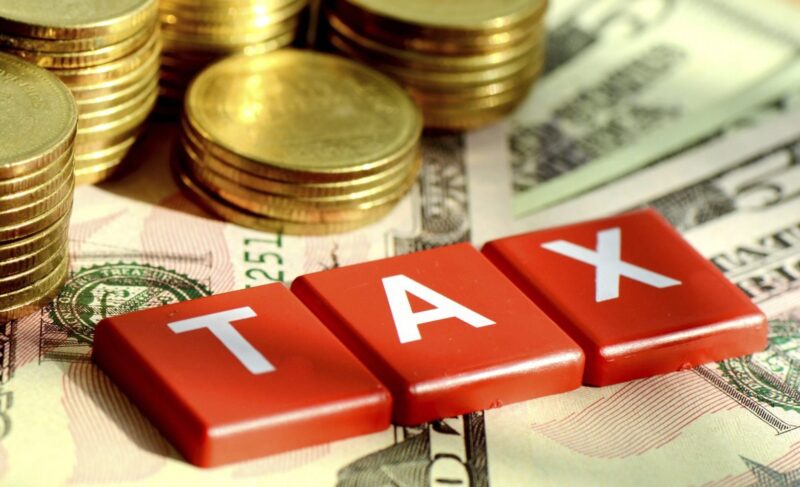
Do Nigeria’s new tax rules support innovation or place extra pressure on young business owners?
Nigeria’s new tax rules have sparked debate across economic and policy circles. While the government frames these reforms as necessary for revenue growth and fiscal stability, their real impact is being felt most sharply at the grassroots level — among young entrepreneurs striving to build and sustain businesses in an already challenging environment. For many, taxation is no longer just a policy issue; it is a daily reality shaping decisions about growth, survival, and whether to remain in the formal economy at all.
As youth-led startups emerge in response to unemployment and limited opportunities, one question stands out: are Nigeria’s new tax rules empowering young entrepreneurs to thrive, or placing additional pressure on fragile enterprises still finding their footing?
The Reality of Youth Entrepreneurship
Young Nigerians are turning to entrepreneurship not only out of ambition but necessity. With formal employment scarce, small businesses and startups have become vital sources of income and innovation. From tech services and creative industries to retail and agriculture, youth-led enterprises are bridging gaps in the economy.
According to a 2025 report by the Small and Medium Enterprises Development Agency of Nigeria (SMEDAN), over 60% of Nigerian startups fail within the first two years, often due to financial pressures, including tax compliance and operational costs. This reality underscores the delicate balance young entrepreneurs must navigate under new tax policies.
Yet, these businesses often operate with minimal capital, irregular cash flow, and limited access to credit. For many, the early stages of business are less about expansion and more about survival.
Understanding the New Tax Rules
The government’s revised tax framework aims to widen the tax net, improve compliance, and increase public revenue. In principle, these goals are essential for national development.
For young entrepreneurs, however, the challenge lies not in taxation itself, but in implementation. Multiple obligations, unclear guidelines, and strict enforcement can create confusion and fear. For startups still finding their market, even modest tax demands can feel overwhelming.
Burden or Opportunity?
Supporters argue that formalization brings long-term benefits — access to government support, credibility, and growth opportunities. Proper taxation also ensures fairness across all businesses.
Critics, however, warn that without targeted relief and education, young entrepreneurs may retreat into the informal sector. When compliance feels punitive rather than supportive, innovation suffers, and survival takes precedence over growth.
What Young Entrepreneurs Need
To turn tax rules into a growth tool, policies must include:
• Clear and accessible tax education for startups
• Incentives or exemptions for early-stage businesses
• Fair enforcement practices
• Transparency in revenue usage, building trust and accountability
With these measures, taxation can strengthen — not stifle — youth-led businesses.
The Road Ahead
Nigeria’s new tax rules are a step toward economic reform, but their success will ultimately be judged by their impact on the country’s most dynamic economic group: young entrepreneurs. If implemented with clarity, fairness, and support, taxation can fuel innovation and sustainable growth. If not, it risks silencing Nigeria’s next generation of innovators and entrepreneurs.
The choice is clear: support young entrepreneurs through inclusive tax policies, or risk undermining the very engine of Nigeria’s future economy.