National Issues
A Decade of Silence: How Nigeria’s Police Force Left Approximately 1,850 Graduate Officers in a Prolonged Promotion Process -By Daniel Nduka Okonkwo
The 2015 upgrading exercise remains, based on available information, an example of a process that has yet to reach a clearly communicated conclusion. For the officers involved, it represents a prolonged period of uncertainty. For the institution, it presents an opportunity to clarify records, communicate outcomes, and reinforce confidence in internal systems.

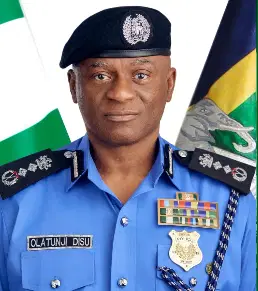
Tonight, while the nation sleeps, heroes in uniform stand guard, our police officers, the living shield between chaos and safety. Their courage is not a favour but a duty fulfilled with sacrifice. Ensuring that such service is matched with fair and transparent career progression remains essential to institutional integrity and morale.
A duly initiated upgrading exercise in 2015 raised the expectations of nearly two thousand educated police officers. Nearly a decade later, according to available accounts and officer testimonies, the process remains unresolved, even as their peers have advanced and reform discussions continue within the sector.
In June 2015, the Nigeria Police Force issued an official wireless signal to officers across commands, inviting graduate Inspectors and rank and file personnel who had acquired university degrees or Higher National Diplomas to participate in an upgrading exercise. The understanding at the time was that successful candidates would be considered for elevation to the rank of Assistant Superintendent of Police II, subject to completion of all required stages.
Several years later, many of the officers who participated indicate that the process has not been formally concluded or communicated. Approximately 1,850 officers are reported to have sat for aptitude tests, undergone multiple screening stages, and been shortlisted in line with the Federal Character principle. However, based on petitions and interviews, many state they have not received formal communication regarding the final outcome of the exercise.
In the intervening period, direct entry recruitment of civilian graduates into the Cadet ASP cadre has continued, with such entrants progressing through the ranks. The officers affected by the 2015 process remain largely within the inspectorate cadre. This report, based on officer accounts, publicly available records, and media reports, examines how a formally initiated process may have remained inconclusive, and what its resolution could mean for institutional confidence.
The 2015 upgrading exercise appears consistent with earlier practices within the Nigeria Police Force, where serving officers who acquired higher educational qualifications were considered for advancement into the officer cadre. Records associated with the Police Service Commission indicate that such pathways have existed over time, contributing to internal capacity development. Many senior officers are understood to have progressed through similar systems, making the 2015 initiative widely interpreted as part of this broader institutional pattern.
In June 2015, Force Headquarters reportedly issued Signal No. CB/7510/DTD/FHQ/ABJ/VOL.7/11 inviting eligible officers to participate in screening and aptitude testing. The exercise was conducted across commands in collaboration with the Police Service Commission. Following the process, approximately fifty candidates per state and the Federal Capital Territory were shortlisted, bringing the total to about 1,850 officers, in alignment with the Federal Character principle.
A subsequent signal invited shortlisted candidates to a further screening exercise held in December 2015 at Force Headquarters, Abuja. Participants complied and were instructed to return to their commands pending further communication. According to multiple accounts, that communication has yet to be formally issued.
Media reports, including coverage by Leadership Newspaper in January 2016, indicated that the Senate Committee on Police Affairs had acknowledged receipt of candidate lists from the then Inspector General of Police, Solomon Arase. The Committee reportedly expressed interest in ensuring fairness in the process. However, subsequent publicly documented updates on the outcome remain limited.
While the upgrading process remained pending, the Nigeria Police Force continued recruitment of civilian graduates into the Cadet ASP cadre. Those recruited through this route have since progressed through the ranks. Meanwhile, officers from the 2015 upgrading process indicate that their status has remained unchanged.
Under provisions of the former Police Act, external recruitment into the ASP cadre was permissible, particularly where internal candidates were not available. Some of the affected officers argue that, since an internal process had already identified qualified candidates, the absence of closure or communication raises administrative concerns. This presents an important question of process, whether a formally initiated and publicly referenced exercise can remain indefinitely inconclusive without formal clarification.
Many of the officers involved are long serving personnel with academic qualifications in relevant fields such as Law, Criminology, Sociology, and related disciplines. Their situation highlights broader concerns about career progression frameworks, internal morale, and administrative transparency within large institutions.
The 2015 upgrading exercise remains, based on available information, an example of a process that has yet to reach a clearly communicated conclusion. For the officers involved, it represents a prolonged period of uncertainty. For the institution, it presents an opportunity to clarify records, communicate outcomes, and reinforce confidence in internal systems.
The affected officers continue to seek official clarification regarding the status of the 2015 upgrading exercise. Timely communication from the appropriate authorities, including the Nigeria Police Force and the Police Service Commission, would help address longstanding concerns and provide direction for those impacted. As conversations around police reform continue in Nigeria, issues of transparency, fairness, and procedural closure remain central to public confidence.
Daniel Nduka Okonkwo is a Nigerian investigative journalist, publisher of Profiles International Human Rights Advocate, and policy analyst whose work focuses on governance, institutional accountability, and political power. He is also a human rights activist, human rights advocate, and human rights journalist. His reporting and analysis have appeared in Sahara Reporters, African Defence Forum, Daily Intel Newspapers, Opinion Nigeria, African Angle, and other international media platforms. He writes from Nigeria and can be reached at dan.okonkwo.73@gmail.com.